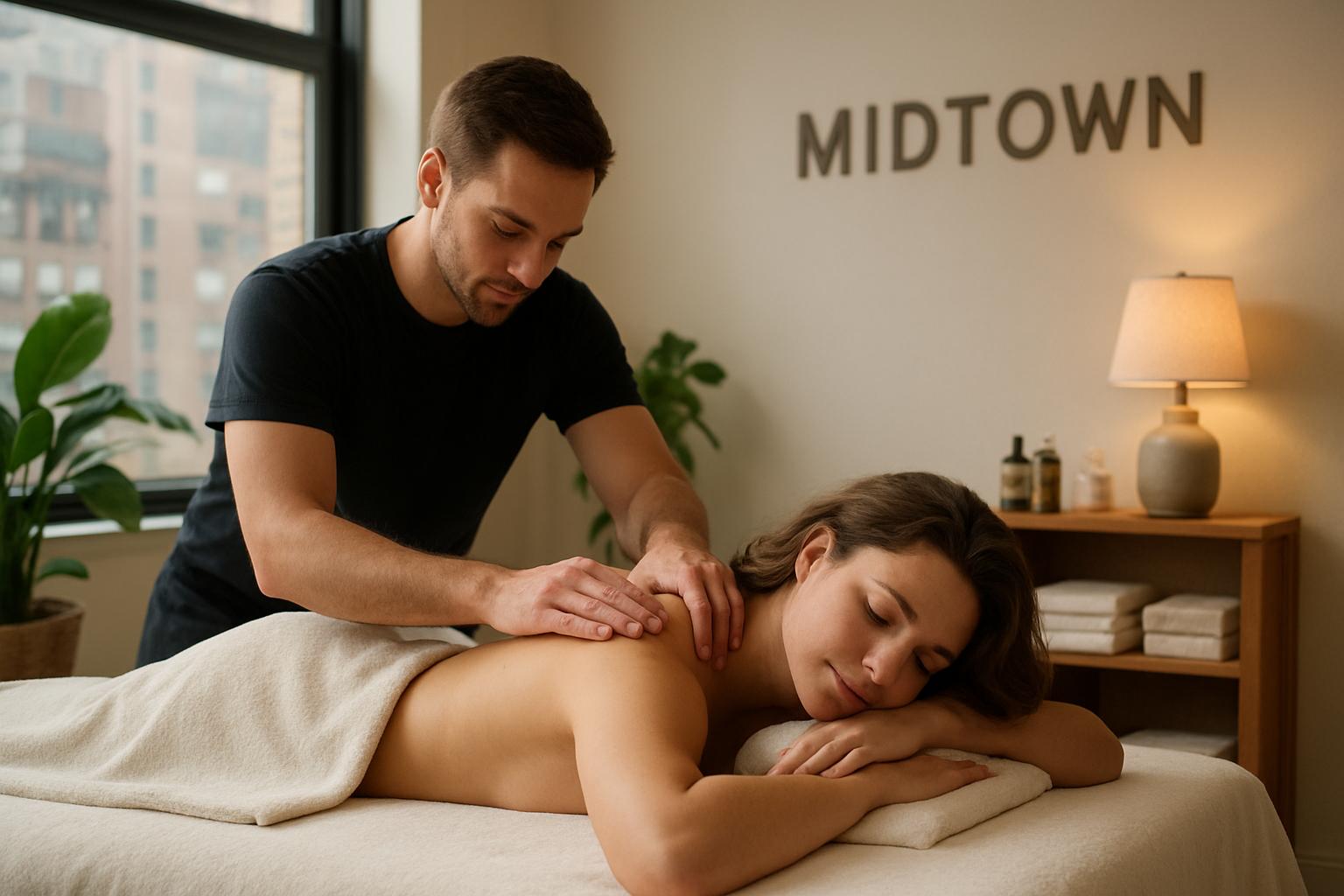

Why a Midtown massage is its own animal
Midtown is a machine of commerce and culture. The rhythm of this neighborhood — taxis, briefcases, tourists, and high-rise lobbies — sets different expectations for a massage than a quiet suburban studio or an upscale spa uptown. People who seek relief here are often short on time and heavy on intention: they want targeted results, efficient service, and a convenient location close to transit or the office. That combination shapes what providers offer and how you should plan your visit.
Because Midtown caters to busy schedules, you’ll find a variety of formats: express sessions designed for a lunch break, chair massages in office lobbies, and full-length therapeutic treatments for evenings or weekends. Atmosphere tends to range from clinically efficient to softly luxurious, so it’s worth deciding whether you prioritize speed and proximity over ambiance. The trade-offs are straightforward once you know what matters to you.
Common types of Midtown massages and when to pick each
Massage offerings in a dense commercial neighborhood tend to cover the essentials: Swedish, deep tissue, sports, prenatal, and chair massages. Each has a place depending on your goal — relaxation, pain relief, athletic recovery, or a quick reset during a hectic day. Below are the main varieties and practical scenarios where they shine.
Swedish massage: the reset button
Swedish massage is about smooth strokes, gentle kneading, and a rhythm that encourages circulation and relaxation. In Midtown, a 60-minute Swedish session is a popular choice after a long day of walking or standing in heels. It’s also an accessible introduction for first-time clients who want to unwind without intense pressure.
Expect a focus on full-body relaxation, though therapists will usually prioritize areas you mention — shoulders, lower back, or legs. It’s a safe, restorative option if you have no particular injuries and simply need a mental and physical breather.
Deep tissue and therapeutic massage: targeted relief
When desk posture or a commute leaves you with stubborn knots, deep tissue work is designed to get in the thicker layers of muscle. Midtown therapists offering therapeutic sessions often combine stretching, trigger-point release, and slower, firmer strokes to break up adhesions and improve mobility.
This style is best when you have a specific complaint — chronic neck pain, sciatica tendencies, or tightness from repetitive motions. Note that it can be intense. You should communicate openly about pressure during the session and plan for a bit of soreness afterward; a glass of water and light movement help recovery.
Chair massage and express sessions: grab-and-go relief
For a true Midtown hustle, chair massages and 15–30 minute express treatments are lifesavers. They require no undressing, focus on the upper back, neck, shoulders, and arms, and fit perfectly into a lunch hour or a break between meetings. Many offices arrange on-site chair massage to boost employee morale and productivity.
These sessions trade depth for convenience. If you’re carrying acute pain, they won’t replace a 60–90 minute therapeutic session, but they do reduce tension, restore circulation, and often leave you noticeably more comfortable for several hours.
Prenatal and specialty massages
Midtown clinics and spas also offer prenatal and other specialty treatments (lymphatic drainage, reflexology, craniosacral therapy). Prenatal massage focuses on safety, comfort, and relief from pregnancy-related aches. Therapists certified in prenatal care will adjust techniques, use bolsters, and avoid pressure points that are contraindicated during pregnancy.
Specialty modalities can feel more clinical and are typically booked with clear therapeutic goals. If you have a medical condition or recent surgery, check therapist credentials and consult a physician when in doubt.
How to choose the right Midtown massage provider
Choosing a massage in Midtown should be a quick, deliberate process. With so many options, narrow your search by three practical filters: purpose, timing, and credentials. A clear purpose (relaxation vs. rehabilitation) steers you to the right modality; timing dictates whether an express format will do; credentials ensure safety and quality.
Online reviews are a starting point, but read them critically. Look for recent feedback about punctuality, cleanliness, and therapist communication rather than overglowing or vague praise. If possible, call and ask about therapist training, cancellation policies, and whether they can focus on specific problem areas. The receptionist’s responses often reveal service standards.
- Decide your main goal: unwind, fix pain, or quick refresh.
- Pick a convenient time: before work, lunch break, or after hours.
- Confirm therapist qualifications and studio hygiene practices.
- Ask about customization: can they focus on shoulders, do they use heat or cupping?
What to expect during a Midtown massage visit
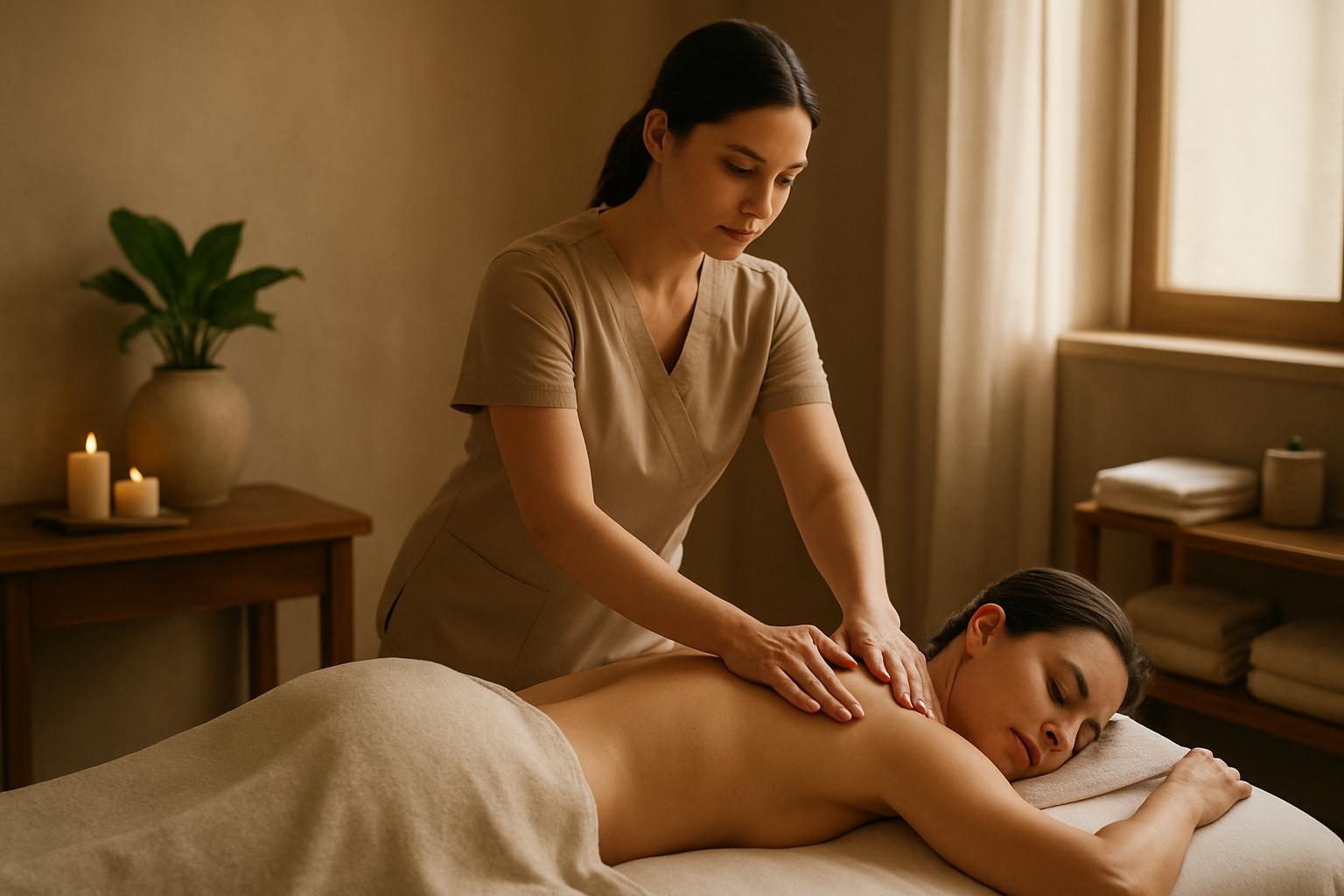
The experience itself is predictable and tidy in Midtown studios. You’ll check in, fill out a brief intake form about health and areas of concern, and be escorted to a treatment room. Most places offer a short consult with the therapist to set goals and agree on pressure level. If you’re doing a chair massage, the process is even shorter: sit, relax, and let the therapist work the tight spots.
Etiquette matters but is simple. Arrive five to ten minutes early, silence your phone, and communicate clearly about pressure and comfort. Tips are customary in many establishments; standard practice in the U.S. tends to be 15–20% of the service price, depending on satisfaction. If you’re unsure, check the studio’s policy ahead of time.
Aftercare often includes drinking water, avoiding strenuous activity for the rest of the day, and performing gentle stretches. Therapists may offer targeted advice — a few stretches, posture tips, or suggestions for follow-up treatments — that extend the benefits of your session.
Price, timing, and booking strategies
Midtown pricing can vary widely depending on location, studio style, and therapist experience. Typical ranges for a 60-minute session fall into broad bands: budget clinics and chain locations often charge less, while boutique or medically oriented clinics charge more. Express sessions and chair massages cost substantially less and are priced per 15 or 30 minutes.
Booking strategies help you get the most for your time and money. Midday appointments are often less expensive than evenings; first-time client discounts and package deals can lower per-session costs if you plan recurring visits. If you need focused therapeutic work, book a longer session so the therapist has time to assess and treat effectively.
| Service | Typical Duration | Price Range (approx.) | Best For |
|---|---|---|---|
| Chair/Express | 10–30 minutes | $20–$60 | Quick tension relief during workday |
| Swedish | 60–90 minutes | $80–$150 | Relaxation and circulation |
| Deep Tissue/Therapeutic | 60–90 minutes | $90–$170 | Chronic pain and tightness |
| Prenatal/Specialty | 60 minutes | $85–$160 | Pregnancy comfort and specific modalities |
Timing tips
If you only have a lunch hour, schedule a 30-minute session and leave a cushion for travel. For chronic problems, block a 75–90 minute window to allow assessment and focused work. If you want a brief refresh between meetings, look for chair massages at nearby wellness pop-ups or office programs.
Booking online is common, but a quick phone call can secure a specific therapist or clarify last-minute availability. Weekdays during midafternoon often have more openings; weekends fill up quickly, especially for longer, more restorative sessions.
Hidden perks and practical takeaways
There are small advantages to Midtown that add up. Many studios are open late, which suits after-work plans. Some offer complementary amenities — steam rooms, showers, or locker access — useful if you’re heading back to a meeting or catching a flight. Corporate partnerships mean discounted rates for companies that arrange regular on-site treatments.
Make each visit count with a few simple practices. Keep a short log of what areas were treated and how you felt afterward; patterns will emerge and guide your future sessions. Learn two or three desk-friendly stretches recommended by your therapist to maintain progress between visits. And be honest: if pressure hurts in a sharp way, say so. Therapists prefer real-time feedback over post-session complaints.
Simple stretches to do at your desk
Neck tilts, doorway chest openers, and seated spinal twists require no equipment and take two minutes each. Perform them a couple of times daily to reduce recurrence of tightness. These micro-breaks preserve the benefits of a massage and can prevent small problems from escalating into chronic issues.
In addition to stretches, hydrate well and move often. Even short walks help circulation and prevent stiffness. If you commute standing or sitting for long hours, consider alternating positions and using footrests to vary load on the lower back.
Examples: three realistic Midtown scenarios
Scenario one: a consultant who has back-to-back meetings. A 30-minute express or chair massage during lunch provides a reset, loosening the trapezius and upper back so the afternoon is more productive. Pair it with deep breathing to lower stress markers quickly.
Scenario two: a singer rehearsing in the neighborhood. A therapeutic 60–75 minute session focused on neck and shoulders, combined with vocal warm-ups and hydration, improves range and reduces tension-induced hoarseness. Follow-up stretches maintain the gains between rehearsals.
Scenario three: an expectant parent juggling appointments. A certified prenatal therapist offering a 60-minute session with bolsters supports comfort, reduces pelvic and lower back pressure, and can help improve sleep quality. Scheduling treatments at regular intervals through the pregnancy often yields the best results.
Final practical checklist before you go
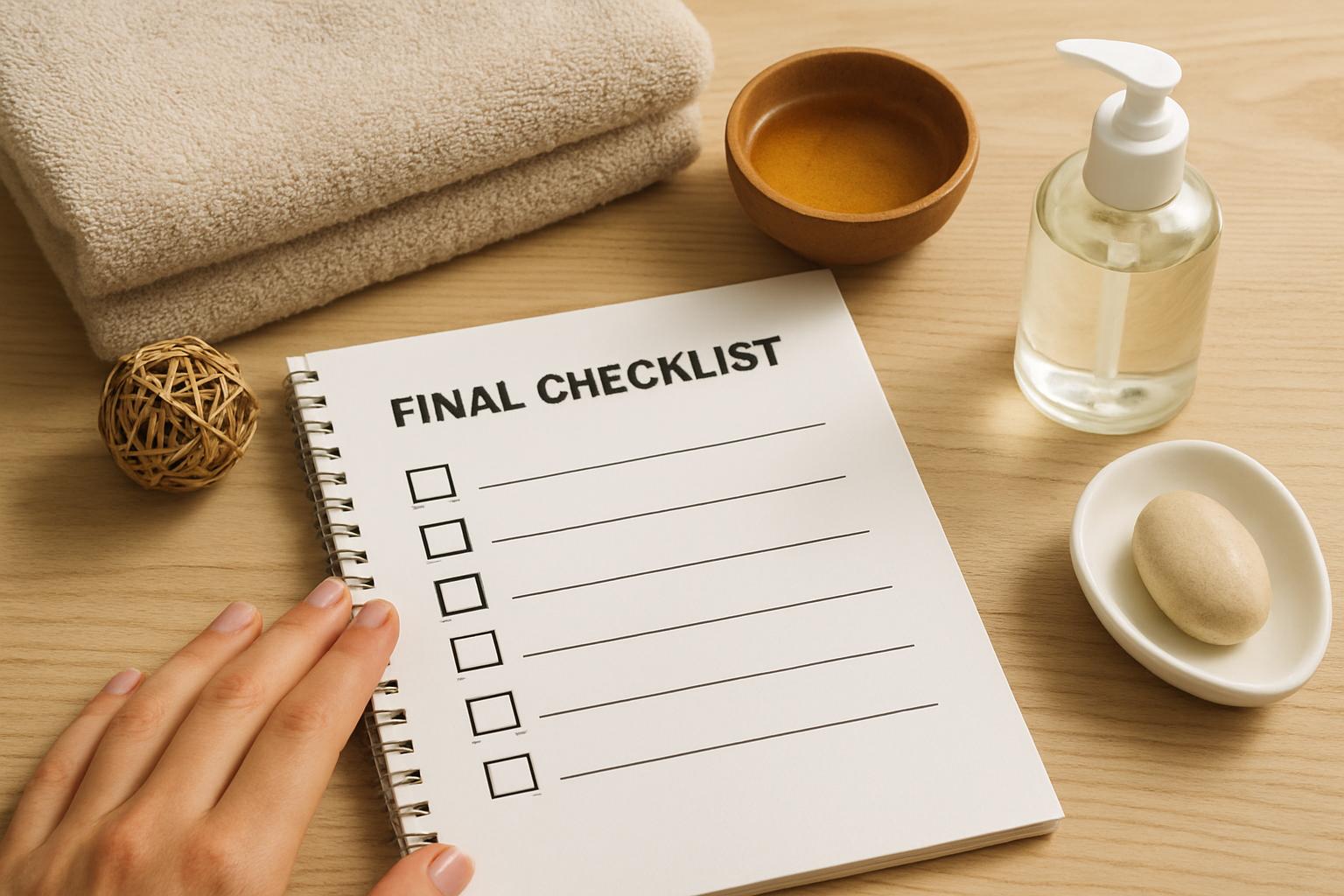
- Know your primary goal: relaxation, repair, or recharge.
- Check therapist credentials and read recent reviews.
- Book the right session length for your needs.
- Arrive early and communicate health history clearly.
- Follow therapist aftercare advice: water, rest, and gentle movement.
Conclusion
In Midtown, a good massage is less about luxury and more about timing, intention, and clear communication — pick the right modality, be honest about pressure and goals, and use short follow-up routines to lock in benefits; with a little planning you can turn a busy block into a small, reliable sanctuary of relief and focus.