

The phrase «Manhattan body rubs» can conjure a lot of images: boutique spa treatments in a glassy high-rise, late-night storefronts on a side street, or something more ambiguous between the two. In a dense, 24/7 city like New York, services that involve touch are diverse in intent, quality and legality. Understanding the differences, the risks and the practical steps to make a responsible choice matters whether you’re looking for relaxation after a long flight, a therapeutic session for muscle pain, or simply researching the local wellness economy.
This article walks through how the term is used in Manhattan, the legal and ethical landscape that surrounds hands-on services, tips for identifying legitimate therapists and businesses, and the social and economic dynamics that shape the industry. I’ll offer examples and a concise checklist so you can decide confidently and stay safe.
What people mean by «body rubs» in Manhattan
“Body rub” is a catch-all label. For some it’s shorthand for legitimate therapeutic massage — techniques practiced by trained therapists to reduce pain, improve circulation, and ease tension. For others it’s a euphemism for services that intentionally cross into sexual territory. The phrase’s ambiguity is part of the problem: it blurs lines between health care and illicit activity.
Understanding the distinction depends on looking at context: the venue, the advertised services, how staff communicate, and the presence (or absence) of credentials. Legitimate spas and clinical practices emphasize modalities—Swedish, deep tissue, sports, lymphatic drainage—list prices and durations, and maintain clear boundaries about the scope of the session. By contrast, operations that prioritize euphemistic language, avoid transparent pricing, or insist on cash-only payment often raise red flags.
Legal and regulatory landscape
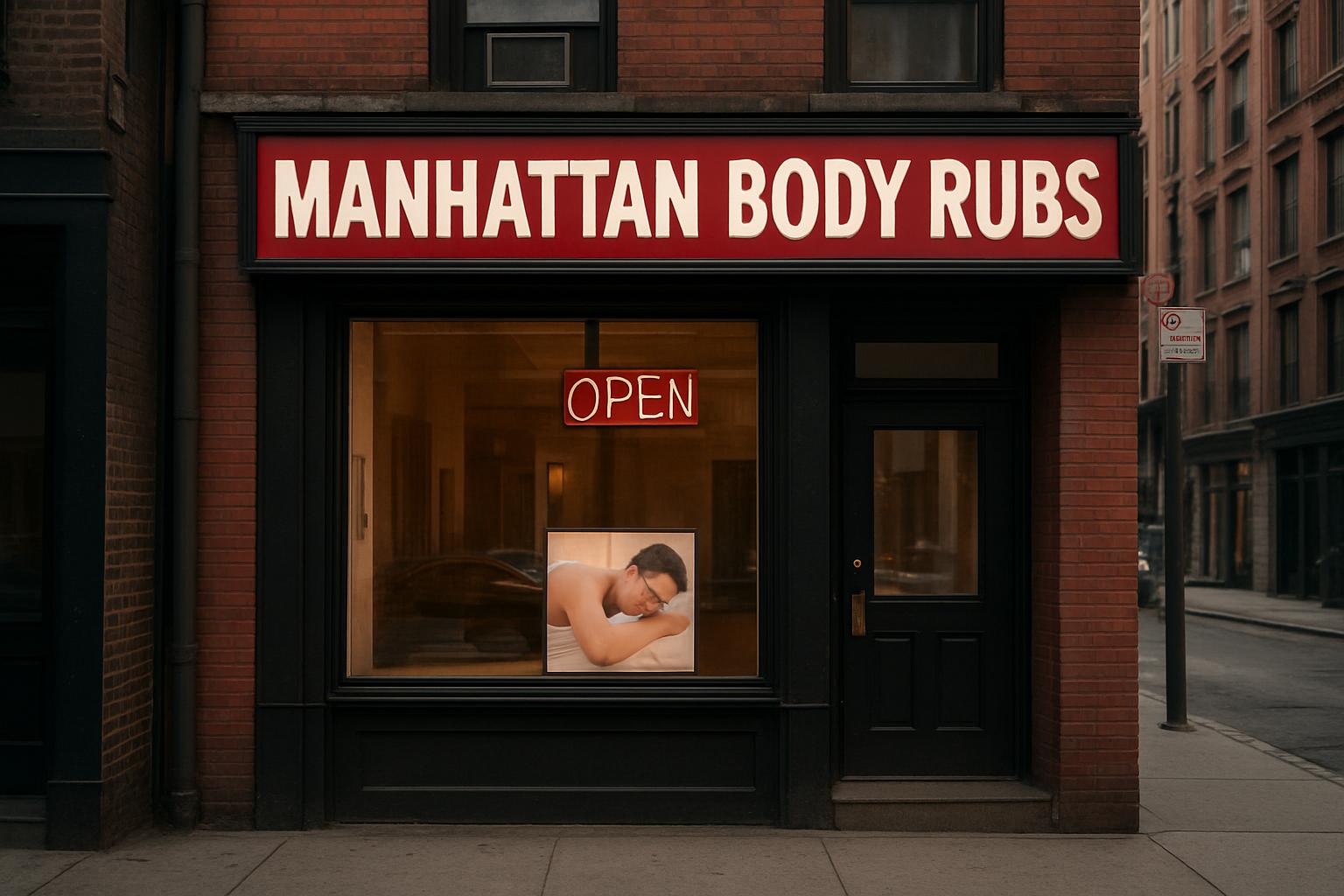
Touched services exist at the intersection of business regulation, public health, and criminal law. Municipal, state and federal authorities each play a role: they regulate business permits, enforce health and safety codes, and criminalize prostitution and trafficking. Enforcement priorities can vary over time and by neighborhood, and enforcement actions sometimes target businesses involved in broader public-safety concerns.
Regulation also affects worker protections. Licensed practitioners who trained in accredited programs are more likely to follow standardized hygiene practices, understand contraindications, and carry professional liability insurance. However, licensing and oversight are not uniform across every establishment; some operators do not comply with required permits, creating grey zones where both clients and workers are exposed to risk.
Public safety, trafficking concerns, and enforcement
One reason people pay attention to the legal status of these services is the real risk of exploitation and human trafficking. Law enforcement and advocacy groups use sweeps and investigations to identify criminal networks that exploit vulnerable workers. These efforts can rescue victims but can also push activity underground, making it harder for workers to access health services and legal protections.
For responsible consumers and policymakers, the balance is delicate: reduce demand for illicit sexual services, ensure labor protections, and increase access to legal, professional avenues for therapeutic touch. The most practical takeaway for individuals is awareness: if a place or an encounter feels coercive or unsafe, walk away and report concerns to local authorities or a support organization.
How to choose a legitimate practitioner in Manhattan
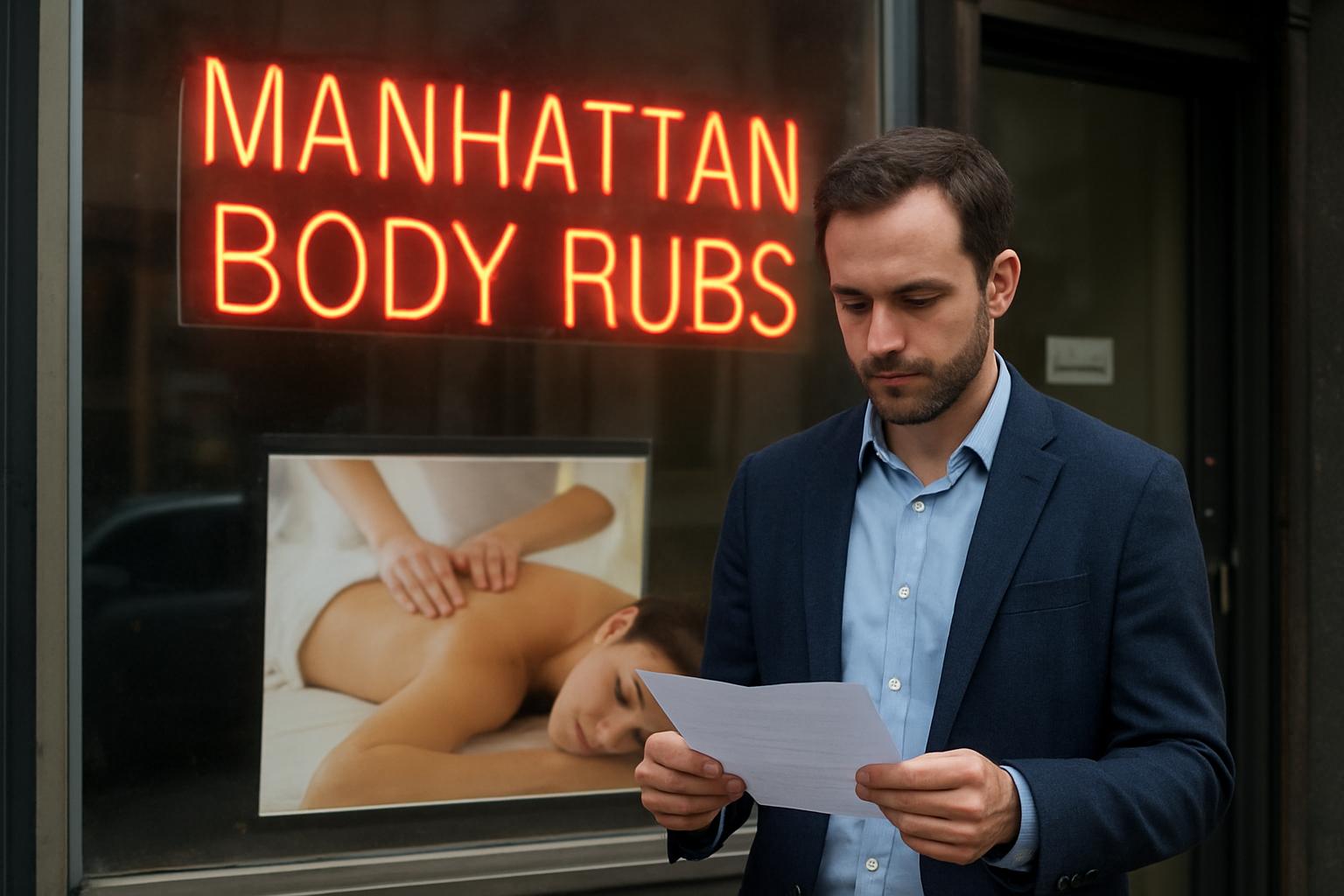
Choosing a professional starts with simple verification. Look for a visible name and license, a clear price list, a business website or listings with consistent reviews, and a setting that feels professional: clean common areas, transparent booking systems, and polite front-desk staff. Legitimate clinics often provide intake forms that ask about medical history and contraindications.
Phone or online inquiries are a quick way to judge professionalism. Ask about the therapist’s training, whether they are certified, what modalities they specialize in, and what the session will include. A professional will explain scope and boundaries without hesitancy and will be clear about policies for cancellations, gratuities and refunds.
- Verify credentials: ask about training and any certifications.
- Expect clarity: clear pricing, service descriptions, and intake forms.
- Choose transparency: avoid cash-only businesses with evasive answers.
- Look for referrals: medical or chiropractic referrals can point to therapeutic providers.
Practical red flags and positive signs
Red flags include vague service descriptions, requests for off-book payments, a strong suggestion of services outside the advertised scope, or a location with no signage and private, backdoor entrances. Positive signs include posted credentials, well-reviewed digital presence, professional décor, and a willingness to provide documentation or professional references.
Remember that a quiet or small business is not inherently suspicious; many competent therapists work from modest studios. The key is transparent communication and clear expectations before you commit to a session.
Safety, consent, and medical considerations
Touch is intimate, even when its intent is purely therapeutic. Clear consent and ongoing communication are essential. Before any session, a reputable therapist will ask about your comfort with pressure, areas to avoid, and recent medical history such as surgeries, blood-clot risks or pregnancy.
Certain medical conditions make some techniques unsafe. Deep tissue manipulation, for example, is contraindicated for people with specific vascular conditions or acute injuries. If you have chronic pain, autoimmune disease, or are taking blood thinners, consult your healthcare provider and inform your therapist. A professional will adapt treatment or recommend alternatives.
- Communicate boundaries before the session—what’s okay and what isn’t.
- Disclose relevant medical history; it helps the therapist tailor the session safely.
- Ask for adjustments during the massage if pressure is too strong or uncomfortable.
- Keep personal safety in mind—share your appointment details with a friend when meeting a new practitioner.
Hygiene, aftercare, and tipping etiquette
Hygiene expectations are straightforward: clean linens, sanitized equipment, handwashing between clients, and therapists who appear well-groomed and attentive. Aftercare varies by modality but often includes hydration, gentle stretching, and avoiding strenuous activity for a few hours.
Tipping culture in Manhattan often ranges from 15–25% for massage services, but check the business’s stated policy. If the therapist is an independent contractor working within a spa, tipping can be essential to their take-home pay. Use discretion and reward professionalism and care, not boundary-crossing behavior.
Economics and culture of the Manhattan massage scene
Manhattan’s market spans high-end luxury spas, medical clinics integrated with physiotherapy, neighborhood massage schools that operate student clinics, and small independent studios. Prices and expectations track this diversity: you can pay top dollar for a five-star spa experience or find an affordable student clinic that offers competent basic therapies.
Workers in the field range from licensed healthcare providers to recent immigrants seeking flexible work. That diversity brings cultural richness but also labor challenges: inconsistent wages, unreliable scheduling, and vulnerability to exploitation. Advocates argue for clearer labor standards, pathways to legal employment, and better access to health services for workers.
For consumers, supporting reputable local businesses means more than convenience: it influences the market toward safer, regulated practices that benefit both clients and practitioners.
Examples and illustrative scenarios
Consider two hypothetical but realistic scenarios. In the first, a customer books an online appointment at a well-reviewed clinic advertising sports massage for runners. The therapist sends an intake form, asks about the client’s training schedule and injury history, and adapts techniques to focus on the IT band and calves. The session ends with aftercare suggestions and a follow-up plan.
In the second scenario, a person responds to a late-night ad offering “full-service” body rubs. The booking is cash-only, the location is a backroom in a strip of shops, and the interaction quickly shifts toward sexual solicitation. In this case the consumer risks legal trouble and may unintentionally support exploitative practices. The contrast shows why verification and clear expectations matter.
| Aspect | What to look for | Why it matters |
|---|---|---|
| Credentials | Posted certifications, formal training | Indicates professional standards and safety |
| Transparency | Clear pricing, written consent, intake forms | Reduces ambiguity about services and boundaries |
| Payment method | Credit-card receipts, not cash-only | Allows accountability and traceability |
| Setting | Clean, professional environment | Reflects hygiene standards and legitimacy |
Helpful takeaways
In Manhattan, “body rubs” covers a spectrum—from regulated, therapeutic massage to illicit services that carry legal and safety risks. If your goal is health, recovery or stress relief, aim for credentialed practitioners who communicate clearly, maintain boundaries, and provide written information about the session.
When in doubt, use these quick rules: verify credentials, insist on transparency, avoid cash-only arrangements that resist documentation, and prioritize venues that promote worker safety and public accountability. Awareness and simple verification go a long way toward getting the service you expect without causing harm to yourself or others.
Conclusion
Manhattan’s landscape of body rubs reflects the city itself—varied, fast-moving and layered with legitimate care and hidden risks; making informed choices means distinguishing therapeutic touch from illicit activity, checking credentials and communication, and choosing providers who prioritize safety and professionalism so the experience restores rather than complicates your health and peace of mind.