
Why a «sexy» massage is about more than arousal
Calling a massage «sexy» often brings an image to mind: slow hands, dim lights, and the electric hush between two people. But the most memorable sessions are rarely just about physical arousal. They are about trust, attention, and the artful balance of comfort and intention. When those elements come together, touch becomes a language that can soothe stress, deepen intimacy, and make two people feel truly seen.
That’s why thinking of a sexy massage as a ritual—one with purpose and clear boundaries—changes everything. It requires emotional intelligence as much as technique: reading a partner’s breathing, noticing muscle tension, and adapting in real time. The result is both relaxing and charged, without ever needing to cross agreed-upon lines.
The physiology behind sensual touch
Human touch triggers measurable chemical and neural responses. Gentle stroking activates C-tactile afferents, neurons tuned to slow, warm touch; that both lowers stress hormones and boosts oxytocin, the social-bonding hormone. Meanwhile, rhythmic pressure can reduce muscle tension by dampening the sympathetic nervous system and increasing parasympathetic activity, which feels calming and intimate at once.
Understanding those basics helps you choose strokes that create relaxation and connection rather than just friction. Pace, pressure, and rhythm matter: too fast can feel anxious, too hard can be painful. The sweet spot is steady, warm, and attuned—simple adjustments that make a massage feel thoughtful and, yes, sexy.
Setting the scene: ambience, consent, and safety
Ambience is the frame around the experience. Light, sound, and scent work together to cue relaxation. Drape a soft sheet, set warm lighting or candles, and choose unobtrusive music that matches the desired tempo—instrumental tracks often work best. Keep the room warm so uncovered skin doesn’t chill.
Consent should be explicit, not assumed. Before you begin, ask what’s welcome and what’s off-limits. Talk about pressure preferences, any injuries, and whether privacy barriers should be maintained. A quick check-in at the start and one or two throughout the session respects boundaries and increases comfort.
- Essentials to have on hand: clean towels, unscented or mildly scented oil, pillow support, a water glass, and a blanket for aftercare.
- Remove distractions: silence phones, turn off notifications, and let household members know you need privacy for a specified time.
- Safety note: avoid massaging over open wounds, recent surgeries, or areas with active inflammation unless cleared by a healthcare professional.
Choosing oils, lotions, and what to avoid
Oils glide more smoothly than lotions and provide better temperature control, which supports longer strokes. Popular choices include fractionated coconut oil, sweet almond oil, and jojoba; each has a different feel and absorption rate. If you use scent, keep it subtle—strong perfumes can be distracting or trigger headaches.
Beware of allergies and skin sensitivities: do a small patch test on the inner wrist. Avoid anything with a high risk of irritation (strong essential oil concentrations, spicy or mentholated rubs). And remember: avoid sexual contact with genitals unless that is an explicitly agreed-upon part of your relationship—this guide focuses on sensual connection, not explicit sexual instructions.
Techniques that feel sensual but stay respectful
There are core techniques that reliably create warmth and relaxation. Effleurage—long, gliding strokes with the palms—opens up the muscles and signals safety. Petrissage, or gentle kneading, helps release deeper tension in shoulders and the upper back. Feathering with the fingertips along the neck and forearms adds a delicate, attentive finish.
Layer these techniques into a slow, deliberate sequence. Start with broad effleurage to warm the area, move into focused kneading where you find knots, and finish with light feathering to normalize sensation and maintain connection. Avoid lingering on highly arousing zones unless you’ve spoken about them beforehand.
- Start: Warm hands and broad strokes across the shoulders and back to welcome touch.
- Middle: Apply medium pressure kneading across the trapezius and along the spine—avoid direct pressure on the vertebrae.
- Transition: Soften pressure and slow down to feathering along the arms and upper thighs.
- Finish: Gentle scalp massage or temple rubs, then a quiet moment for hydration and aftercare.
Sample 30-minute sequence with cues
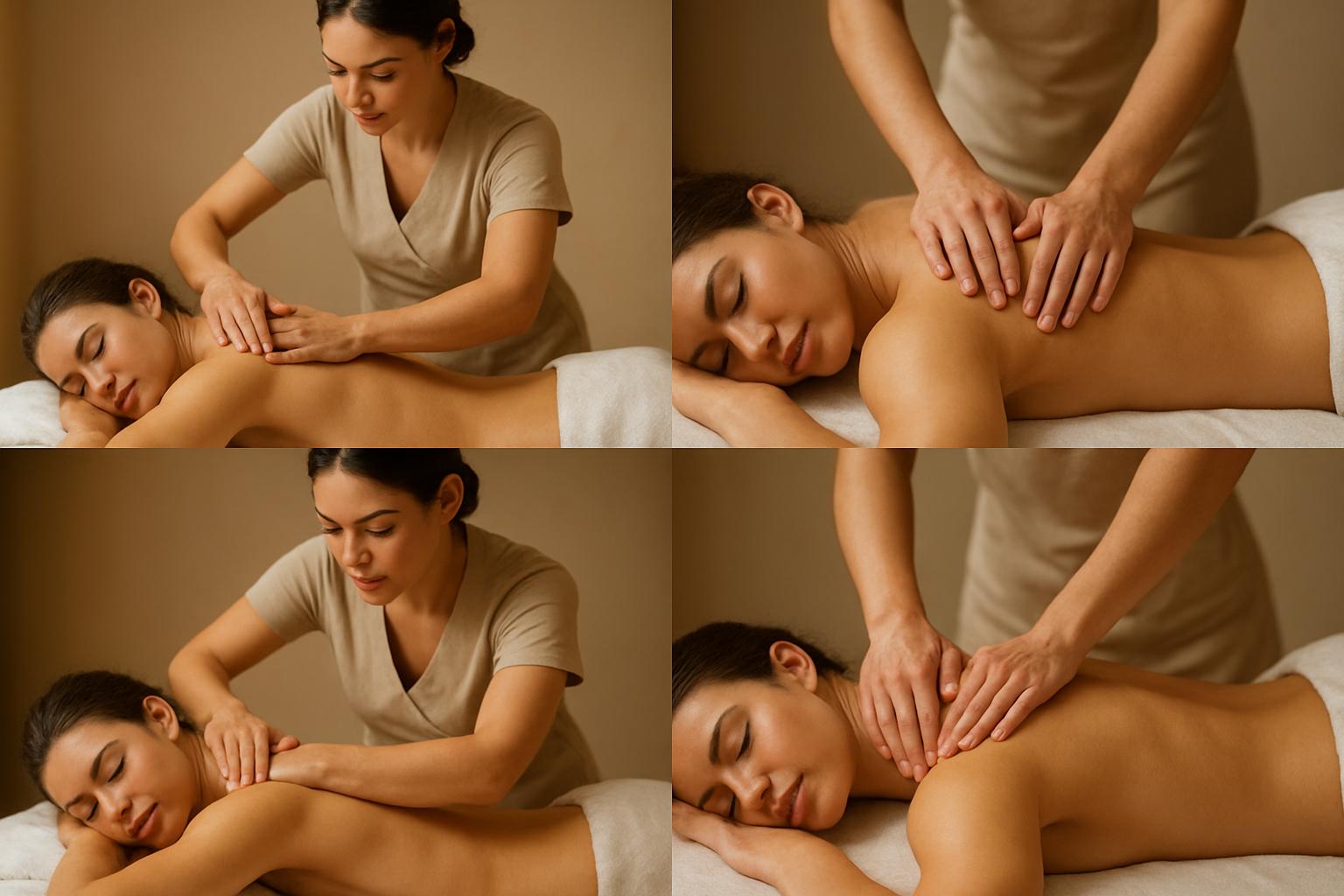
Having a simple outline prevents awkward pauses and shows consideration. For a half-hour session, aim for an arc: arrive, build, and land. Use verbal cues at the start and end of sections—short check-ins keep the partner comfortable and involved.
Example cues: “Is this pressure okay?” “Would you like me to go slower?” “How does that feel on the left side?” Quick, calm questions keep feedback flowing without spoiling the mood.
Adapting technique to body language
Reading nonverbal cues is crucial. Softening breath and relaxed limbs indicate comfort; brief flinches or clenched hands suggest too much pressure or an uncomfortable placement. When in doubt, slow down and ask a simple question—clarity beats guessing.
Another practical tip: mirror your partner’s breathing for a few moments before you start. Synchronizing breath subtly increases rapport and helps you find a rhythm that feels natural for both people.
Common mistakes and quick fixes
People often make a few predictable errors: applying inconsistent pressure, rushing transitions, or ignoring personal quirks like ticklishness. These are easy to fix with awareness. Keep pressure steady, move with intention, and use lighter touch on sensitive spots.
Hygiene and comfort matter, too. Cold hands can distract; warm them on your own forearms first or use warm oil. If the massage space feels cluttered, clear it—visual mess undermines relaxation. Finally, never assume silence equals consent; gentle check-ins replace uncertainty with trust.
- Mistake: Too much talking—Fix: Keep comments minimal, use soft, calm voices.
- Mistake: Ignoring feedback—Fix: Pause and adjust immediately when asked.
- Mistake: Skipping aftercare—Fix: Offer water, a blanket, and a few minutes of quiet to let the partner reorient.
| Element | Why it matters | Quick tip |
|---|---|---|
| Ambience | Sets emotional tone and reduces distractions | Warm lighting, low-volume instrumental music |
| Consent | Creates safety and clear expectations | Ask boundaries at start and check once mid-way |
| Oils | Improve glide and tactile connection | Use hypoallergenic oil, patch-test first |
| Pressure | Determines comfort and tension release | Start light, escalate only with feedback |
| Aftercare | Helps transition back to normal state | Offer water and a quiet five minutes |
When to consider a professional or alternative approaches
If you or your partner have chronic pain, recent injuries, or medical conditions, a licensed massage therapist can offer techniques beyond the scope of a home session. Professionals also provide neutral, trained hands for couples who want a therapeutic experience without mixing relationship dynamics into the work.
Couples who enjoy sensual touch but want to expand skills can take workshops together. These classes teach safe, structured techniques and communication tools that refine the experience without turning it clinical. Look for instructors who emphasize consent, anatomy, and clear boundaries.
Building intimacy beyond the table
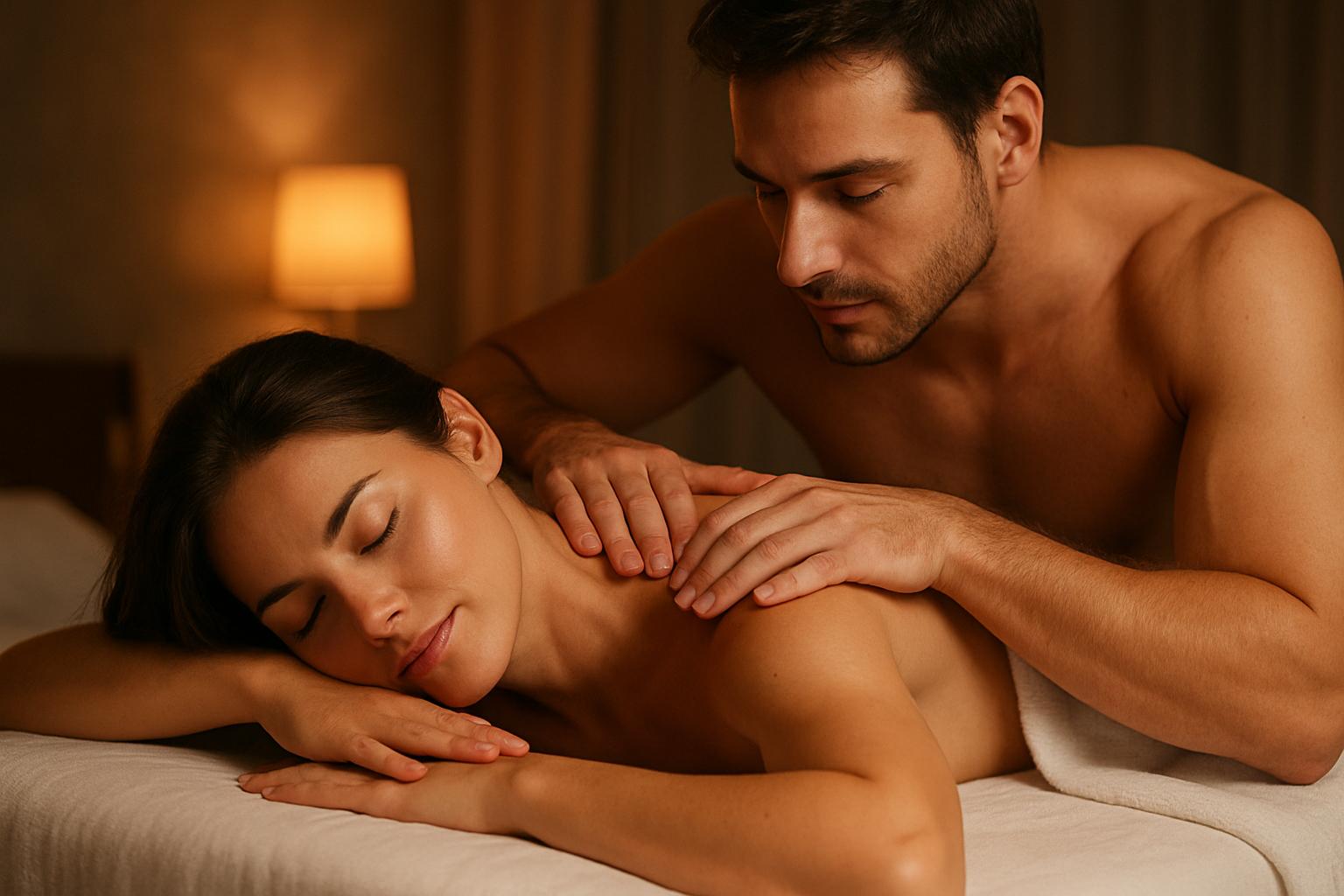
A sexy massage is a practice, not a one-off trick. The skills translate into everyday moments: better listening, more attuned physical comfort, and a sharper sense of when a partner needs reassurance versus stimulation. Small habits—regular check-ins, shared rituals like evening stretching, or a hand on the small of the back when passing—sustain the intimacy a massage can ignite.
Finally, treat the experience as reciprocal. Offer and receive. Practicing giving care builds empathy; receiving care builds trust. Together, those habits create a relationship where sensual touch feels natural and safe.
Takeaways and practical next steps
Start small: pick one area to focus on (shoulders, upper back) and practice a short 10–15 minute routine. Keep sessions regular but optional—pressure to perform kills spontaneity. Prioritize communication: a simple pre-session chat and one or two check-ins will keep both of you comfortable.
Invest in a few modest items—quality oil, a small speaker, and a towel—and practice warming your hands and pacing your movements. Most importantly, cultivate permission and curiosity. A truly «sexy» massage comes from mutual respect, careful attention, and the willingness to learn together.
Conclusion
A sexy massage is less about a checklist of moves and more about the atmosphere you create, the respect you show, and the patience you practice—focus on setting a safe, warm scene, use slow, attentive strokes, check in often, and treat the whole thing as an exchange of care; with those elements in place, touch can become a quiet, powerful way to deepen connection and pleasure without crossing boundaries.