
Behind the words: language, culture and the meanings people attach
When someone types “Asian body rub near me” into a search engine, they may be thinking of a therapeutic massage rooted in Asian traditions: Thai stretching, shiatsu pressure work, or reflexology. But the phrase also carries other meanings in many places, sometimes used as a euphemism for illicit sexual services. That ambiguity matters because it shapes expectations, reputations, and — critically — risk.
Asian massage styles are diverse and have long histories. Thai massage blends acupressure and assisted yoga; shiatsu comes from Japan and uses finger pressure along energy lines; multiple regions across Asia offer oil massages, foot work and lymphatic techniques. Conflating these legitimate practices with sex work flattens cultural nuance and can put both clients and practitioners in uncomfortable or unsafe situations.
How language affects search results and perceptions
Search engines and review platforms index words, and the term “body rub” has developed dual meanings. Businesses choosing their public name, and customers choosing search terms, influence the signals an algorithm receives. That can mean legitimate clinics appear alongside illicit operations, or that legitimate therapists avoid listing their Asian heritage to sidestep stereotyping.
Understanding this linguistic landscape helps you choose better search terms and ask clearer questions. It also helps preserve respect for the crafts and cultures behind traditional therapies.
Legal realities and safety basics
Massage therapy is a regulated health service in many jurisdictions. Therapists often require state or municipal licenses, continuing education, and sanitary compliance. Where regulation is strong, you usually get clear contact information, visible credentials, and a professional setting.
Conversely, illicit businesses sometimes hide behind vague listings, cash-only policies, or private appointment-only models. Those arrangements can be riskier for clients and for workers, particularly when local laws prohibit the particular services being marketed.
How to verify legitimacy before you book
Start with the basics: a verifiable address, a business website, names of practitioners, and visible licensing information. In many places, licensing boards let you check a therapist’s credentials online. If a place won’t provide a license number, that’s a red flag.
Phone etiquette matters too. A legitimate clinic will answer questions about techniques, session length, pricing, and sanitary protocols. If an answering service is evasive or redirects you to unlisted mobile numbers with vague promises, proceed cautiously.
Where to search and what to type
Your choice of search terms steers the results you see. If you want therapeutic work, be explicit: try “licensed Thai massage,” “shiatsu therapist,” “acupressure clinic,” or “medical massage near me.” Adding “licensed,” “clinic,” “spa,” or “studio” filters toward professional practices.
On the other hand, using ambiguous terms tends to attract a wider mix of listings. Private classified ads and certain directories historically host more informal services. If you’re unsure, read listing details and reviews closely before making a decision.
Directories and resources that help
Use reputable directories: Google Maps listings with photos and verified addresses, Yelp with a history of verified reviews, or professional associations such as the American Massage Therapy Association (AMTA) or your country’s equivalent. These sources often show business longevity and transparent feedback.
Another practical move: search the local licensing board’s website for practitioners’ names. Many boards allow you to type in a license number or name and return the therapist’s status and any complaints or disciplinary actions.
What to expect in a professional setting
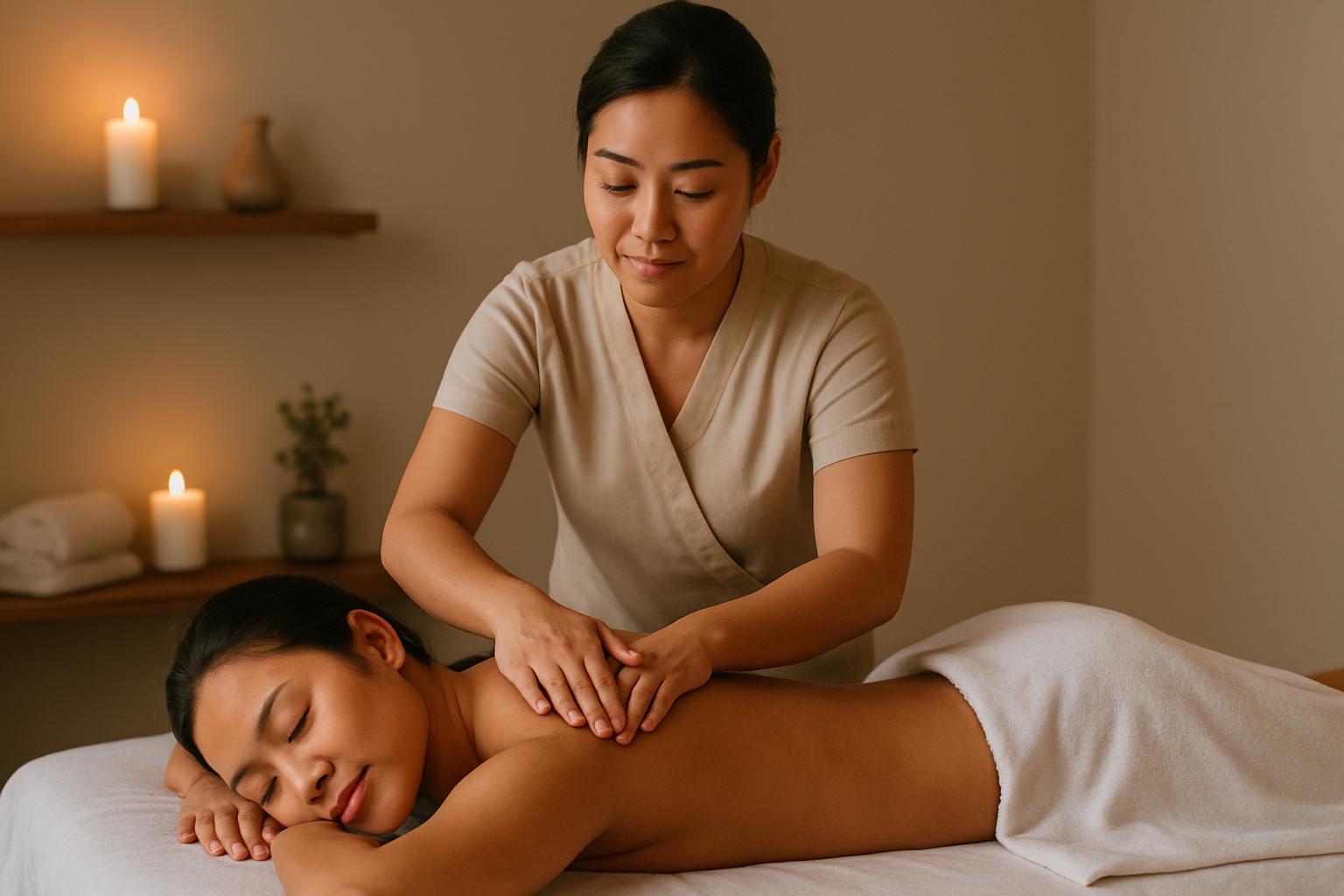
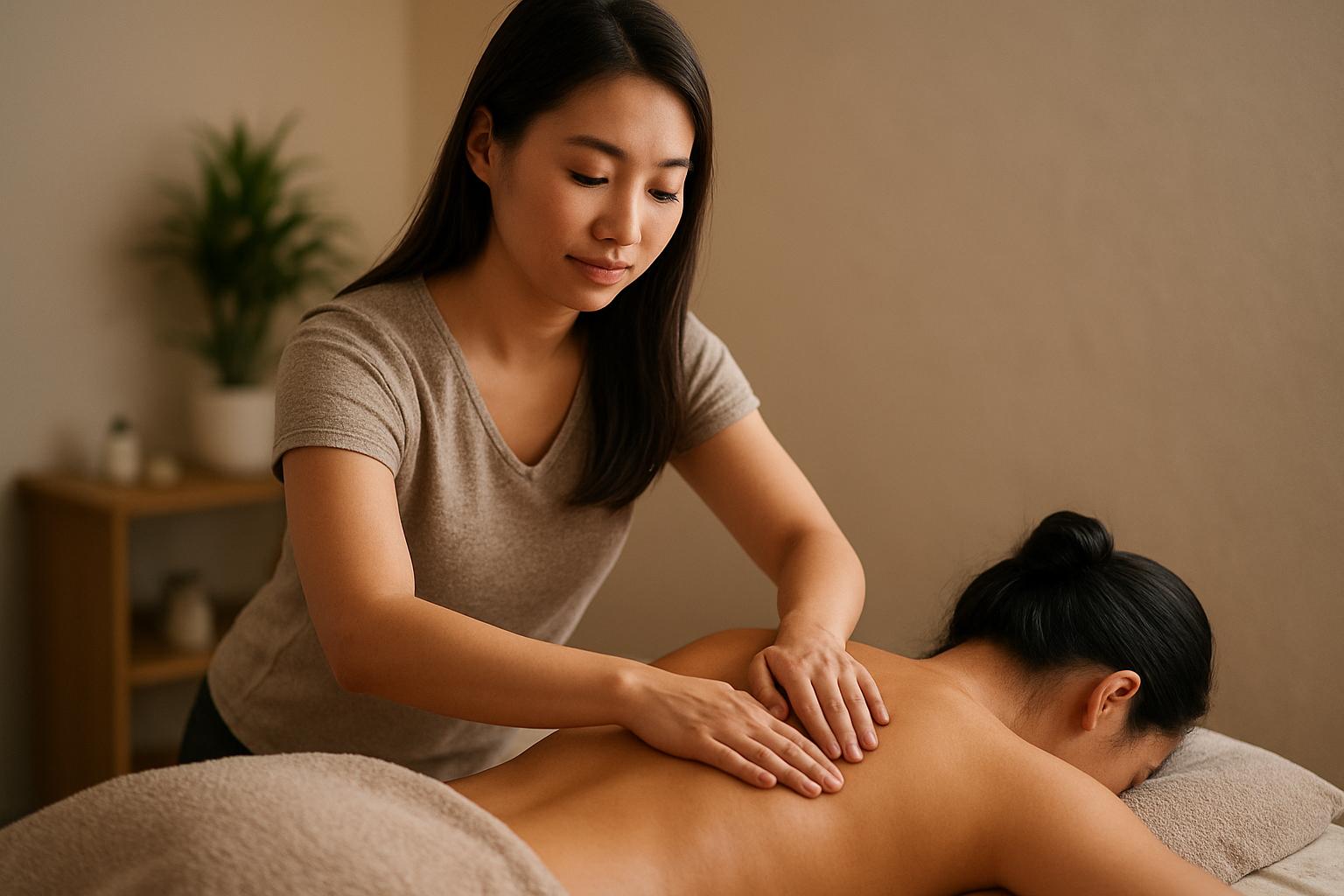
A legitimate session usually starts with a short intake: health questions, areas to avoid, the therapist’s approach, and verbal consent about pressure and draping. You’ll be asked to undress to your comfort level and covered with sheets; only the area being worked on is exposed. If anything feels uncertain, a professional will stop and clarify.
Typical modalities differ: Swedish and deep-tissue work focus on muscles and circulation; Thai massage uses stretches done through clothing; reflexology concentrates on feet and hands. Prices scale with time and specialization; medical or sports massage tends to be at the higher end.
Etiquette, boundaries and tipping
Respectful communication is key. Tell the therapist about injuries or pregnancy. Speak up if pressure is uncomfortable. Professional therapists will not ask for sexual contact, nor will they flirt with clients in a clinical session. Clients who ask for sexual services should expect refusal and possible termination of the appointment.
Tipping practices vary by country and culture. In places where tipping is customary, 15–20% is typical for good service. If the business pins a strict no-tipping policy, that should be stated clearly; otherwise, ask at reception if you’re unsure.
Red flags and how to protect yourself
Some warning signs suggest a listing may not be a legitimate therapeutic practice: extremely low prices compared to the local market, promises of “extras,” poorly photographed or staged storefronts, or listings that emphasize erotic language. Be especially wary of appointments that require prepayment with untraceable methods or insist on cash only.
If you encounter harassment or illegal activity, you can report it — to the platform hosting the listing, to local police if laws have been broken, and to the health licensing body if practitioners are misrepresenting credentials. Reporting protects future clients and workers alike.
Checklist for staying safe
- Confirm license and practitioner name through the state or national board.
- Read multiple reviews, not just one or two glowing notes.
- Call the clinic and ask direct questions about the service, draping, and sanitation.
- Avoid cash-only, appointment-only, or “secret” locations if you can.
- Bring a friend if you’re uncomfortable arriving alone, and trust your instincts.
Real examples and practical scenarios
Example 1: You find a nearby place listed as “Asian Bodywork Studio” with practitioner bios and a professional website. The clinic lists a license number and has photos of a clean treatment room. You call, and the receptionist explains modalities, pricing, and COVID protocols. This pattern indicates a legitimate practice and a low-risk booking.
Example 2: A listing reads “body rubs—call for appointments” with no address, no practitioner names, and multiple one-line reviews praising “great service.” The listing accepts only cash and requests that you “text for location.” These elements combined justify declining and reporting the listing to the platform.
How Yelp, Google, and social media differ
Google Maps often aggregates business data from many sources; a verified business profile with photos and owner responses is a helpful sign. Yelp tends to surface user-generated reviews that can reveal consistent patterns. Social media pages may provide current photos and stories, but they’re easier to fake; cross-check social accounts with other sources.
Look at reviewers’ history. Accounts that leave only short, generic praise without detail are less reliable than reviewers who describe specific experiences, such as the therapist’s name, technique, and treatment outcomes.
Price ranges, session lengths, and what’s reasonable
Prices depend on city, modality and therapist skill. Typical ranges in many urban U.S. markets: 60-minute Swedish or deep tissue sessions run $70–$120; specialized modalities like sports massage or clinical work can be $90–$150. Shorter sessions (30 minutes) and longer sessions (90 minutes) follow proportionally.
If a listing is far below local norms, ask why. Low pricing can reflect promotions or new-business discounts; it can also be a sign of noncompliant or illicit operations. Asking for a breakdown of what the session includes — e.g., consultation, specific techniques, and whether gratuity is included — clarifies expectations.
| Feature | Legitimate Sign | Warning Sign |
|---|---|---|
| Contact information | Verified address, business phone, website | No permanent address, only mobile number |
| Licensing | License number listed, verifiable on board site | No license provided or claims of “training only” |
| Payments | Card and cash accepted, receipts provided | Cash-only, insistence on untraceable payments |
| Reviews | Detailed reviews mentioning techniques, therapist names | Short, repetitive praise or anonymous one-liners |
| Price range (typical) | $70–$120 for 60 minutes (varies by city) | Well below market without clear explanation |
Key takeaways and a brief action plan
When you search for “Asian body rub near me,” be intentional with language: if you want traditional therapeutic work, use terms that specify modality and licensing. Verify practitioners through licensing boards and reliable directories. Call the clinic and ask straightforward questions about techniques, draping, and pricing. Look for full contact details, a professional setting, and consistent, detailed reviews.
Trust your senses. If something feels off—unusual secrecy, evasive answers, or pressure to pay in cash—pause. There are plenty of skilled, licensed therapists offering authentic Asian-inspired bodywork in professional settings; a little research will usually lead you to a safe, restorative session rather than trouble.
Helpful resources
- State or national massage therapy licensing board (searchable online)
- Professional associations like AMTA or equivalent local bodies
- Reputable local directories and Google Maps with verified business listings
Conclusion
Searching for “Asian body rub near me” can uncover anything from a licensed practitioner offering centuries-old therapeutic techniques to an illicit operation using euphemistic language; by choosing precise search terms, checking licenses, reading detailed reviews, and asking direct questions, you increase the chances of finding safe, professional bodywork that respects both your needs and the practitioners’ dignity.