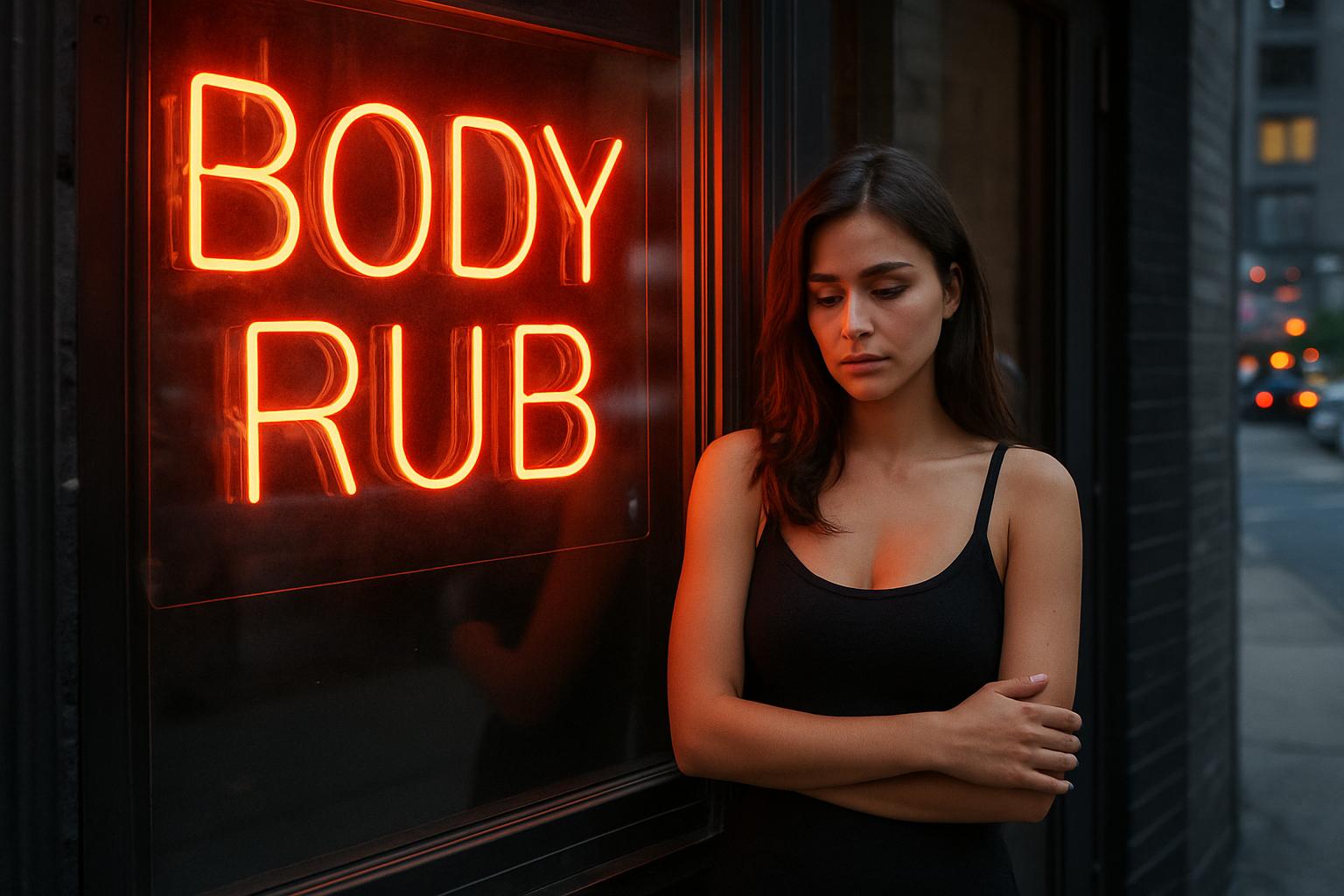

What “upscale body rub” means in New York City
“Body rub” can mean different things to different people, and in a city as diverse as New York the phrase often carries an ambiguous mix of wellness, relaxation, and—sometimes—added insinuation. When you hear “upscale body rub,” think of a premium spa experience: refined décor, licensed therapists, professional intake procedures, and a focus on comfort and privacy rather than anything illicit.
Upscale settings tend to emphasize quality: trained hands, high-thread-count linens, quality oils and creams, dim lighting, curated music, and a clear commitment to client consent. The reputations of these places are built on repeat clientele, visible licenses, and often membership or appointment systems that favor discretion and reliability.
Legal and safety landscape
Understanding legal boundaries is the first practical step. In New York State, massage therapy and related services are regulated: practitioners generally must be licensed, and legitimate businesses comply with local zoning, health, and employment laws. Any establishment offering services outside the scope of recognized therapeutic or spa practices risks fines, closure, and criminal scrutiny.
Safety isn’t just about legality. Reputable providers carry liability insurance, follow sanitization protocols, and have clear policies about consent and boundaries. A responsible spa will explain these policies when you book and reinforce them during intake. If an environment feels evasive about credentials or local requirements, that’s a practical red flag, not an aesthetic critique.
How to find a reputable spa or practitioner
Start with mainstream review platforms, but read beyond star ratings. Look for specifics in written reviews: how staff handled arrival, whether therapists checked health history, and whether the facility adhered to posted policies. Photos of professional interiors, clean treatment rooms, and visible certificates often accompany more credible listings.
Referrals from friends, co-workers, or healthcare professionals are invaluable. If someone you trust already goes to a place and can vouch for its professionalism, that beats any promotional copy. You can also check state licensing boards to verify a therapist’s credentials before booking.
- Check licensing and certifications through state boards
- Read detailed reviews, not just star counts
- Ask for recommendations from trusted people
- Confirm cancellation and privacy policies before arrival
Questions to ask before booking
When you call or message, listen carefully to how staff answer. Are they transparent about what a session includes? Do they explain the intake process? A spa that hesitates or gives vague answers is less likely to prioritize client safety.
There are practical questions that will reveal more than tone: is your therapist licensed? What sanitary protocols are in place? What are the accepted payment methods? Does the spa have a no-tolerance policy for boundary violations? Ask these plainly; a legitimate business will treat them as routine inquiries.
What a typical visit looks like
A professional upscale session usually begins with an intake form and a short consultation. The therapist will ask about medical history, current aches or sensitivities, and treatment goals. This step is both practical and ethical: it personalizes the session and establishes consent.
The session itself can vary from a full-body Swedish massage to targeted deep-tissue work or specialty modalities like aromatherapy or hot stones. Music, lighting, and temperature are adjusted to client preference. Throughout the treatment, therapists check in verbally or by touch to gauge pressure and comfort—communication is normal and encouraged.
Aftercare is part of the experience. Expect a moment to sit, hydrate, and receive any follow-up advice. At upscale spas you may also be offered a changing area with quality robes, and a quiet lounge to unwind before re-entering the street noise of the city.
Typical pricing and service tiers
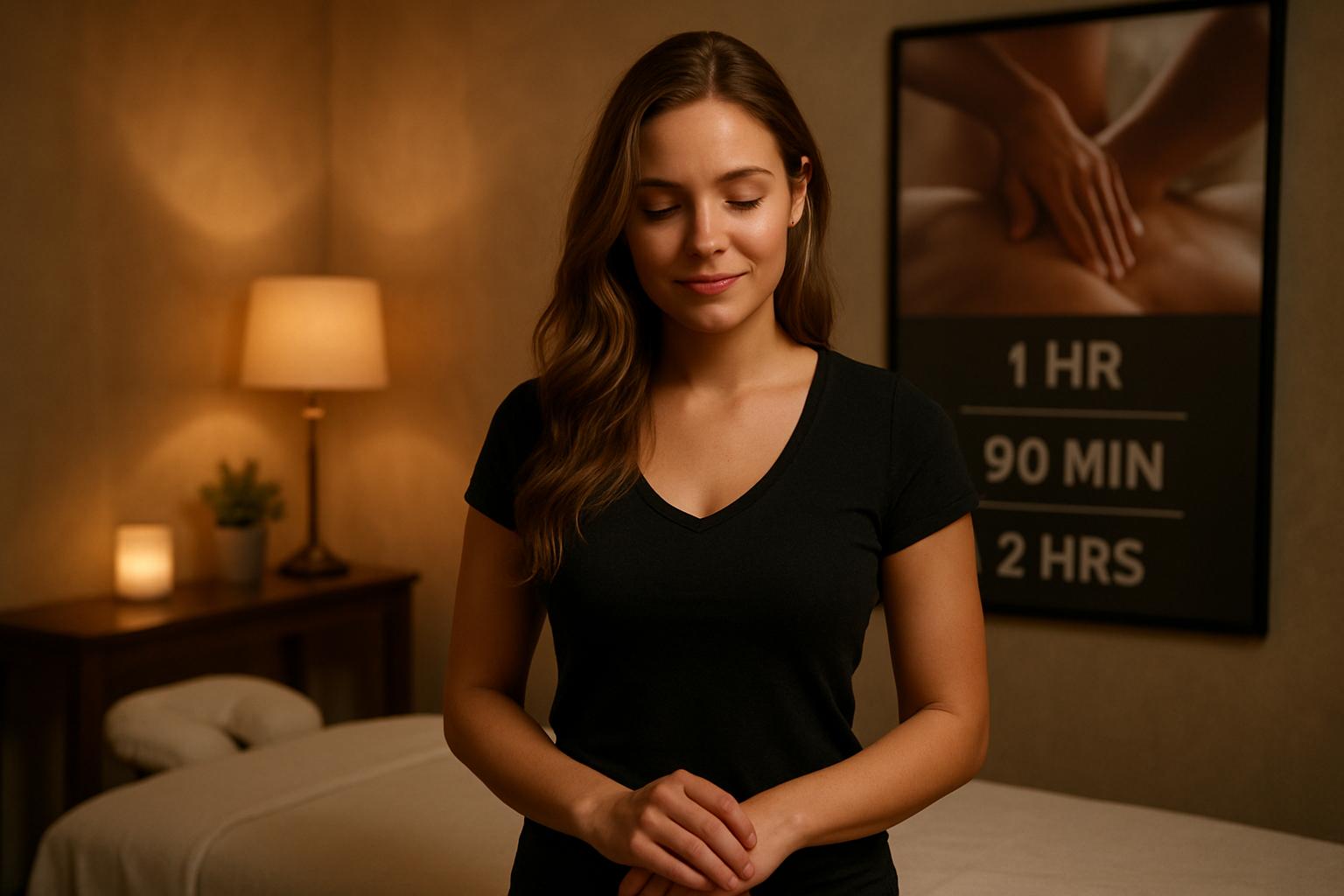
Price reflects location, experience, and amenities. In Manhattan and other prime neighborhoods, expect higher rates for premium settings and highly trained therapists. Typical price bands might look like this: a 60-minute therapeutic massage at a reputable spa can range from modest to costly depending on the brand and therapist seniority.
Many upscale venues offer packages—multiple modalities, extended sessions, or membership plans that lower the per-visit cost. Look for transparent pricing on the website or in the booking confirmation to avoid surprises at checkout.
Etiquette, payment, and tipping
Simple etiquette smooths the whole experience. Arrive a bit early to complete intake and avoid rushing. Be honest about your health conditions and pressure preferences. If you need to pause or stop, say so clearly; good therapists will respect your wishes immediately.
Payment practices differ, but most reputable spas accept cards and expect a gratuity for the therapist. Tipping norms can vary by neighborhood and service level; 15–25% is common in many upscale settings, but check whether gratuity is included in your bill. If you’re unsure, ask at booking or clarify before the service ends.
- Arrive 10–15 minutes early for intake
- Bring ID if required for verification
- Confirm whether gratuity is included
- Communicate pressure and comfort preferences clearly
Red flags and how to protect yourself
Not every place that calls itself “upscale” operates with integrity. Watch for businesses that avoid answering questions about licensing, request cash-only payment with insistence, or pressure you to extend services in ways that make you uncomfortable. These are practical signals to leave or cancel a booking.
Protect yourself by using traceable payments (cards rather than cash), keeping a record of confirmation emails, and sharing your plans with someone you trust—especially if you’re going somewhere after hours. If you ever feel unsafe, exit the establishment and contact local authorities or building security. Trust your instincts; professionalism and comfort should never be optional.
Alternatives and when to choose them
If your priority is medical recovery rather than relaxation, consider a licensed physical therapist or a clinician who specializes in sports medicine. These professionals focus on rehabilitation and may use modalities that aren’t offered in a spa setting.
For a blend of luxury and medically informed care, look into med spas or clinics with licensed massage therapists overseen by healthcare professionals. These venues can bridge the gap between indulgence and clinical outcomes, offering treatments aligned with specific health goals.
When a spa is the right choice
Choose an upscale spa when your goal is sustained relaxation, stress relief, and a controlled environment where small comforts—like a quiet room or premium oils—matter. For chronic pain or injury, pivot toward providers whose credentials emphasize therapeutic outcomes.
Ultimately, the right choice aligns with your intended outcome: recovery, relaxation, or something in between. Picking a place that matches that intent makes your time and money worthwhile.
Quick-reference table: key considerations
| Topic | What to look for | Typical action |
|---|---|---|
| Licensing | Visible certificates; therapist listed with state board | Verify online or ask before booking |
| Hygiene | Clean linens, sanitation protocols, disposable items | Inspect room; ask about cleaning between clients |
| Cost | Transparent pricing, package options | Confirm rates and gratuity policy upfront |
| Boundaries | Clear consent policy, professional communication | Decline if the provider is evasive |
| Reviews | Specifics about staff and experience | Prioritize detailed, recent reviews |
Practical takeaways
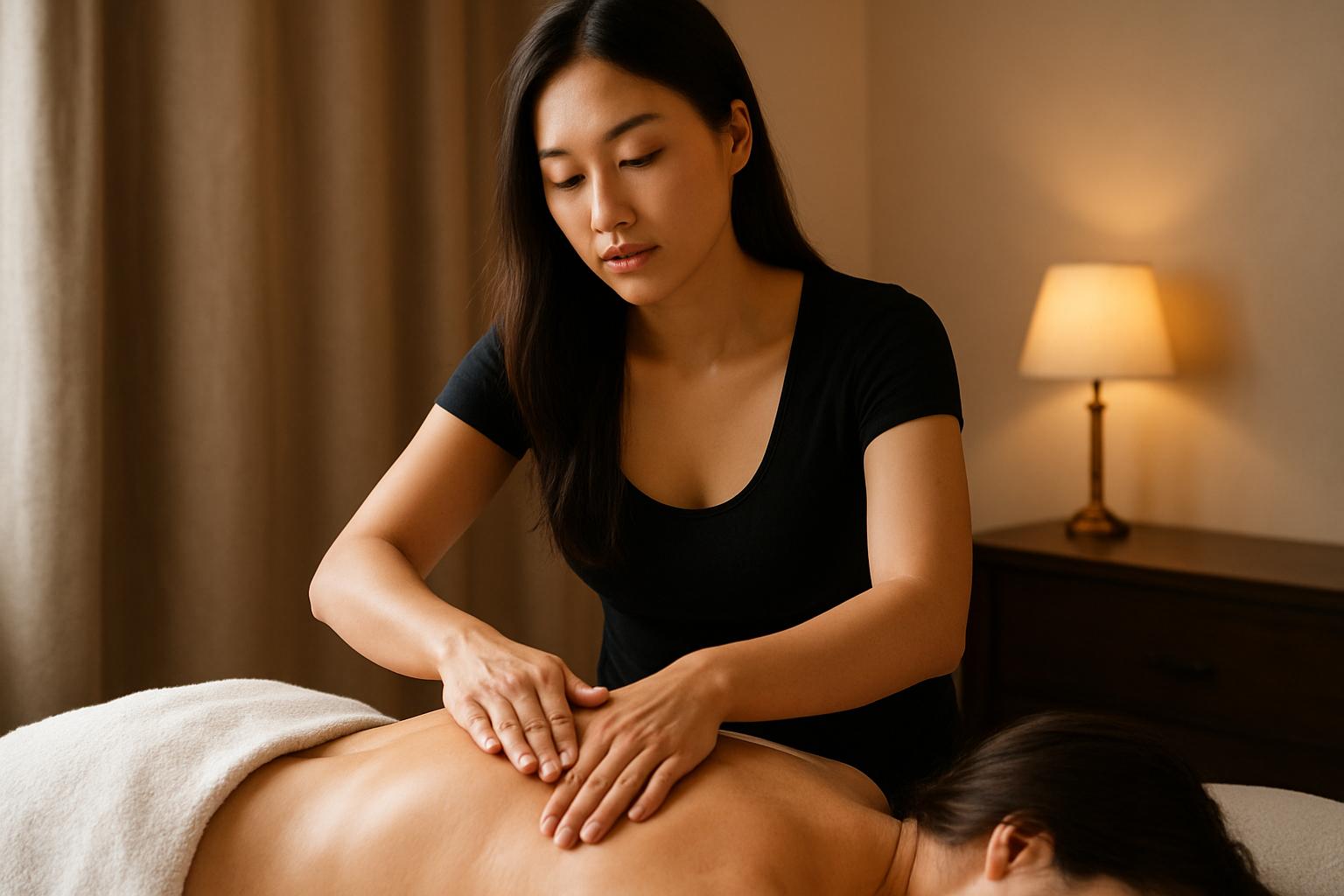
Choose places that value transparency: visible credentials, clear pricing, and straightforward policies. Use referrals and verified reviews rather than relying solely on flashy advertising. Communicate openly about health and preferences, and pick payment methods that leave a paper trail.
When in doubt, opt for settings with visible professionalism—reception areas, written intake forms, and therapists who check on pressure and comfort. Those small signs often correlate with larger commitments to safety and quality.
Conclusion
Upscale body rubs in New York can offer a polished, restorative experience when you prioritize licensed providers, clear communication, and basic safety checks; do your homework, trust your instincts, and match the venue to your goal—whether that’s deep relaxation, recovery, or a luxurious hour away from the city’s pace.