
What people mean by “rub and tug” — and why the term matters
The phrase “rub and tug” is shorthand the internet and certain classifieds use to describe massage businesses that offer sexual services. It’s short, blunt, and carries a lot of baggage: legality concerns, safety risks, and a cultural history that too often involves exploitation. If you’ve typed those words into a search box out of curiosity or desperation, pause for a moment—knowing what the phrase implies will help you make safer choices.
Many people search for that phrase looking for intimacy, stress relief, or simple human contact. Those needs are understandable. But the moment a purported massage business offers sexual services in exchange for money, it enters an illegal zone in New York and raises serious public-health and personal-safety issues. This article isn’t an attempt to moralize; it’s an effort to give practical guidance so you can find legitimate, licensed massage therapy and avoid services that put you—or someone else—at risk.
The legal landscape in New York: licensing, laws, and enforcement
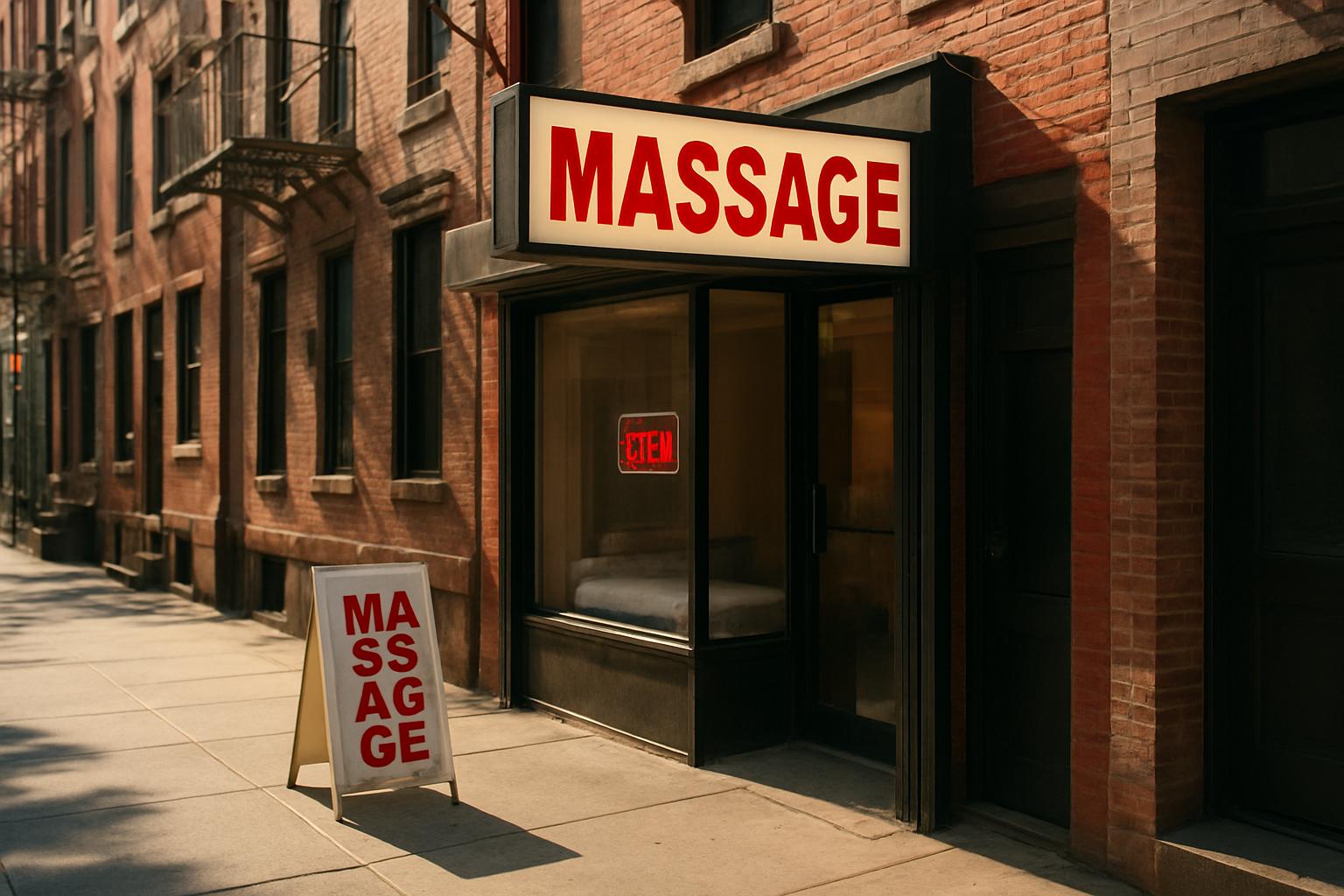
Massage therapy in New York is a regulated health profession. Practitioners who call themselves licensed massage therapists (LMTs) are required to meet education and examination standards and to register with state authorities. Simultaneously, prostitution and the exchange of sexual acts for money are criminal offenses. Municipalities and state agencies investigate and shut down establishments that operate outside those boundaries.
Beyond criminal penalties, there are civil and public-health consequences: unregulated operations may lack basic hygiene standards, proper sanitation, or trained staff who understand contraindications for certain medical conditions. For anyone seeking therapeutic touch in a city that demands both high standards and personal safety, the safest path is to verify credentials and use reputable businesses.
How to verify a massage therapist is properly licensed
Start with the New York State Education Department (NYSED) Office of the Professions. They maintain a searchable database where you can confirm whether an individual is registered as a massage therapist or has the appropriate credential. Ask the therapist for their registration number and then check it yourself. Legitimate practitioners will be comfortable providing this information.
Other markers of legitimacy include professional association memberships (for example, the American Massage Therapy Association), visible certificates in the treatment room, clear intake forms that ask about medical history, and a willingness to discuss scope of practice and contraindications. If a business refuses to show credentials or insists on cash-only transactions for services described vaguely, consider it a red flag.
Where to find reputable therapeutic massage in NYC
New York City has a vast ecosystem of legitimate options: day spas, medical and sports clinics, luxury hotel spas, independent licensed therapists working out of studios, and national chains that follow standardized training. Each option suits different goals—deep-tissue work for athletes, prenatal for expectant mothers, Swedish for relaxation, or medical massage for post-surgical recovery.
To find a good match, use professional directories (AMTA, ABMP), hospital or physical-therapy referrals, Yelp/Google reviews with attention to verified visits, and recommendations from friends. Booking platforms that require therapist credentials and display real photos of the space tend to be safer than anonymous classifieds. And if you have a specific health condition, ask whether the therapist has experience with it before scheduling.
Red flags: how to spot illicit operations
Illegal or exploitative establishments often advertise differently, behave differently, and run different business models than legitimate spas. Being able to spot patterns will help you avoid trouble before you walk through a door.
- Cash-only transactions with no receipts or invoices.
- Vague service descriptions that avoid clear massage modalities or list “extras” outside normal therapy.
- No visible license or refusal to provide a license number on request.
- Advertisements that sexualize the staff, use suggestive imagery, or emphasize “discretion” in lieu of professional standards.
- Closed-door walk-in-only policies with no intake forms or written consent; staff who discourage questions about qualifications.
If you encounter these signs, the safest choice is to leave and report the business to city authorities. Reporting protects you and the wider community by allowing regulators to investigate patterns of abuse or illegal commerce.
| Feature | Legitimate | Illicit |
|---|---|---|
| Payment | Card, receipt, invoices, online booking | Cash-only, no receipt |
| Staff credentials | License on display, registration number | Refusal to provide credentials |
| Advertising | Lists modalities (Swedish, deep-tissue), reviews | Sexualized imagery, “special services” hints |
| Intake process | Written medical history, informed consent | No intake form, vague procedures |
| Environment | Clean, professionally outfitted, visible policies | Hidden entrances, curtained rooms, poor hygiene |
How to book a safe, high-quality massage in NYC
Before you book, decide what you want the session to accomplish: relaxation, pain relief, sports recovery, or an introduction to therapeutic touch. A clear goal will guide the type of therapist and length of session you need. Expect to give basic medical history and to be asked about recent injuries, surgeries, or medications—these are standard safety checks, not invasive prying.
Ask specific questions in advance: Are you licensed? What modalities do you practice? How long is the session and what is the price? What is your cancellation policy? Reputable studios will answer these straightforwardly, provide a written consent or intake form, and allow you to request or decline specific types of touch.
Tipping norms in New York vary, but 15–20% for exceptional service is common in spas and independent studios. Also factor in gratuity into your budget when comparing prices. If you prefer someone of a specific gender or cultural background, many local booking platforms let you filter for those preferences—use them to make yourself comfortable, but avoid assumptions about competence based on appearance.
What to expect during a professional session
0
At a legitimate appointment you’ll be greeted, given privacy to undress to your comfort level, and asked to place yourself under draping (a sheet or towel) so the therapist can work only on the area being treated. Therapists should explain techniques and ask permission before applying pressure to sensitive areas. Communication is encouraged throughout: say if pressure is too strong or if you feel pain beyond therapeutic discomfort.
If at any point a therapist breaches professional boundaries, stop the session, get dressed, and leave. You can report the incident to the studio management and to licensing authorities. Your safety and dignity come before any obligation to stay or to finish a treatment.
Alternatives to illicit services for stress relief and intimacy
If the draw toward “rub and tug” is about seeking intimacy, there are legitimate, safer alternatives. Couples massages at reputable spas provide shared relaxation in a controlled environment. Sex-positive workshops, tantra classes, and bodywork taught by certified instructors offer consensual connection without crossing legal or ethical lines.
For deeper issues—loneliness, relationship needs, or chronic stress—consider therapy, couples counseling, or community activities where consensual physical contact is framed responsibly. Health professionals, licensed therapists, and reputable educators can provide options that honor both your needs and the law.
Practical takeaways and resources
Here are concise actions you can take if you’re searching for massage services in NYC:
- Verify licenses via the NYSED Office of the Professions before booking.
- Prefer businesses with clear online presence, visible policies, and online booking with receipts.
- Avoid cash-only operations, sexualized ads, or businesses that won’t answer basic credential questions.
- Choose recognized directories (AMTA, ABMP) or hospital and therapist referrals for specialized needs.
- If you encounter illegal activity, report it to local authorities; reporting helps protect workers and clients.
Useful organizations to consult: New York State Education Department Office of the Professions for licensing verification; American Massage Therapy Association and Associated Bodywork & Massage Professionals for therapist directories; NYC Department of Consumer and Worker Protection for business complaints. These institutions offer searchable databases and clear guidance about rights and responsibilities.
Conclusion
Searching for the “best rub and tug” in New York raises more than a question of technique—it raises legal, ethical, and safety concerns. If what you want is therapeutic touch, relaxation, or professional bodywork, there are abundant, legitimate options in the city that meet high standards of training and hygiene. Verify licenses, look for transparent business practices, ask questions, and choose services that respect both the law and personal boundaries; doing so protects you and supports an honest, professional massage community in NYC.