
“Body rub” is a terse phrase you might see online or on a storefront in New York, and it can mean different things depending on context. For some people it’s shorthand for a legitimate therapeutic massage; for others it’s an ambiguous advertisement that raises questions about legality and safety. This article unpacks the terminology, explains New York’s regulatory framework, and gives clear, actionable advice for choosing a reputable provider.
Whether you’re seeking relief from neck pain, a relaxing spa experience, or a quick chair massage between meetings, understanding the landscape will save you time—and help you avoid risky situations. Read on for definitions, legal notes, practical tips, and a compact table that sums up the essentials.
What “Body Rub” Means in New York Today
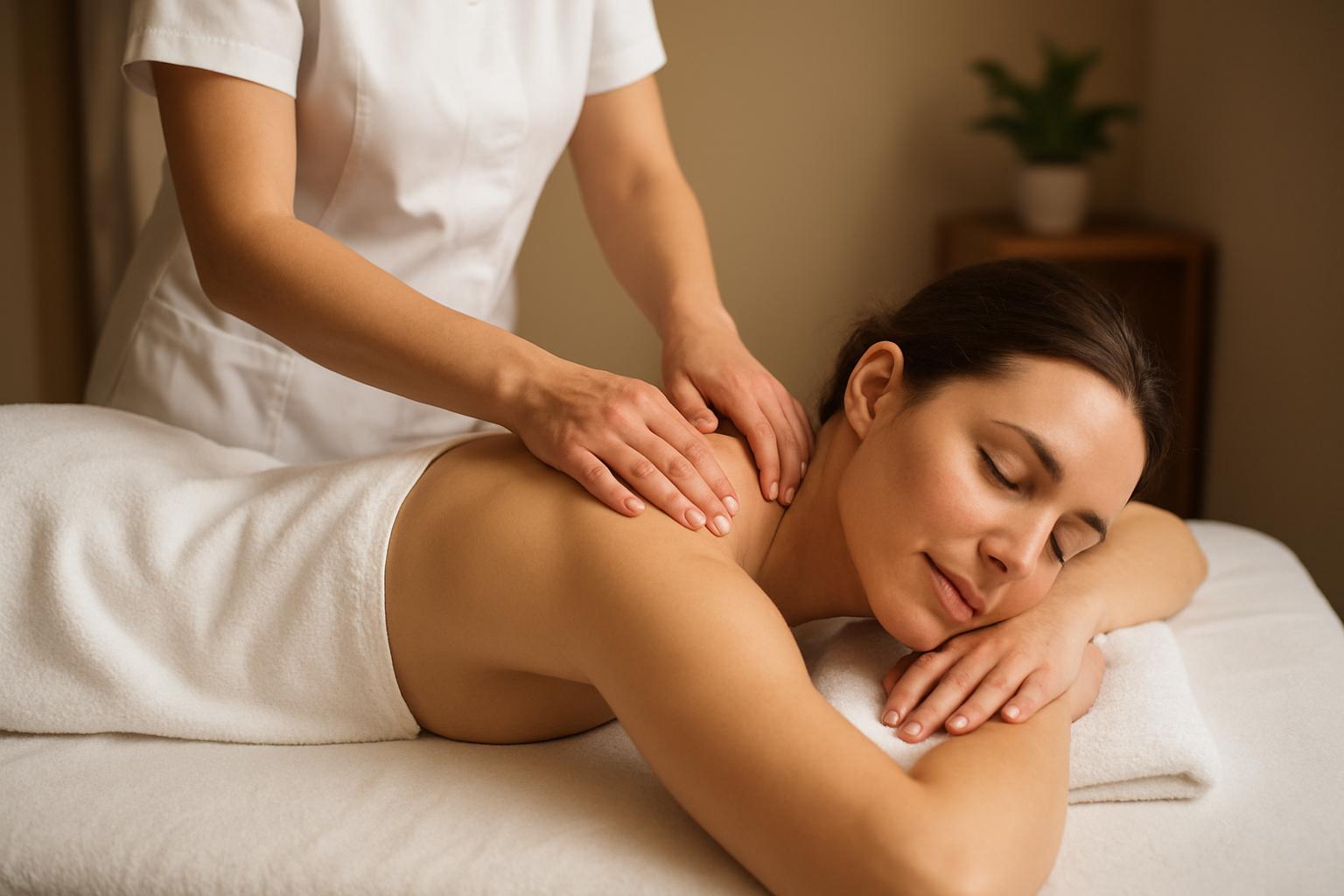
In everyday usage, “body rub” can refer to anything from a licensed therapeutic massage to an ambiguous service offered by unregulated businesses. Licensed massage therapists use evidence-based techniques to address muscle tension, rehabilitation and stress. Spas and wellness centers generally advertise specific modalities—Swedish, deep-tissue, sports—so their services are straightforward to evaluate.
On the other hand, the phrase “body rub” is sometimes used by establishments that want to avoid explicitly stating what they offer. That ambiguity can mask unlicensed operations or services that fall outside therapeutic practice. Distinguishing between licensed, professional care and unregulated offerings is the first step in making a sensible choice.
Legal and Regulatory Snapshot: What You Need to Know
In New York State, massage therapy is regulated. Practitioners who represent themselves as massage therapists and perform therapeutic services are expected to meet licensing or certification requirements enforced by the state or local jurisdictions. Licensing standards typically include education, supervised clinical hours, and adherence to professional codes.
In New York City and surrounding counties, enforcement varies and local law can be stricter. Businesses that offer sexual services for money are illegal under state law; advertising language that hints at sexual conduct can attract scrutiny. Choosing a licensed facility reduces legal risk for clients and practitioners alike.
Practical takeaway: verify credentials. A license or visible certification is not a guarantee of quality, but it is a clear signal that the provider operates within regulated standards and is more likely to follow hygiene and safety protocols.
Types of Services Often Labeled “Body Rub”
When shopping for a massage in NY, you’ll encounter a range of services. Common therapeutic modalities include Swedish massage (gentle, circulation-focused), deep-tissue (targeting chronic muscle tension), sports massage (performance and recovery), and trigger-point therapy. Many clinics also offer adjuncts like cupping or myofascial release.
Chair massages and on-site corporate treatments are shorter, focused sessions aimed at relaxation and posture improvement. Medical or clinical massage often takes place in rehabilitation settings and may be integrated with physical therapy.
Some listings will use vague terms to imply other kinds of services. If a listing lacks clear descriptions, pricing transparency, or a professional profile for the practitioner, treat that as a red flag and proceed with caution.
How to Choose a Reputable Practitioner
Start with credentials. Licensed massage therapists usually list their credentials on their website, social profiles, or in the treatment room. You can ask for their license number and verify it through the state’s licensing board or professional association directories.
Assess the environment. A clean, well-lit clinic with clear intake forms, visible privacy policies, and a front-desk professional is typically a sign of legitimacy. The presence of clearly stated policies—cancellation, late arrivals, child protection—indicates an organized practice.
Use reviews judiciously. Online reviews are useful but not definitive. Look for patterns in feedback about cleanliness, professionalism, and treatment outcomes rather than isolated praise or complaints. When in doubt, call and ask questions—how do they screen clients with medical conditions? What training does the staff have?
Questions to Ask Before Booking
- Are you licensed? Can I see your license number?
- What modality will you use, and why is it appropriate for my issue?
- Do you maintain written intake and consent forms?
- What is your policy on draping and boundaries during treatment?
- How do you handle cancellations or late arrivals?
These questions are direct but reasonable. A professional practitioner will welcome them and provide clear answers without pressure.
Pricing, Tipping, and Etiquette in NY
Massage prices in New York vary by neighborhood, practitioner experience and type of facility. Typical ranges (as of recent years) might be:
- Chair massage or quick treatment: $20–$60 for short sessions
- Standard 60-minute therapeutic massage: $75–$150
- Specialized clinical or sports massage: $90–$180
Tipping is customary in spa and independent practices: 15–20% is common for a good experience, though some higher-end spas add service charges. If you book through a healthcare provider or an insured clinical setting, tipping may be less expected—check policies first.
Respectful conduct is a part of etiquette: arrive on time, disclose relevant medical history, and communicate preferences about pressure, areas to avoid, and comfort level. Practitioners will likely use draping (covering) and obtain consent before any hands-on work.
Safety, Health, and Boundaries
Safety begins with openness. Good practitioners perform a brief intake that includes medical history, current medications, injuries, and contraindications. If you have conditions like deep vein thrombosis, active inflammation, infectious skin conditions, or certain cardiac issues, you should get medical clearance before receiving deep or therapeutic massage.
Discuss allergies—especially to oils or lotions—before treatment. If you feel pain beyond therapeutic discomfort, speak up immediately. Consent and boundaries are central: a legitimate therapist will explain what to expect and stop or modify the session if you request it.
Be cautious of businesses that discourage questions or push for cash-only transactions without receipts. Those are often signs of informal, unregulated operations that may not adhere to safety standards.
Where to Find Legitimate Services
Use official and professional channels when possible. Look for practitioners listed with state or local massage therapy associations, hospital-affiliated wellness centers, licensed day spas, or physical therapy clinics. These institutions are more likely to enforce standards and maintain oversight.
Online directories—such as professional association websites or verified listings on mapping services—can be helpful start points. When using consumer review sites, cross-reference names and addresses to ensure consistency and legitimacy.
Avoid relying solely on classified ads or anonymous listings that use evasive language. If a business can’t clearly describe the service, provide credentials, or answer basic policy questions, it’s safer to move on.
| Aspect | What to Look For | Red Flags |
|---|---|---|
| Credentials | State license, professional association membership | No license shown; vague qualifications |
| Environment | Clean facility, intake forms, clear policies | Unmarked rooms, cash-only, no paperwork |
| Communication | Open answers to questions, informed consent | Pressure to avoid questions; evasive answers |
| Pricing | Transparent rates, receipts | Hidden fees; inconsistent pricing |
Practical Takeaways
- Verify licensing before booking; it’s the simplest protective step.
- Choose facilities that provide intake forms, explain procedures, and maintain clear policies.
- Avoid ambiguous ads; specificity about modality, duration and price is a sign of legitimacy.
- Ask direct questions about hygiene, training, and treatment goals—professional therapists will welcome them.
- If anything feels off—uncomfortable environment, pressure to pay cash, or reluctance to answer basic questions—leave and report if warranted.
Conclusion
0
Finding a safe, effective body rub in New York boils down to a few simple habits: verify credentials, evaluate the environment, ask clear questions, and trust your instincts—doctors, hospitals and professional associations can point you toward reputable options, and avoiding vague, evasive listings will keep you out of risky situations.