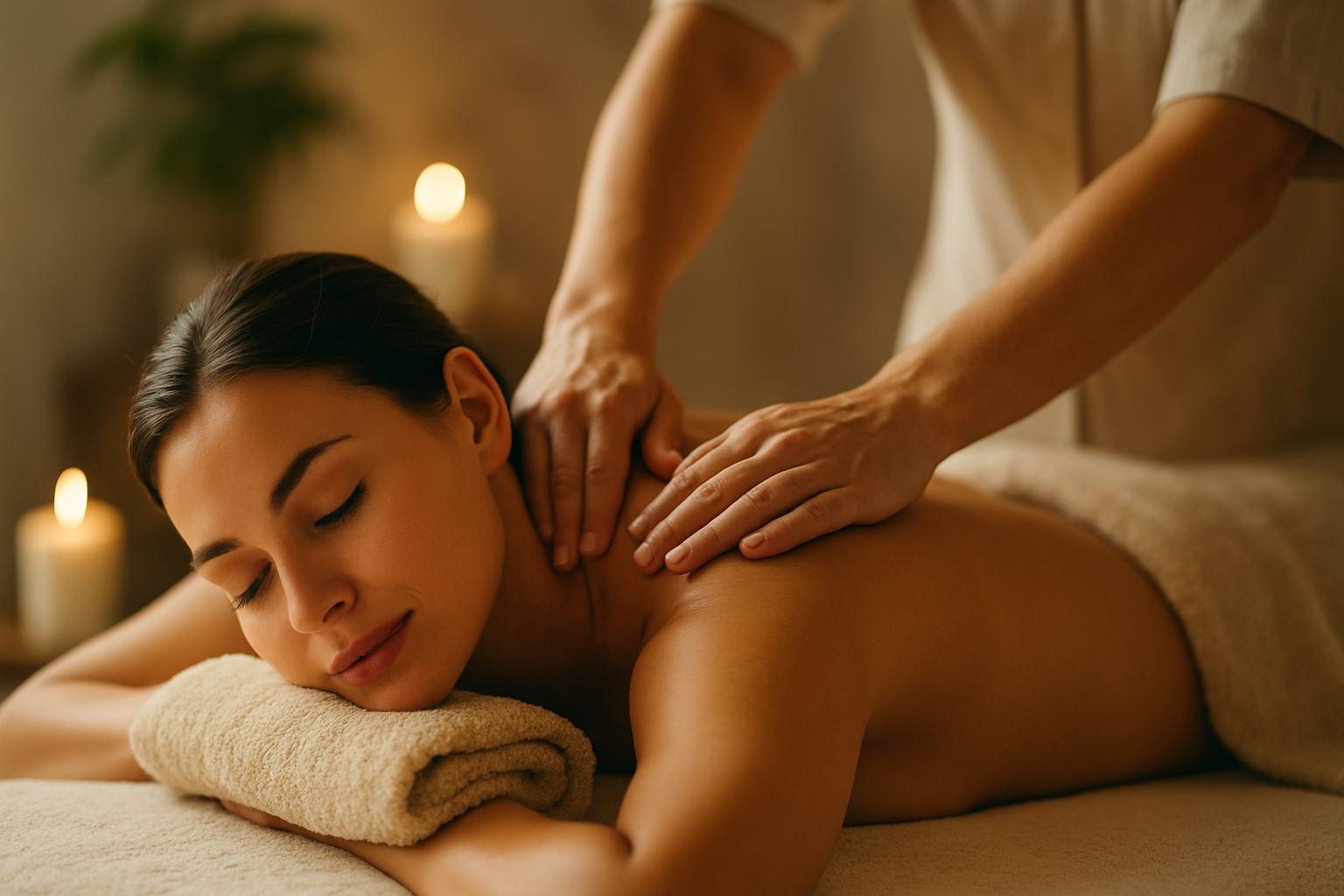

Why we’re drawn to massage—and what “relaxation” actually means
Relaxation is more than the absence of stress; it’s a measurable state of lowered arousal in the nervous system, smoother breathing, and a felt ease in the body. People pursue massage for many reasons: to sleep better, to loosen tight muscles, to escape a racing mind for half an hour. But what they often find is that the simple act of being cared for—attuned touch, steady pressure, respectful presence—recalibrates their capacity to rest.
That recalibration has both subjective and objective sides. Subjectively, clients report reduced anxiety, clearer thinking, and softer shoulders. Objectively, research shows shifts in heart rate variability, lower cortisol levels, and changes in muscle tension after a focused session. In short, massage for relaxation can be a bridge between the felt sense of calm and the body systems that sustain it.
How massage works: the body mechanisms behind calm
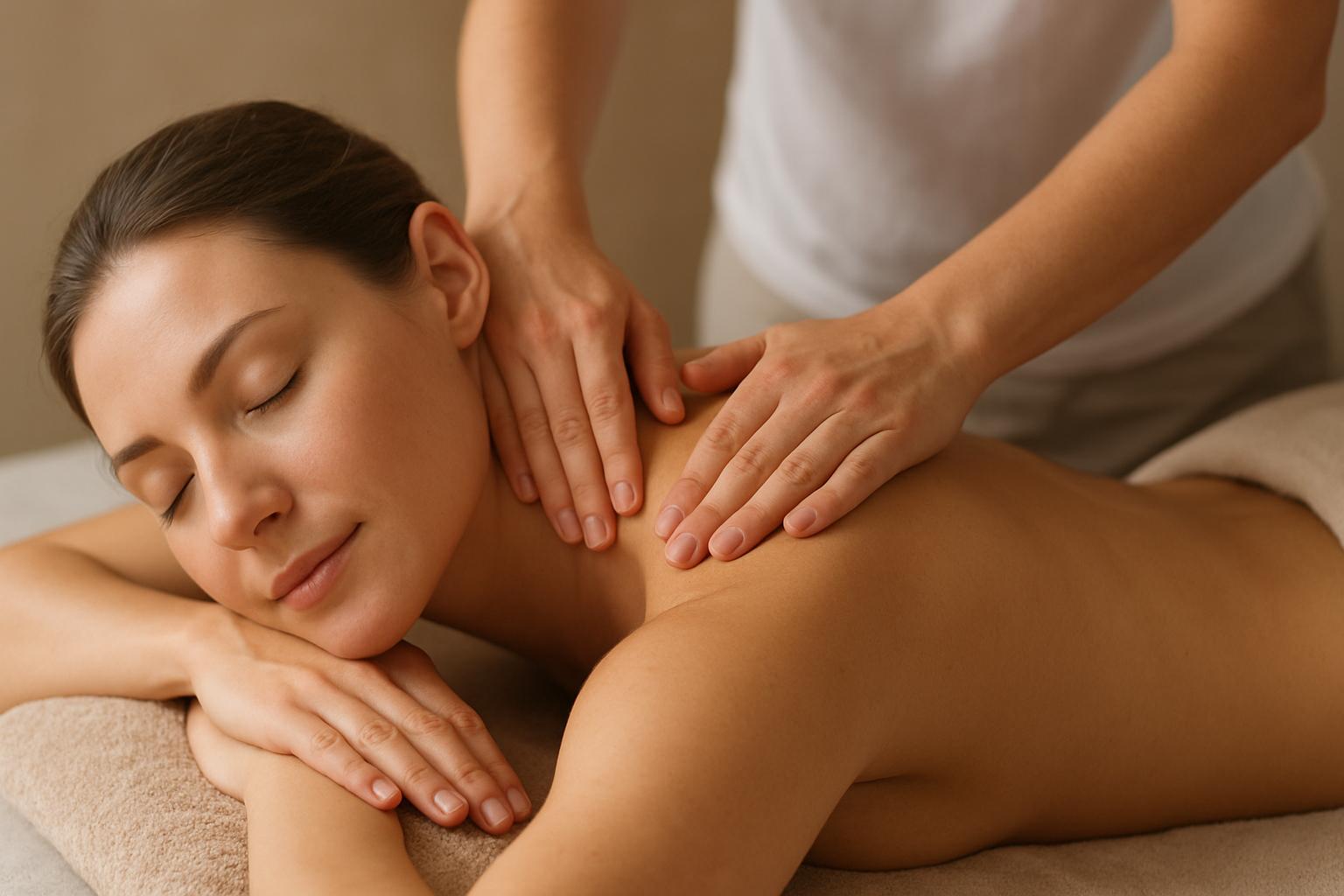
Touch stimulates mechanoreceptors in the skin and muscles, which send signals to the brain about safety and presence. Slow, rhythmic strokes tend to engage the parasympathetic nervous system—the branch that slows the heart, deepens breathing, and promotes digestion. That is literally the physiology of “rest and digest.”
Beyond nerves, massage increases local blood flow and encourages lymphatic drainage. This helps clear metabolic byproducts in muscle tissue that contribute to soreness and tension. The combined effect of neural signaling and improved circulation produces both immediate comfort and a resilience that can last hours or days after a session.
Subtle chemistry: hormones and neurotransmitters
During and after a relaxing massage, the body often lowers cortisol (a stress hormone) and releases oxytocin and endorphins—molecules linked to bonding and mild analgesia. Those chemical shifts explain why many people feel mellowed and lightly euphoric after a session, not merely less tense.
It’s worth noting that responses vary. Some clients experience tearful relief as muscle tension releases; others feel sleepy or energized. The diversity of reactions is normal and reflects differences in lifestyle, expectations, and where stress is held in the body.
Common types of massage and what each is best for
Not all massage styles are designed primarily for relaxation. Some focus on rehabilitation, pain control, or athletic performance. If your goal is to slow the nervous system and unwind, certain approaches are more reliable than others.
Below is a quick guide to frequently encountered styles and when to choose them.
| Massage Type | Primary Effect | Best For | Typical Session Length |
|---|---|---|---|
| Swedish | Gentle long strokes, increases circulation | General relaxation, first-time clients | 30–90 minutes |
| Aromatherapy | Essential oils complement touch | Stress, insomnia, sensory relaxation | 45–75 minutes |
| Deep Tissue | Focused pressure to release chronic tension | Persistent tightness, muscular knots | 45–90 minutes |
| Shiatsu/Acupressure | Point-based pressure to balance energy | Headaches, digestive issues, tension | 30–60 minutes |
| Reflexology | Pressure on hands/feet linked to organs | Circulation, relaxation for sensitive clients | 30–60 minutes |
Choosing between styles
If your primary aim is to switch off mentally, Swedish or aromatherapy massage is a safe bet. For stubborn, longstanding restrictions, deeper work—if applied skillfully—can free the tissues and produce a more durable sense of ease. Be clear about your needs with the practitioner: relaxation can mean soft touch for one person and strategic pressure for another.
Also consider sensory preferences. People who dislike strong scents should avoid heavily scented oils; those who panic at the thought of deep pressure should request lighter work. A good therapist will adapt.
Preparing for a session: small practices that shape big results
A relaxed massage begins before you lie on the table. Hydrating well in the hours before helps circulation and reduces muscle soreness after a session. Eating a heavy meal immediately before a massage can interfere with comfort, so choose a light snack if you’re hungry.
Arrive early. Fifteen minutes gives you time to fill out intake forms, describe recent injuries, and settle in. That calm transition reduces the brain’s “arrival stress,” allowing the first touch to be more effective than a rushed scramble would allow.
Communicating with your therapist
Share your goals and any health concerns: surgeries, blood clots, pregnancy, skin conditions, or recent injury. Tell them if you sleep easily or if you tend to dissociate during touch. If you need less conversation and more quiet, say so. Clear, brief communication at the start prevents misfires during the session.
Remember that pressure can be adjusted throughout a session. If something hurts (sharp, radiating, or nerve-like pain), speak up immediately. Pain that feels like a good stretch is different from pain that signals harm.
Simple self-massage techniques and micro-routines
You don’t need a spa to access the benefits of massage. Small, regular practices can add up to meaningful change. The following techniques work at home, at a desk, or in brief pockets of time between tasks.
- Neck and upper shoulders: Use fingers to make slow circular motions at the base of the skull and along the top of the shoulders. Pause on tender spots and breathe into them for 30–60 seconds.
- Hands: Squeeze each finger base, then roll the palm with the thumb. Hand massage improves circulation and is surprisingly calming.
- Feet: With a tennis ball or foot roller, press into the arch and roll slowly. Even five minutes loosens the entire kinetic chain.
- Jaw release: Place middle fingers on the back molars and open and close the mouth gently. Follow with slow, downward strokes along the jawline.
For a quick workplace reset, try a 10-minute sequence: seated spinal twist for mobility, shoulder rolls to release traps, and three minutes of diaphragmatic breathing while massaging the neck. The combination of movement, touch, and breath resets the sympathetic nervous system enough to return you to work with clearer focus.
Safety, contraindications, and when to seek professional care
Massage is generally safe, but there are situations that call for caution. Recent fractures, active infections, deep vein thrombosis, uncontrolled hypertension, and certain skin conditions are reasons to delay or modify massage. Pregnant clients should seek therapists specifically trained in prenatal work.
If you have chronic pain that worsens with massage or new neurological symptoms (numbness, tingling, weakness), consult a physician before receiving more sessions. A conscientious therapist will refer you when a condition falls outside the scope of manual therapy.
Aftercare to prolong benefits
Simple aftercare increases the longevity of relaxation: drink water, avoid strenuous exercise for a few hours, and allow yourself to move slowly back into activity. Short naps after a calming session are not uncommon; if you don’t want to sleep, plan a peaceful transition—gentle walking, warm tea, or light reading—to maintain the nervous system shift.
If soreness arises, it is usually mild and brief. Contrast (alternating warm and cool showers) and gentle stretching help. If soreness persists beyond 48 hours, contact your therapist for advice.
Integrating massage into a balanced routine
Massage can be a powerful tool but is most effective when paired with other habits. Sleep, regular movement, nutrition, and stress management amplify the benefits of bodywork. Think of massage as a tuning session that makes it easier to practice those other habits—not a substitute for them.
Frequency depends on needs and budget. For acute stress or tightness, weekly sessions for a month can create momentum. For maintenance, monthly or biweekly visits keep tension from returning. At-home self-massage fills the gaps and reinforces progress between professional sessions.
Practical tips for busy people
Schedule sessions like you would any important meeting: put them on the calendar and treat them as non-negotiable. If time or cost is limited, shorter sessions focused on problem areas (30 minutes) or alternating professional sessions with guided self-care can sustain relaxation without breaking the bank.
Consider workplace wellness programs, community clinics, or student-run clinics that offer reduced rates. Group settings—like yoga studios that host periodic chair massage—can provide snapshots of relief when you can’t commit to a full appointment.
Takeaways: quick rules to make massage work for you
- Be specific about your goal: mental quiet, sleep support, or muscular release will shape the type of massage you choose.
- Communicate health history and comfort preferences clearly with your therapist before the session.
- Use simple self-massage routines daily—small habits compound into real change.
- Pair massage with breath work and gentle movement for longer-lasting results.
- Respect aftercare: hydrate, move mindfully, and give yourself time to integrate the effects.
Conclusion
Massage for relaxation is not a luxury reserved for special occasions; it is a practical, science-backed tool that recalibrates the nervous system, eases muscular patterns, and creates space for better sleep and clearer thinking. Whether you choose professional sessions, short self-massage rituals, or a mix of both, the key is consistency, honest communication with your practitioner, and pairing touch with other supportive habits so the calm you get on the table becomes the calm you carry into the rest of your life.