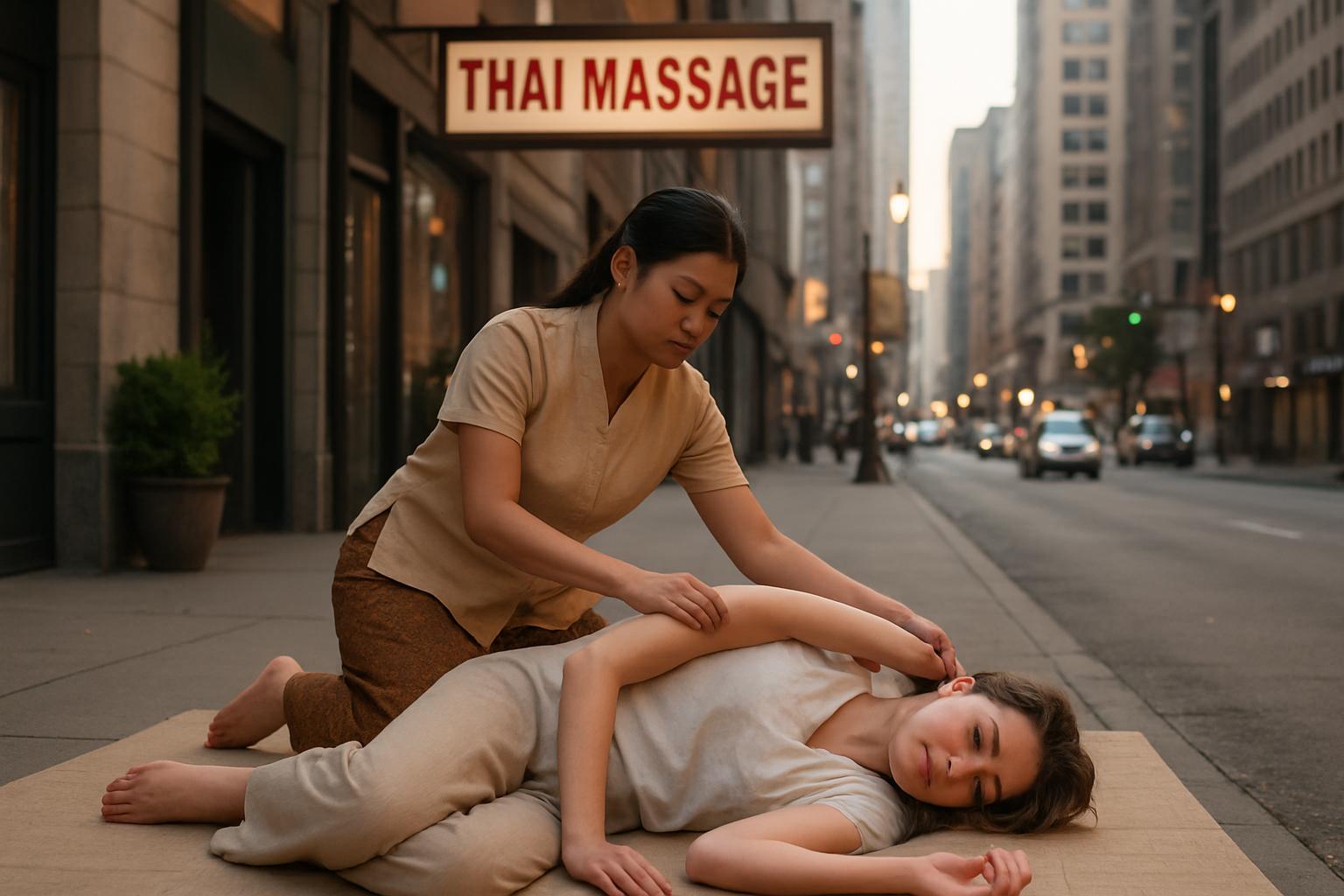

What Is Thai Massage? A Practical Introduction
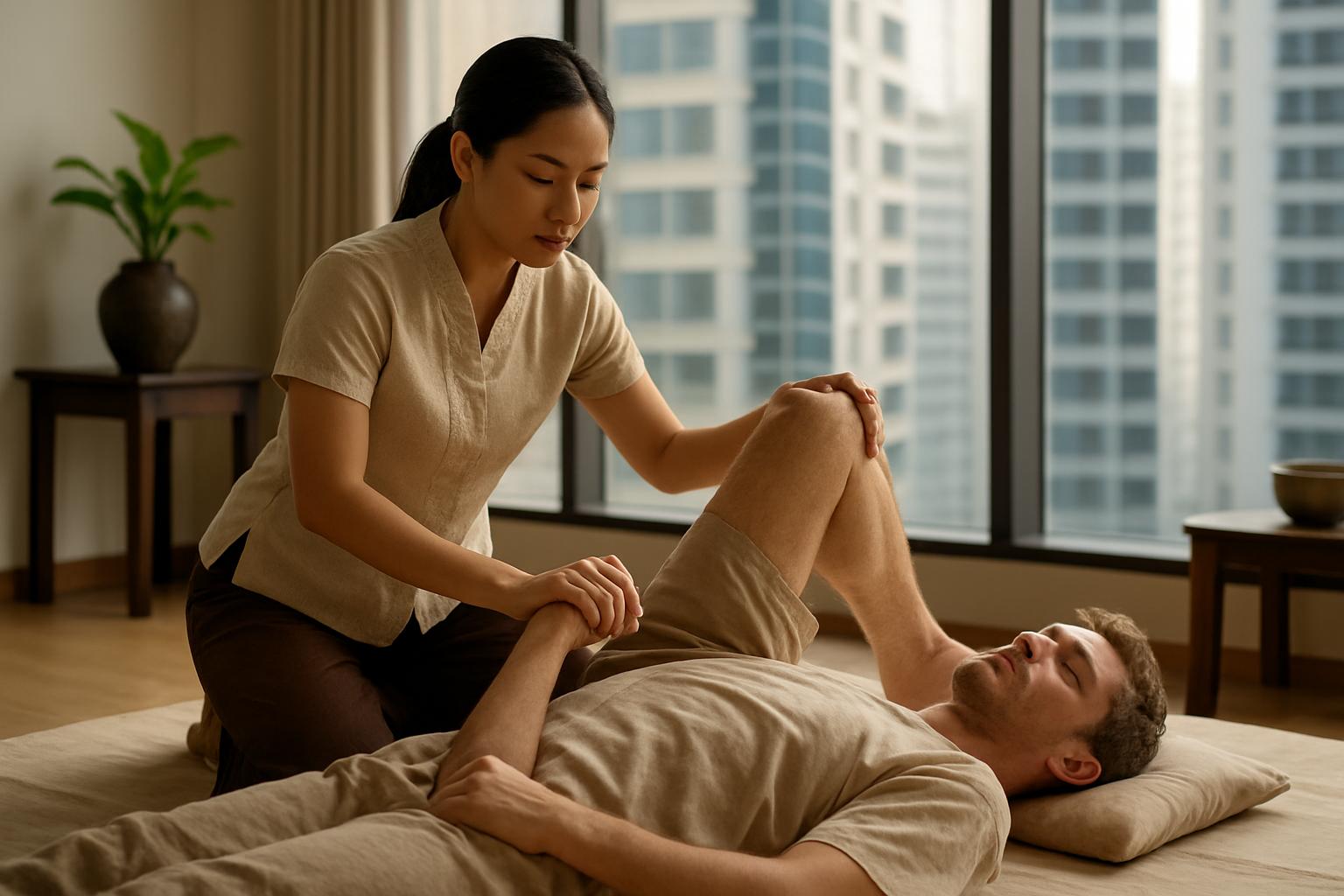
Thai massage is often described as a blend of assisted yoga, acupressure, and deep rhythmic pressing. Unlike many Western styles that rely heavily on oil and passive lying, Thai massage typically uses clothing-friendly stretches, palms, thumbs, elbows and sometimes feet to mobilize joints and release tension.
Historically rooted in Southeast Asian healing traditions, the technique has evolved into several forms. In a downtown studio you’re more likely to encounter a pragmatic mix: traditional stretches and pressure work adapted to the fast pace of city life. Think of it as functional maintenance—less pampering, more tuning your body to move efficiently again.
Why Downtown? The Appeal of Urban Thai Spa Culture
There’s a logic to finding a Thai massage downtown. Cities concentrate people, long commutes, and repetitive postures—three factors that make the back, hips and shoulders complain. A centrally located studio becomes a convenient pit stop for workers, tourists and residents who need quick repairs between meetings or after a long flight.
Downtown studios often reflect that convenience. You’ll find a range of offerings: short express sessions for a lunch break, extended therapeutic treatments after a long week, and specialized add-ons like footwork or cupping. Many places blend modern cleanliness and scheduling software with traditional techniques—appealing to urbanites who want authenticity without friction.
What to Expect During a Session
Going into a Thai massage downtown shouldn’t feel intimidating. Most studios provide a short intake where you explain pain points and any medical history. The therapist uses this to tailor pressure, stretches and focus areas. If the therapist suggests positions or movements that are unfamiliar, you can always ask for clarification.
Sessions commonly take place on a firm mat on the floor or on a massage table. You’ll usually wear loose, comfortable clothing—no need for oils unless you booked an oil variant. Communication is key: therapists expect you to speak up if pressure is too intense or if a movement hurts.
Typical Session Flow
- Arrival and check-in; brief health questionnaire.
- Consultation with therapist about areas of concern.
- Warm-up stretches and rhythmic palm-and-thumb work.
- Targeted work on shoulders, hips, legs, and feet.
- Cool-down and brief aftercare advice.
Duration options are flexible. Downtown studios often offer 30-, 60- and 90-minute sessions. Short sessions tend to focus on the neck, shoulders and upper back—popular for office workers—while longer appointments allow for full-body sequencing and more restorative openings.
Types of Thai Massage You’ll Find Downtown
Modern urban studios typically offer a menu rather than a single style. Knowing the differences helps you pick the right treatment for your goal—relaxation, pain relief, mobility, or a quick tune-up before a run.
Traditional Thai (Nuad Boran)
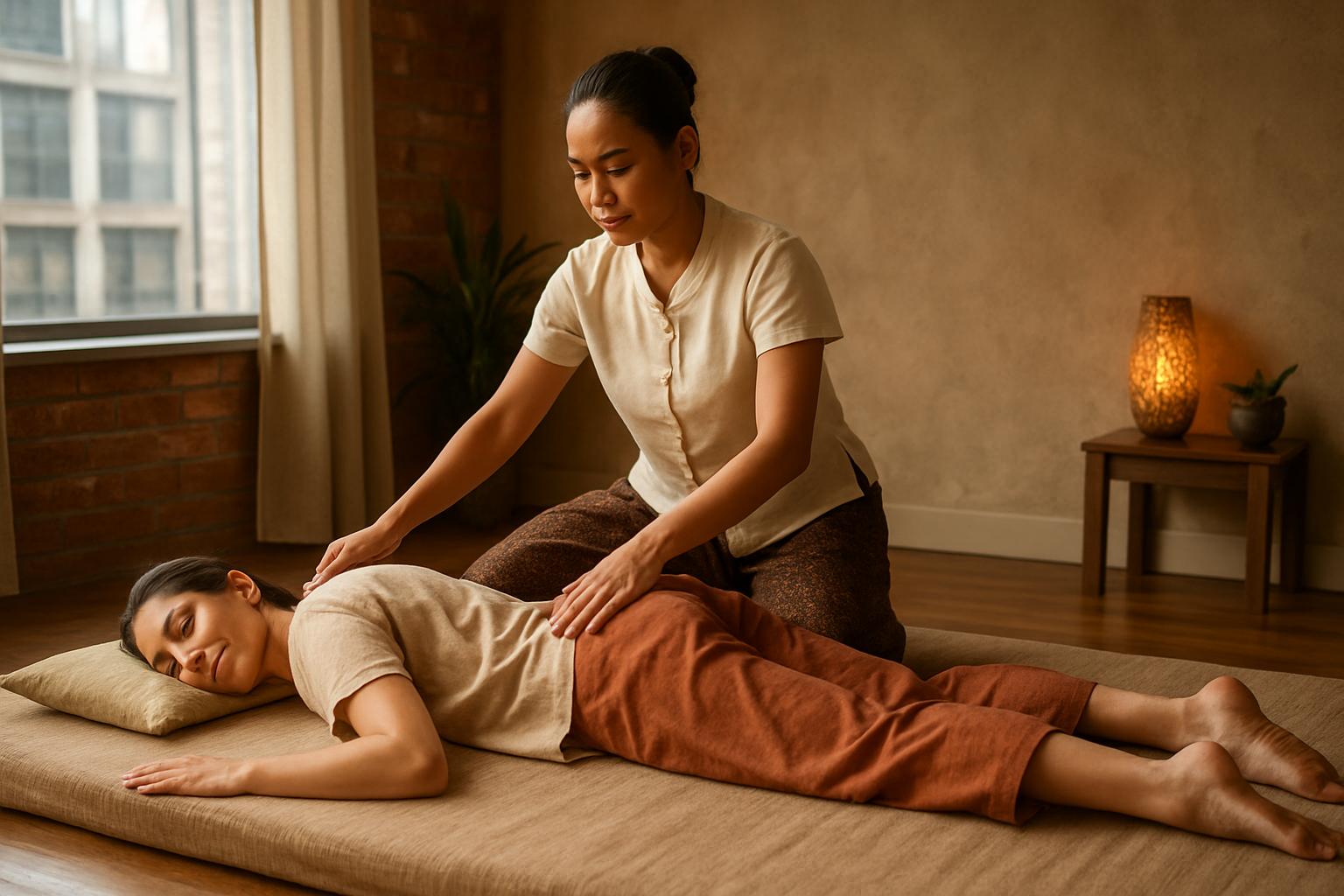
Traditional Thai, or Nuad Boran, follows an energetic map of the body with sequences of stretches and pressure along established lines. It’s meditative and methodical, often performed without oil.
For downtown clients, this is a good option when you want comprehensive mobility work—especially if you spend the day seated or on your feet.
Thai Oil Massage
When relaxation is the priority, Thai oil massage blends the stretch-based approach with warmed oil and longer strokes. It can be gentler and better suited to those who prefer smoother transitions rather than deep pressure.
People booking a post-flight treatment or a weekend unwind often choose this variation.
Foot and Reflexology Treatments
Footwork remains a huge draw in urban settings. Foot massages are efficient: you can address systemic tension through reflex points in a 30-minute session and return to work refreshed.
In downtown locations, foot treatments are popular for shoppers, delivery workers and anyone who spends a lot of time walking on hard surfaces.
Sports and Therapeutic Thai Massage
Therapists trained in sports-oriented Thai massage focus on pre- and post-event mobility, targeted muscle release, and injury prevention. They use firmer pressure and might integrate techniques like assisted stretching and friction work.
Runners, cyclists and gym-goers who live downtown often choose this for performance maintenance and faster recovery.
How to Choose the Right Downtown Studio
Selecting a downtown studio is a mix of practicalities and personal preference. Proximity matters—saving commute time increases the chances you’ll actually keep appointments. But atmosphere, cleanliness and therapist skill are equally critical.
Look beyond glossy photos. Read reviews focused on consistency, not just the occasional glowing one-off. Seek studios that list therapist qualifications and offer a clear menu with prices and durations. Transparency on these basics shows professional standards.
- Check credentials and training—especially for therapeutic or sports-focused sessions.
- Confirm hygiene practices and mattress or table cleaning routines.
- Ask whether therapists specialize in certain conditions (e.g., sciatica, shoulder impingement).
- See if the studio offers introductory discounts or package deals for regular clients.
| Type | Typical Length | Typical Pressure | What to Wear | Best For |
|---|---|---|---|---|
| Traditional Thai | 60–90 minutes | Medium to Firm | Loose pants/top | Mobility, chronic tightness |
| Thai Oil | 60–90 minutes | Light to Medium | Underwear or provided robe | Relaxation, stress relief |
| Foot Massage | 30–45 minutes | Medium | Keep socks removable | Quick recovery, circulation |
| Sports Thai | 60–90 minutes | Firm | Shorts/tight athletic wear | Injury prevention, performance |
Safety, Contraindications, and Communication
Thai massage can be profoundly effective, but it’s not always suitable. People with uncontrolled high blood pressure, certain cardiovascular conditions, recent fractures, deep vein thrombosis, or open wounds should consult a medical professional before booking. Pregnant clients should seek therapists with prenatal training.
Good therapists ask questions and adapt. If a movement causes sharp pain, that’s a signal to stop or modify. Pain that feels like stretching and then resolves is different from jarring or stabbing pain—communicate clearly about what you feel.
Downtown studios that prioritize client safety will offer modifications for mobility limitations and provide clear aftercare advice, such as hydration, gentle movement and avoiding heavy lifting immediately after an intense session.
Practical Tips for Getting the Most from Your Visit
Think of a downtown Thai massage like a tune-up; the benefits deepen when you follow a few simple rules. Hydration helps tissue recovery. Arriving a few minutes early reduces rush and lets you settle mentally. Wear flexible clothing unless you requested oil; that makes movement easier for both you and the therapist.
Regularity matters more than occasional extravagance. A monthly session can maintain mobility, while weekly or biweekly visits may be necessary for athletes or people managing chronic pain. Experiment to find a cadence that fits your body and schedule.
- Book with clear goals—relaxation, mobility, or pain relief—and tell the therapist.
- Bring a list of medications and recent medical history if you have concerns.
- After the session, move gently and give yourself 24 hours before intense exercise.
- Consider a short follow-up note to the therapist if a technique felt especially helpful or painful; it improves subsequent sessions.
Real-World Examples: How Downtown Clients Use Thai Massage
An events manager in a busy arts district finds 45-minute lunchtime sessions essential for keeping shoulders and neck functional during back-to-back shows. She books the same therapist so patterns of tension are noticed and addressed over time.
A courier who navigates the city on foot alternates foot reflexology with longer traditional sessions. The combination reduces swelling and improves stride efficiency, making deliveries less taxing on knees and lower back.
Two friends use an evening couple’s Thai oil massage as a ritual to decompress after a hectic week. For them, the downtown location’s late hours and relaxed environment are the biggest draws.
How Much Should You Expect to Pay?
Prices vary by city and studio quality. Downtown rates tend to be higher than neighborhood shops due to rent and operating costs. Typical ranges might be $40–$80 for a 60-minute session in many urban centers, with premium studios charging more. Look for transparent pricing and ask about package discounts if you plan to return regularly.
Value isn’t always about the lowest price. Consider therapist experience, studio cleanliness and flexibility in scheduling. Paying a bit more for consistency and skill often pays off in better outcomes and fewer repeat visits for the same issue.
Conclusion
Thai massage downtown is not just a niche indulgence—it’s a practical, accessible form of bodywork that meets city life where it hurts: shoulders, hips, and cramped hamstrings. With clear communication, sensible expectations and a studio that prioritizes training and hygiene, a regular session can keep you moving better, sleeping more soundly and handling the daily grind with less ache. Try a short session first, note what helped, and build from there—your downtown life will feel easier for it.