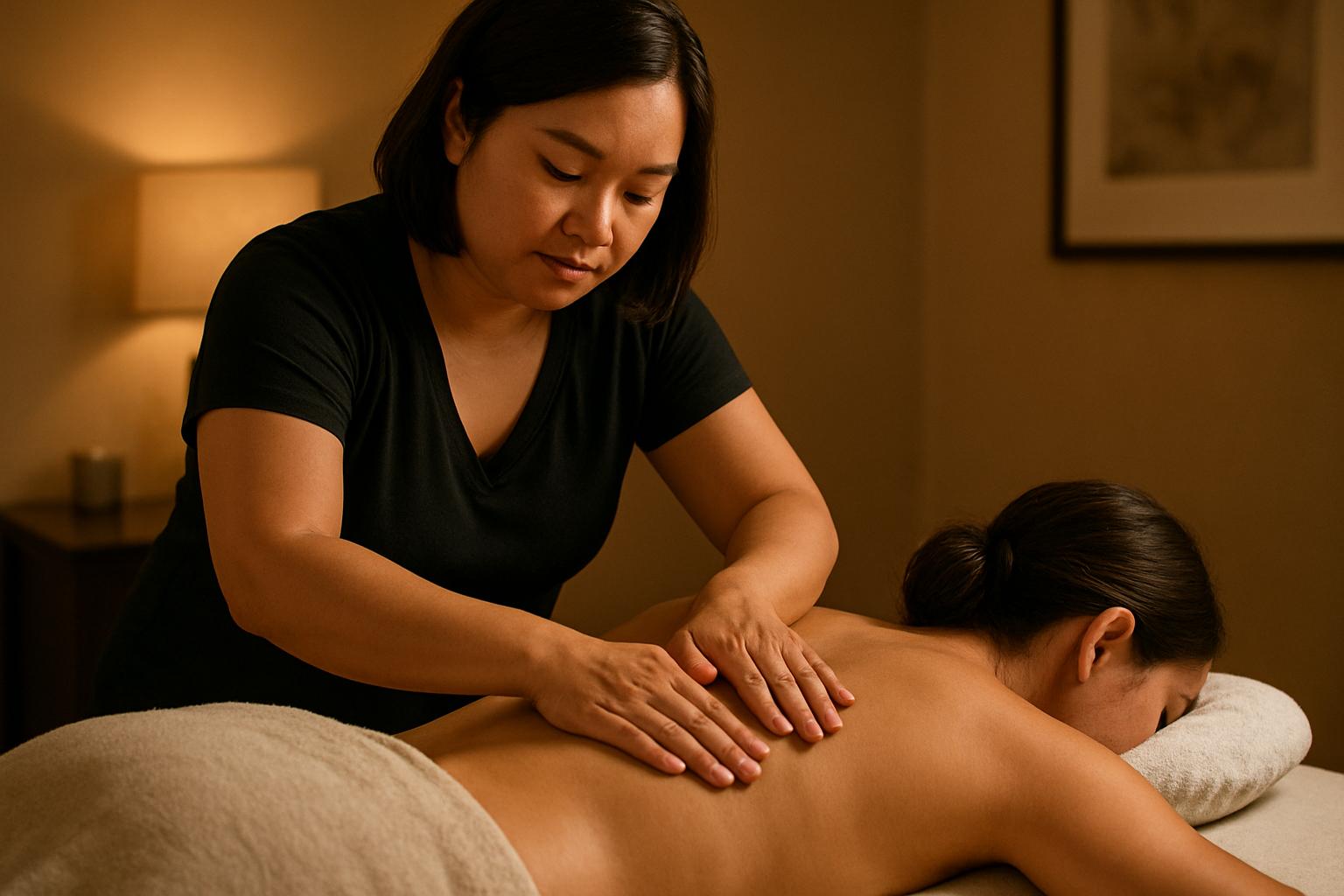

Why the phrase “body rub” creates confusion

The words “body rub” are simple, but the meaning behind them varies depending on context, tone and location. In everyday speech it can refer to a therapeutic massage, a muscle-relief treatment, or a casual way to say “rub out a sore spot.” In the commercial marketplace, however, the term is often used ambiguously—sometimes deliberately—to attract clients while blurring distinctions between legitimate therapy and illicit activity.
That ambiguity matters because it affects how you choose a provider, what protections you can expect, and whether services are lawful in New Jersey. Understanding the difference between a licensed massage or bodywork clinic and an unregulated operation is the first step toward making informed decisions about your health and safety.
Understanding the legal landscape in New Jersey
Massage and bodywork in New Jersey are regulated professions. The state licenses practitioners and sets standards for education, hygiene and professional conduct through a licensing body under the Division of Consumer Affairs. Legitimate therapists must meet specific training hours, pass exams, and display a valid license.
Parallel to that framework are criminal laws that make prostitution and commercial sex acts illegal. When a business advertises ambiguous “body rubs” and offers sexual services in exchange for money, it risks violating both licensing rules and criminal statutes. That’s why many consumers—especially those new to a city or area—need simple ways to tell whether a place is a reputable therapy clinic or something else.
What licensing implies
A valid license signals more than technical competence. It means the practitioner is accountable to a state board, must follow recordkeeping and sanitation rules, and can be disciplined for misconduct. If something goes wrong—poor technique, an injury, or boundary violations—you have a defined complaint path through the state’s consumer protection apparatus.
Licensing also limits scope of practice. Licensed therapists usually practice techniques used to relieve pain, improve mobility, and reduce stress. Sexual activity is explicitly outside the professional scope and will trigger disciplinary or criminal actions if it occurs during an advertised therapeutic session.
Spotting reputable providers: practical checks
Start with the basics. A legitimate business typically lists a business name, physical address, staff credentials and contact details. Their marketing will discuss techniques (Swedish, deep tissue, sports massage, myofascial release), session lengths and prices. If the language focuses on “sensual,” “private,” or “extras” rather than specific therapeutic goals, treat it as a red flag.
Here are concrete checks to run before you book:
- Verify the therapist’s license via the New Jersey Division of Consumer Affairs license verification tool. Confirm the name and license number match the person you’ll see.
- Call the clinic and ask about qualifications, education, sanitation policies and what to expect during the session. Legitimate operators welcome these questions.
- Read reviews across multiple platforms—Google, community forums, and local health directories. Look for consistent remarks about technique and professionalism rather than comments that suggest sexual services.
- Note the booking and payment process. Reputable clinics accept card payments, provide printed receipts, and don’t insist on cash-only, mysterious deposits or third-party payment apps that obscure payments.
What to ask during booking
When you call or message a provider, specific questions help set expectations and create a record. Ask about the practitioner’s training, the modality they’ll use, duration of the treatment, cancellation policy, and whether draping will be used. If the answers are vague or evasive, choose a different provider.
Also clarify boundaries up front: tell the therapist if you have sensitive areas, injuries, or medical concerns. A responsible practitioner will explain contraindications and adapt the session accordingly.
Health, safety, and ethical standards
Therapeutic bodywork is beneficial when performed by trained professionals: it can reduce chronic pain, aid sports recovery, and improve mental well-being. But safety depends on proper hygiene, clear consent and professional boundaries.
Sanitation includes simple practices—clean linens, washed hands, properly laundered towels, and sanitized equipment. Avoid places that appear untidy, reuse linens without washing, or lack private treatment rooms. If a clinic seems to cut corners on cleanliness, that’s a sign to walk away.
Consent and boundaries
Consent is central. In a legitimate therapeutic setting, the therapist explains draping (covering the client with sheets) and gets permission before working on clothed/undraped areas. Any suggestion that the client must remove all clothing without a medical reason, or that the therapist will do anything beyond the agreed technique, should end the appointment.
Respectful dialogue matters. If a therapist pressures you to accept “extras,” attempts flirtation, or ignores a request to stop, that’s professional misconduct. Keep a record of the encounter—names, times, and copies of messages—if you later need to report the incident.
Practical pricing, tipping and what to expect
Prices vary by location and technique, but you can expect a professional massage in New Jersey to fall within a predictable range. Many clinics list rates by session length (30, 60, 90 minutes) and by modality. Tipping is customary in many settings—typically 15–20%—but never required, and never used to justify inappropriate behavior or requests.
If a price is unusually low for an “in-home” or “outcall” session, or a parlor inflates prices with mysterious “service fees,” be cautious. Transparent businesses provide clear billing and printed receipts.
Examples of typical fees and services
Consider two typical scenarios: a licensed clinic downtown charging $90 for a 60-minute deep-tissue massage, with online booking and card payment; and a storefront advertising “body rubs” with low cash-only rates and no staff bios. The first is more likely to be legitimate, while the second should trigger further verification before you proceed.
Red flags and steps to take if something feels wrong
Red flags include requests for cash-only payment, no posted prices or professional credentials, overly sexualized advertising, pressure to accept services outside of agreed boundaries, dirty facilities, and stories from reviews that mention coercion or human trafficking. Trust your instincts: if something feels off, leave.
If you experience or witness illegal activity—coercion, trafficking, or sexual services offered for pay—report it. In New Jersey you can contact local law enforcement, the state Division of Consumer Affairs, or hotlines that handle human trafficking reports. Provide as much detail as you can safely collect, including addresses, names, vehicle descriptions, and photos if it’s safe and legal to take them.
Safety checklist to carry with you
- Verify license and clinic address before booking.
- Keep your phone charged and share location with a friend when attending an unfamiliar place.
- Bring a card for payment; avoid cash-only venues if possible.
- Set boundaries before the session and leave immediately if pressured.
- Report suspicious or illegal activity to authorities or the Division of Consumer Affairs.
Quick-reference table: licensed clinic vs unregulated “body rub” parlors
| Feature | Licensed clinic / therapist | Unregulated parlor / ambiguous “body rub” |
|---|---|---|
| Credentials | License displayed, verifiable with state board | No verifiable credentials or fake names |
| Advertising language | Focuses on techniques, health benefits, therapy | Emphasizes “sensual,” “private,” or vague promises |
| Payment and receipts | Card accepted, receipts issued | Cash-only, unusual payment requests |
| Safety and hygiene | Clean linens, clear sanitation policies | Poor hygiene, reused linens, clutter |
| Legal risk | Low for client and practitioner when licensed | Higher risk of criminal or civil issues |
Where to get help and trustworthy resources
If you’re unsure about a facility or therapist, start with the state Division of Consumer Affairs. Their online license verification and complaint portals let you check credentials and file grievances. Local health departments can answer questions about sanitation rules and business permits.
For immediate safety concerns—illegal activity, coercion, or suspected trafficking—contact local law enforcement or national hotlines that handle human trafficking. If you’ve been harmed physically or emotionally, seek medical attention and document injuries for evidence if you decide to report the incident.
Takeaway tips for readers
Protect yourself by doing a few simple things before you book: verify licenses, ask direct questions, check reviews from multiple sources, and choose establishments that use transparent payment methods. During the visit, insist on draping, set boundaries, and leave if a therapist pressures you. These habits preserve your health and dignity while supporting legitimate practitioners who follow the rules.
Final considerations
“Body rub” as a phrase will probably remain ambiguous. That’s why knowledge matters: clear expectations, basic verification and a sense of what professional therapy looks like protect you from harm and keep the industry healthy. New Jersey’s licensing framework exists to make safe, therapeutic bodywork available—and to keep illicit commercial activity out of the legitimate space.
Conclusion
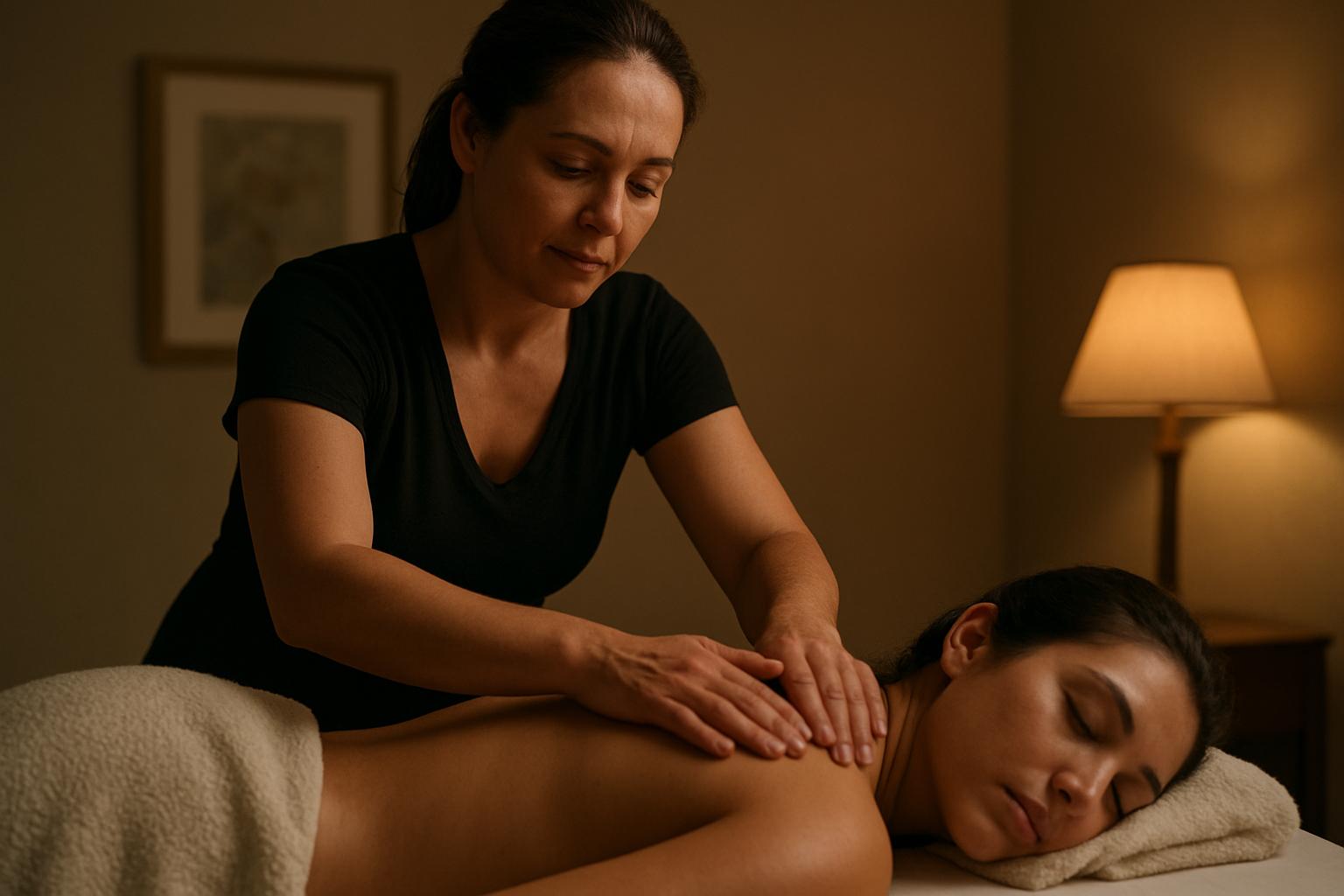
When seeking a body rub in New Jersey, favor licensed practitioners, ask clear questions, watch for red flags, and report illegal or coercive behavior; doing so keeps you safer and supports ethical, professional care.