

What people mean when they say “neru message”
“Neru” is the Japanese verb for “to sleep,” and the phrase neru message borrows that quiet, late-night gesture: a short text announcing that you are going to bed. It sounds trivial — a simple “going to sleep” or “neru now” — yet these small signals perform a surprising number of social jobs.
In everyday life a neru message can be practical, intimate, performative, or all three. It can tell a roommate not to wait up, signal affection to a partner, or politely close a conversation with a friend. The phrase is useful because it bundles time, intent, and tone into one tiny act of communication.
The social functions behind a neru message
At first glance, a neru message is logistical: “I’m off to bed.” Under the surface, it establishes boundaries. By announcing your availability (or lack of it), you set expectations for future replies. The act reduces ambiguity — you’re not ghosting, you’re signaling a temporary pause.
Beyond boundaries, neru messages can be intimacy markers. Sending a short goodnight, especially with an emoji or pet name, is a low-cost way to maintain relational continuity. Over time, those small messages stitch a relationship together: the ritual itself becomes meaningful.
How tone changes meaning
The same literal sentence can carry different emotional weights depending on punctuation, timing, and relationship context. “Going to sleep.” reads differently than “Going to sleep :)” or “Neru now — talk tomorrow.” Small additions convey reassurance, playfulness, or finality.
Timing matters too. A neru message sent at 10:30 p.m. to a colleague carries one implication; the identical message at 2:00 a.m. to a romantic partner carries another. Interpreting the tone behind the words is where most confusion, and most meaning, arise.
Examples and mini case studies
Examples help make this concrete. Below are short scenarios that show how identical messages behave differently in context.
Case 1: Roommates. Late evening, after a noisy apartment meeting, you send “Neru now.” Your roommate interprets it as “I’m done socializing” and lowers the volume. A practical boundary achieved without a conversation.
Case 2: New dating stage. After a second date, you text “Going to sleep — had a good night.” That message balances warmth and closure. It signals interest while giving the other person space to reciprocate the next day.
Variant meanings in work and group settings
In a professional group chat, a neru message feels out of place. There it often translates to “I am offline” rather than anything intimate. In that context, sending it to a team can be helpful when people work across time zones. But overuse risks appearing unprofessional if it includes casual emoji or personal details.
Group chats among friends or hobby groups, by contrast, welcome the ritual. The group neru message can be a chorus of shared humanity: dozens of small goodnights, a digital equivalent of flipping off the lights together.
Practical guidelines: when to send, when to respond

There are no universal rules for neru messages, but a few practical guidelines reduce awkwardness and increase clarity. Think about intent first: are you ending a conversation, checking in, or merely informing? Your intent should shape tone.
- Keep it short when you mean “logistics” — a plain “goner to sleep” or “neru” suffices.
- Add warmth deliberately when maintaining closeness — a name, an emoji, or a short compliment helps.
- Avoid sending a neru message to end an argument; it can feel dismissive unless paired with a time to revisit the topic.
- Consider time zones and work context — what reads as casual intimacy at home can be unprofessional in a work chat.
Responding also benefits from intention. If someone sends a simple neru message, a simple “goodnight” is polite and sufficient. If they attach emotional content, respond in kind. You don’t have to match tone exactly, but acknowledge it.
Quick response templates
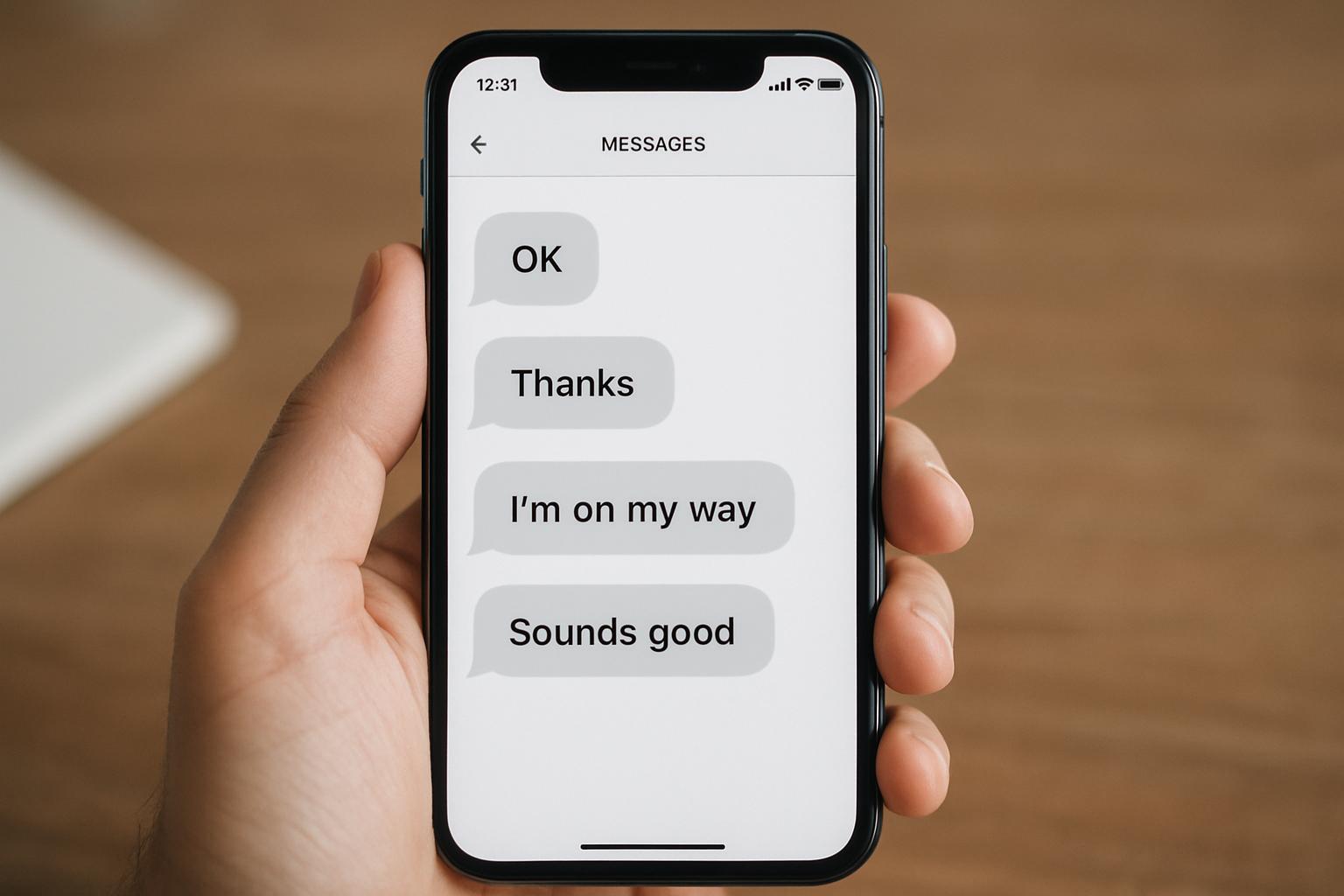
When you don’t want to think too hard, these templates do the job. Use them as starting points and tweak for personality and relationship level.
- Practical/neutral: “Night — talk tomorrow.”
- Warm/affectionate: “Sweet dreams ❤️”
- Playful/familiar: “Neru? Don’t let the bedbugs bite!”
- Boundary-setting: “I’m signing off. I’ll reply in the morning.”
- Professional/team: “Offline for the night — see messages in the morning.”
These short scripts keep communication conscious and prevent misread cues. A tiny edit — one name or one emoji — can change tone without adding length.
How platforms and culture shape neru messages
Different platforms nudge different behaviors. SMS and standard phone texts are private and often feel intimate. Group messaging apps make neru messages public and communal. Social networks that display read receipts add pressure: your neru message might be followed immediately by an expectation of a reply.
Cultural norms matter too. In some cultures, sending a goodnight is routine and expected; in others, it might be reserved for close relations. Time sensitivity varies; certain societies prize punctual overnight signaling, while others consider late-night texts intrusive.
Table: Neru message at a glance
Below is a compact summary of uses, tones, and suggested responses for common neru message scenarios.
| Situation | Typical Tone | When to Send | Good Response |
|---|---|---|---|
| Roommate/Household | Practical, neutral | When ending social time; before sleeping | “Night — thanks for hosting.” |
| Partner/Close Friend | Warm, intimate | Daily ritual or emotional check-in | “Sweet dreams, love.” |
| New Dating Stage | Polite, slightly flirtatious | After messages or dates late evening | “Had fun — goodnight.” |
| Work/Team | Neutral, professional | Across time zones or shift handoffs | “Offline for the night—will respond tomorrow.” |
| Group Chat of Friends | Playful, communal | Nightly sign-offs | “Night all!” |
Common pitfalls and how to avoid them
A few recurrent mistakes turn harmless neru messages into awkward moments. The biggest is mismatch: sending a casual neru message to someone who expected something more, or receiving a warm neru message and replying coldly. Misaligned expectations cause the most friction.
Another pitfall is using neru messages to dodge deeper issues. If a conversation needs closure beyond “going to sleep,” postpone it thoughtfully: add “let’s talk about this tomorrow” rather than merely disappearing. That preserves both boundaries and responsibility.
- Don’t signal an end to intimacy with an ambiguous or curt message when the situation calls for clarity.
- Don’t weaponize neru messages — sending them as passive-aggressive exits undermines trust.
- Avoid over-ritualizing: when every interaction reduces to a scripted sign-off, genuine engagement can suffer.
Takeaways: small messages, big effects
Neru messages are tiny performances with outsized social consequences. They can create clarity, sustain intimacy, or protect boundaries. Like any ritual, they gain meaning through repetition and context. A single “goodnight” is lightweight; hundreds of them build a pattern that tells people how you show up.
Curate your neru messaging the way you curate other small daily rituals. Be intentional about tone. Match content to context. When in doubt, add one short clarifying phrase: a name, a time to reconnect, or a simple heartfelt sign-off. The extra word pays off in fewer misunderstandings and more humane rhythms.
Conclusion
Little signals like a neru message matter because they coordinate our availability, show care, and mark transitions; used thoughtfully, they keep relationships uncluttered and clear, and used carelessly, they become noise — so send them with the small attention they deserve.