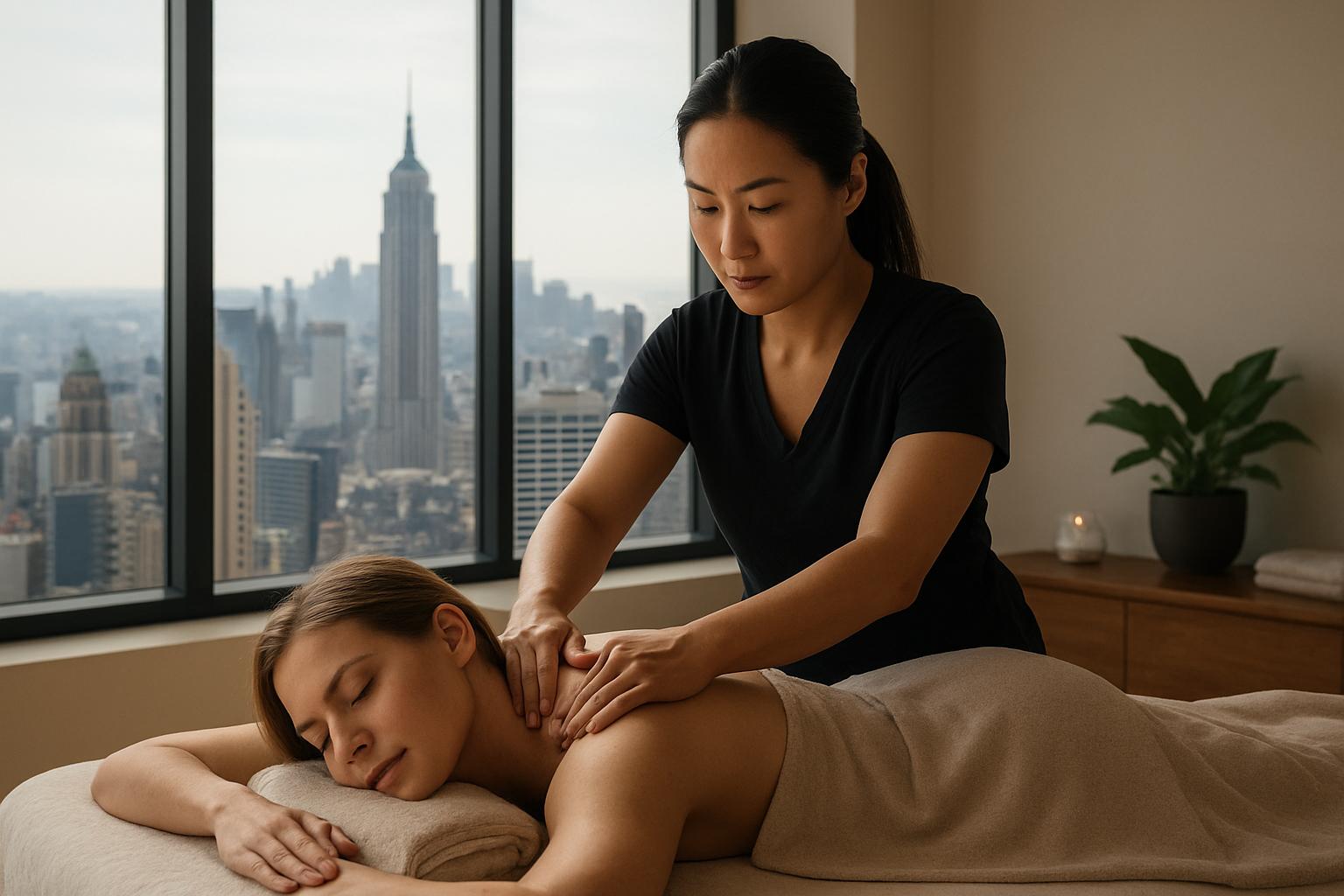

Walk through a Manhattan block on a Monday morning and you’ll pass people who look like they’ve been packed into the subway for a week. In a place that moves this fast, massage becomes less a luxury and more a small, crucial repair shop for the body. This guide will help you navigate the bustling options — from table-side deep work to ten-minute chair fixes between meetings — so you leave taller, clearer-headed, and ready to face the city again.
Whether you’re a lifelong New Yorker or visiting for a conference, knowing how to choose the right technique, studio, and etiquette matters. Read on for practical examples, straightforward takeaways, and a compact table to compare popular massage styles you’ll encounter across NYC neighborhoods.
Why New Yorkers Reach for Massage
The reasons people book a session in the city are varied but predictable. Long commutes, desk jobs, frequent lifting (strollers, groceries, suitcases), and the perpetual noise all add up. Massage addresses both the physical knots and the nervous tension that accumulate.
Beyond symptom relief, massage can be a reset button for people juggling high-pressure jobs, parenting, or both. A focused session doesn’t just loosen muscles; it reduces cortisol, improves sleep for many, and gives a mental pause that’s hard to come by here. For athletes and weekend warriors, it’s preventive care — regular maintenance that keeps you running, biking, or dancing through the weekend.
Real-world example: The Midtown Desk Worker
Picture Alex, who sits eight hours a day at a monitor. Tension migrates into the shoulders, then into persistent headaches. A 60-minute deep-tissue session twice a month, combined with short stretches at the desk, can break that pattern. The massage therapist will work on trigger points, recommend home exercises, and suggest frequency to avoid relapse.
That kind of plan — massage plus practical do-at-home steps — is the hallmark of effective care here. New Yorkers don’t always have time for extended treatments, so therapists who give concrete, quick-to-apply advice stand out.
Common Types of Massage in NYC
Studios in the city offer a wide menu. Knowing the difference saves both time and money: you’ll pick a Swedish massage when you want relaxation, and a targeted sports massage when you’re dealing with chronic tightness.
Below are the most common options you’ll find, and when each makes sense. Staff in reputable studios will ask about your goals and recommend an approach rather than assuming one-size-fits-all.
- Swedish: Gentle, long strokes for relaxation and circulation.
- Deep Tissue: Firm pressure to release chronic knots and layered muscle tension.
- Sports: Focused work, often with pre- and post-event timing, for athletes.
- Shiatsu/Thai: Point pressure and stretching; good for mobility and energy flow.
- Hot Stone: Heat-assisted relaxation for tight, stiff muscles.
- Prenatal: Safety-focused techniques for pregnant clients, with special positioning.
- Chair Massage: Short sessions for neck, shoulders, and back in a seated position.
Choosing the right type for your need
If you’re recovering from an injury, prioritize therapists with medical or sports massage training. If stress relief is your goal, Swedish or hot-stone sessions are appropriate. For the curious, combine modalities: a therapist might mix Swedish strokes with targeted deep tissue on problem spots.
Expect honest, practical conversations: a good therapist will explain why a particular pressure or technique suits you and will adjust during the session if it’s too strong or too light.
How to Choose a Studio or Therapist
Picking the right place is part detective work, part listening to your own needs. Look beyond glossy websites: read recent reviews, check the therapist’s credentials, and ask about continuing education. Licensing rules vary, but legitimate therapists will be transparent about training and experience.
Location matters, but not always in the expected way. A studio near your office might save time and make self-care consistent. On the other hand, a slightly farther boutique with excellent therapists can be worth the extra travel if it delivers better results.
Green flags and red flags
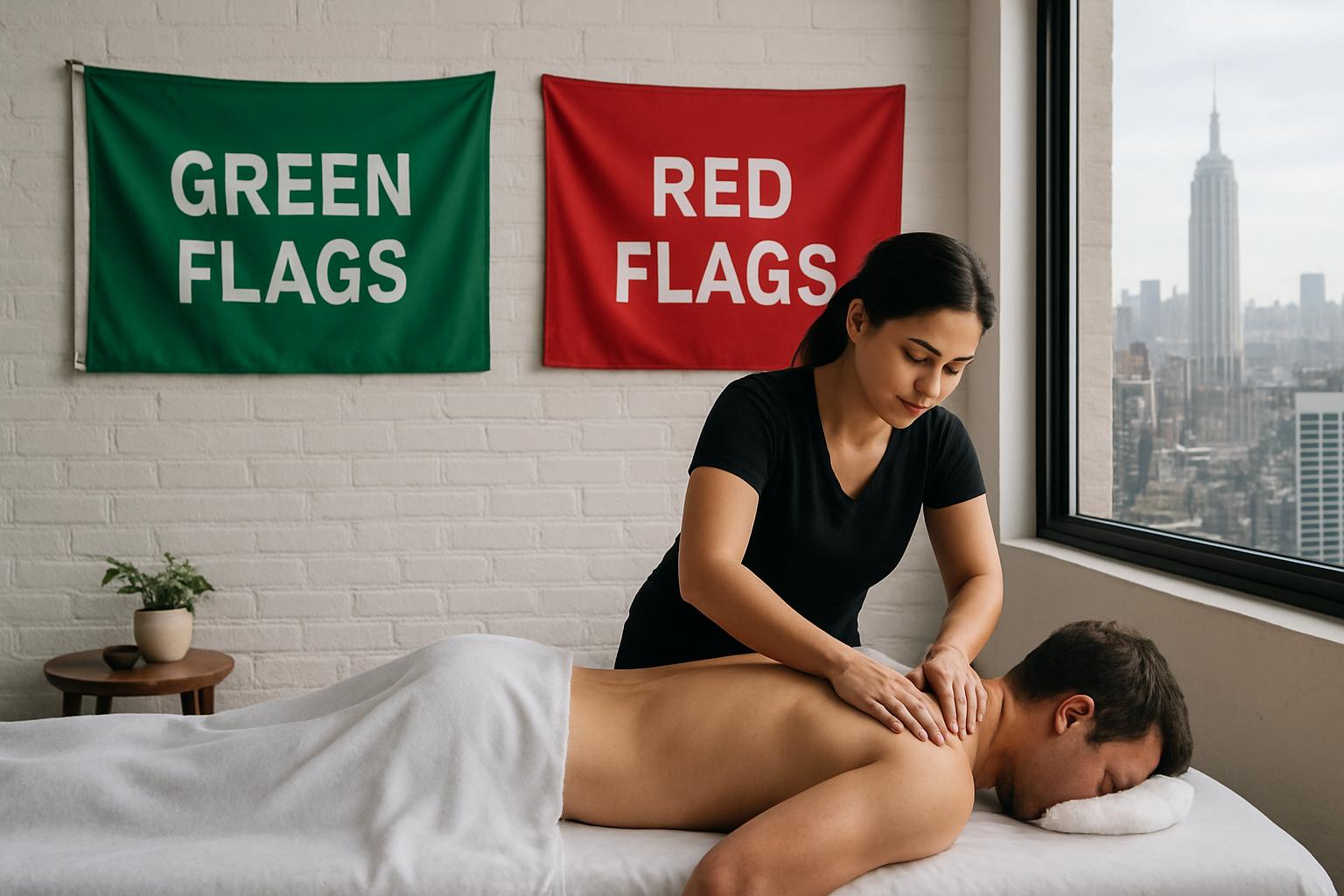
Green flags include clear pricing, an intake form, a willingness to discuss contraindications (like recent surgery), and a policy on draping and privacy. Red flags: pressure to add oils or services you didn’t request, therapists who ignore your feedback about pain, or unclear cancellation policies.
Ask about sanitary practices too. Clean linens, visible handwashing, and properly maintained equipment are basic but essential. Don’t hesitate to ask directly — professionals expect these questions and should answer them without defensiveness.
Pricing, Packages, and Booking Strategies
Prices in NYC span a broad range depending on neighborhood, therapist experience, and studio category. Expect pay-per-session prices to vary from modest boutique rates to premium prices at high-end spas. Packages and memberships can lower the per-session cost if you plan to go regularly.
Timing your appointment can save money. Off-peak slots, weekday afternoons, and first-time client specials are common. Also consider corporate or building-based wellness programs, where you might get discounted on-site sessions.
- Compare per-session rates and package deals to find the best value.
- Book ahead for nights and weekends; slots fill quickly in popular neighborhoods.
- Try a single session before committing to a package so you can assess the therapist’s approach.
| Type | Best for | Typical duration | Price range (NYC) |
|---|---|---|---|
| Swedish | Relaxation, stress relief | 30–90 minutes | $60–$180 |
| Deep Tissue | Chronic muscle tension | 30–90 minutes | $80–$200 |
| Sports | Athletic recovery | 30–90 minutes | $70–$190 |
| Chair | Quick relief at work | 10–20 minutes | $1–$2 per minute |
What to Expect During a Session
Sessions begin with a brief intake: health history, areas of concern, and goals. Good therapists will ask about recent injuries, medications, or conditions like high blood pressure. This conversation ensures safety and customization.
Draping and communication are central to a comfortable session. You control what is exposed; therapists should explain draping for modesty and effectiveness. Speak up during the massage about pressure or discomfort — therapists expect feedback.
Aftercare matters. Hydrate, avoid intense workouts immediately afterward if you had deep work, and follow any stretches or exercises suggested by the therapist. You might feel tender the next day; that’s normal after intense release, but pain that worsens or persists warrants follow-up.
Practical pre-session tips
Arrive ten minutes early to fill out forms and settle in. Avoid a heavy meal just before your session, but don’t show up hungry either. Wear loose clothing to and from the studio for comfort. If you’re using public transit, bring a water bottle — NYC sidewalks can be long after warm-up stretches left you feeling lighter.
When Massage Is Not the Answer

Massage helps many conditions, but it’s not a cure-all and can be contraindicated. If you have deep vein thrombosis, uncontrolled high blood pressure, fever, or certain skin conditions, massage may be unsafe. Pregnant people should seek therapists trained in prenatal work.
If you have unexplained swelling, severe pain, or neurological symptoms like numbness and weakness, see a physician before booking a deep massage. Therapists will often refer you back to medical care when massage could mask a more serious issue rather than treat it.
Use massage as part of a coordinated plan: for chronic problems, combine therapy with movement work (physical therapy, pilates, or targeted strength training) for lasting change.
Trends Shaping Massage in the City
New York’s wellness scene evolves quickly. Mobile therapists come to apartments and offices, making it easier to fit care into tight schedules. Boutique studios offer themed experiences — from aromatherapy to infrared heat — appealing to clients who want both results and ambiance.
Technology is finding a foothold too: percussive devices, infrared saunas, and digital booking platforms make visits smoother. Expect workplaces to expand offerings, with short, targeted chair sessions becoming part of employee wellness packages in many companies.
What to try if you want something different
If you’re curious about complementing massage, consider lymphatic drainage after surgery recovery, or a session integrating breathwork to amplify relaxation. For persistent mobility problems, look for therapists who collaborate with movement specialists — the combination can accelerate progress.
Conclusion
Massage in NYC is practical care disguised as indulgence: targeted sessions, accessible shops, and savvy therapists make it a realistic, effective tool for anyone living in a fast city. With a little research — check credentials, understand a studio’s policies, and communicate your goals — you can turn a single session into a sustainable habit that helps you move and think better in the city that never stops.