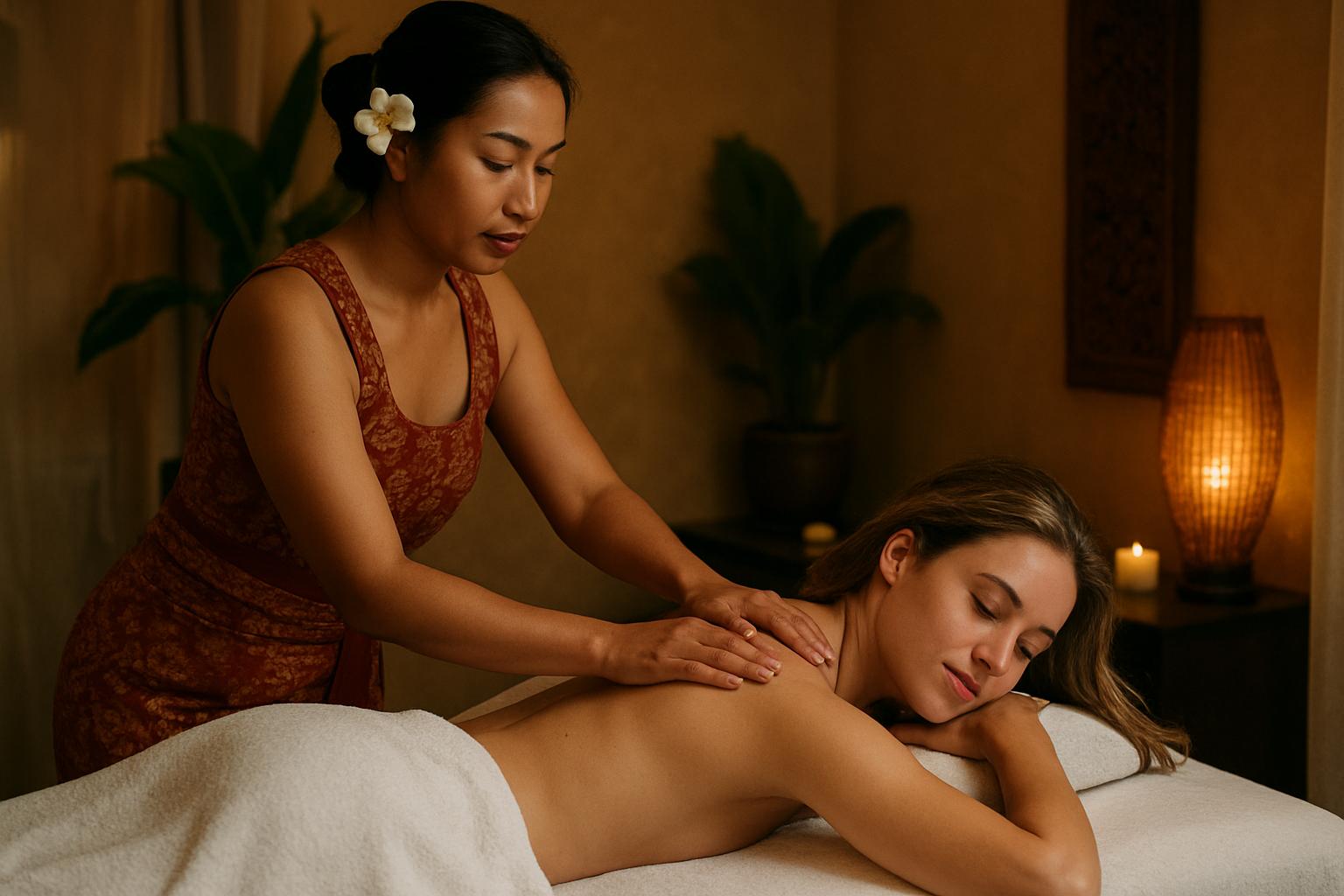

New York’s massage scene moves at its own rhythm—fast, inventive, and sometimes mysterious. When people talk about “exotic massage” in a city like this, they mean different things: unusual techniques, spa atmospheres that flirt with the theatrical, or services that promise a heightened sense of relaxation. The phrase can be alluring, but it also raises practical questions: what should you expect, how do you spot a reputable place, and how do you protect your time, money, and safety?
This guide cuts through the noise. I’ll explain the range of services you might encounter, practical booking tips, legal and safety considerations, and sample itineraries so you can enjoy an evening—whether you want an adventurous spa experience or a quietly restorative session.
What «Exotic Massage» Can Mean in New York
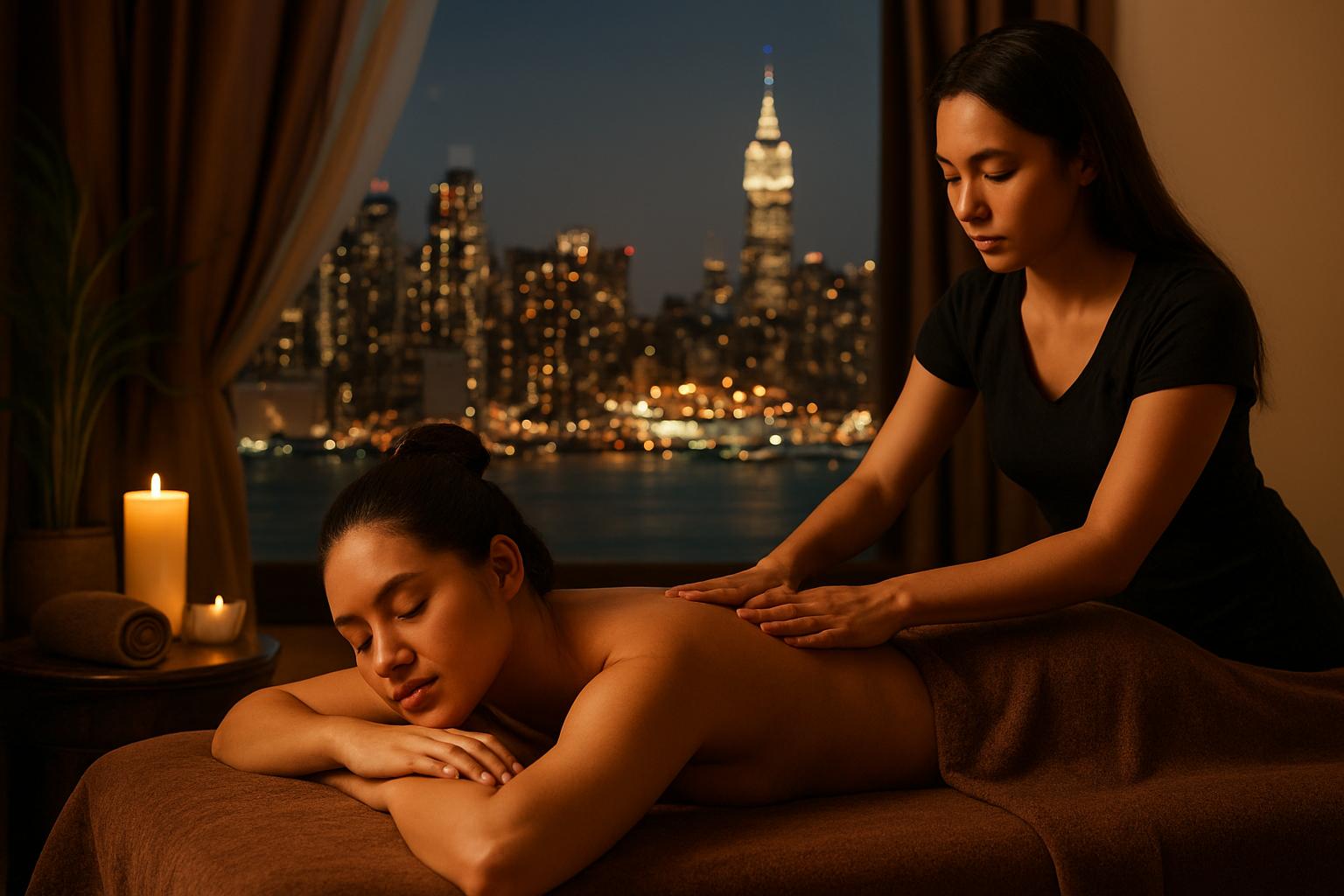
«Exotic» is a marketing word more than a clinical one. In practice, it’s used by venues to suggest novelty or sensual ambiance rather than a single set of techniques. In New York you’ll find everything from massages that incorporate uncommon oils and aromatherapy blends to treatments borrowing from Asian or South American traditions.
Some places emphasize theatrical elements: candlelit rooms, signature music, ritualistic sequences. Others offer hybrid techniques—mixing Swedish stroke patterns with deep-tissue work, or pairing Thai stretching with elements of hot stone therapy. The key is that «exotic» signals a departure from a basic 60-minute Swedish massage, not necessarily anything illicit or unsafe.
Because the term is elastic, it’s important to read descriptions closely and ask direct questions before you book. Labels can be vague, and what one spa calls “sensual” another may advertise as purely therapeutic. Your expectations should be explicit from the start.
Finding Reputable Venues in New York
Start with clear signals: a business with a stable address, visible storefront or professional website, and transparent service menus. Reputable spots will list qualifications—board certifications, years of experience, or affiliations with recognized massage organizations. If a place feels secretive about credentials, that’s a yellow flag.
Online reviews can help, but treat them as one data point. Look for detailed reviews that mention therapist names, techniques used, and the booking process. Photographs of treatment rooms and staff bios add credibility. When in doubt, call. A professional operator will answer basic questions about session length, cancellation policy, and what to expect during intake.
Referrals are gold. Ask friends, colleagues, or local wellness communities. If you’re new to the city, concierge services at hotels or reputable local forums can point you to long-standing establishments with consistent standards.
Questions to Ask Before Booking
- What qualifications do your therapists have?
- Is the session performed by a licensed massage therapist?
- What is included in the session (aromatherapy, oils, towel service)?
- How do you handle consent and client boundaries during the treatment?
- What is the cancellation and refund policy?
These questions are practical and non-confrontational. Asking them signals you expect professionalism. A good business will welcome them and provide clear answers.
Red Flags to Watch For
Trust your instincts. If a venue pressures you into add-ons, avoids discussing credentials, or has inconsistent hours and contact information, move on. Similarly, staff who answer the phone in a way that feels evasive about services offered or locations should be avoided.
Other red flags include payment by cash only (with no receipts), refusal to provide a private consultation before the session, or overly suggestive advertising that blurs the line between wellness and sexual services. These signs often correlate with poor legal compliance or safety standards.
Legal and Safety Considerations
Legal frameworks vary and enforcement can be uneven. The crucial point: commercial sexual activity is illegal, and legitimate practitioners adhere to professional codes and hygiene protocols. Operators that clearly separate therapeutic treatments from any sexualized services are safer bets.
Safety means more than legality. It includes transparent consent practices, clear draping policies, clean treatment rooms, and up-to-date hygiene standards. Ask how they sanitize equipment, launder linens, and maintain therapist training. These operational details tell you whether a business takes client welfare seriously.
If you’re ever uncertain about a venue’s legitimacy, local consumer protection offices and business registries can confirm whether a business is registered and in good standing. When in the session, always feel empowered to stop the treatment if anything makes you uncomfortable.
What to Expect During a Session
A professional session will begin with a short intake: a card or verbal form covering health history, areas of pain, and personal preferences. This conversation lets the therapist tailor the treatment to your needs and is a standard part of care.
Draping practices protect your privacy. Therapists will expose only the area being worked on and will explain when they’re moving from one region to another. If you prefer keeping certain areas covered, say so—therapists are trained to honor boundaries.
Techniques and tempo vary. Sessions marketed as “exotic” might use exotic-sounding oils, a blend of modalities, or ritualistic pacing. Expect a mix of long, gliding strokes interspersed with focused pressure points if the treatment leans toward relaxation and bodywork. The therapist should check in about pressure and comfort periodically.
Common Modalities You Might Encounter
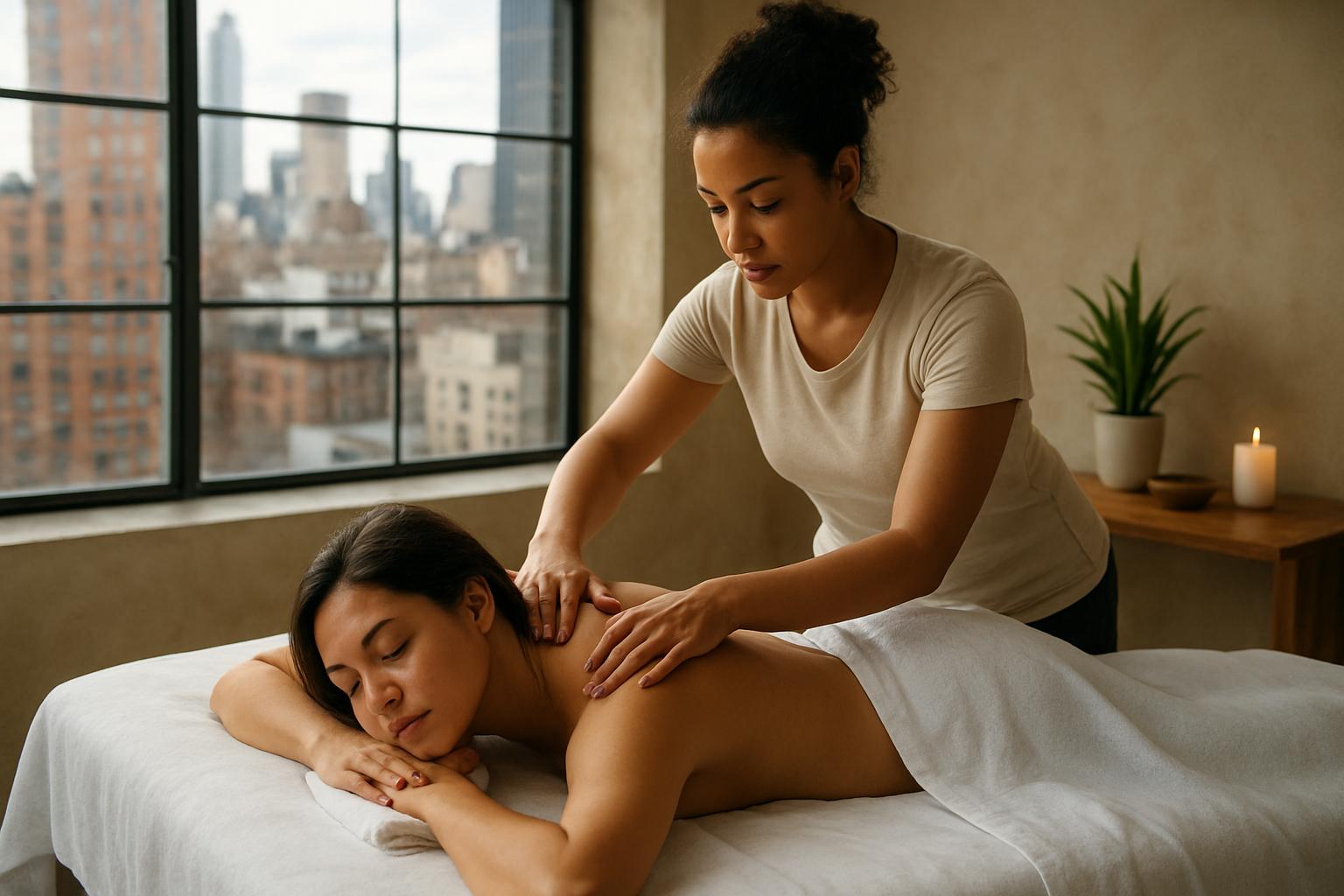
- Swedish-style relaxation strokes with enhanced aromatherapy
- Deep tissue or trigger-point work for chronic tension
- Thai or Asian-inspired stretching and rhythmic compressions
- Hot stone or warm oil sequences for deeper relaxation
- Signature rituals combining music, scent, and guided breathing
Each modality brings a different emphasis—restorative, therapeutic, or sensory. Knowing what you want helps you choose the right session length and therapist specialization.
Pricing, Tipping, and Time Management
Prices in New York vary widely depending on neighborhood, venue, therapist experience, and session length. Boutique and luxury spots command premium rates; smaller walk-in studios are more modestly priced. Expect to pay more for unique rituals, private suites, or extended sessions.
Tipping is customary for massage services in the U.S. — typically 15–25% depending on satisfaction and venue norms. Some establishments include a service charge; check your receipt before tipping extra.
Plan for an arrival time that allows for check-in and a brief intake. Many places ask you to arrive 10–15 minutes early. If you have a tight schedule, inform the operator; they can recommend a session length that fits without feeling rushed.
| Aspect | What to Check | Typical Range |
|---|---|---|
| Session Length | 60–90 minutes recommended | 30–120 minutes |
| Price | Ask about inclusions (oils, private room) | $60–$250+ |
| Credentials | CPT/therapist certification or experience | Varies—look for clear display |
| Red Flags | Cash only, evasive about services | Avoid these |
Alternatives and Complementary Options
If “exotic” feels too ambiguous, there are clear alternatives that provide novelty and credibility. Medical spas offer medically supervised treatments combined with therapeutic bodywork. Day spas provide curated experiences—scrubs, wraps, and massages—in a clearly non-sexual, well-regulated environment.
Complementary wellness options also enhance recovery and relaxation: infrared saunas to promote circulation, float tanks for sensory reduction, and guided breathwork classes to extend the benefits of a massage. Combining modalities can turn one treatment into a fuller wellness investment for mind and body.
Sample Itineraries for a Thoughtful Evening
Short on time: a 60-minute signature session, followed by a 20-minute steam or sauna, then a light dinner nearby. It’s efficient and restorative without feeling rushed.
Leisurely night out: start with an early dinner, book a 90-minute ritual at a boutique spa that includes aromatherapy, then finish with a calm drink at a quiet rooftop bar. This sequence protects the relaxed state created by the massage.
Recovery-focused day: tight muscles benefit from a deep-tissue session in the morning, followed by a guided stretch class, and then a restorative nap or gentle walk to let your body integrate the work.
Final Takeaways
“Exotic” in the context of massage in New York usually means novel atmosphere or blended techniques rather than anything illicit; aim for clarity up front, prioritize venues with visible credentials and transparent policies, and trust your instincts about safety and professionalism. With a little research and a few direct questions, you can enjoy a memorable, restorative experience that fits your comfort level and leaves you feeling refreshed.
Conclusion
Choosing an exotic massage in New York doesn’t have to be mysterious—be inquisitive, expect professionalism, and plan your visit so the experience adds value to your time in the city; done right, it can be a highlight, not a gamble.