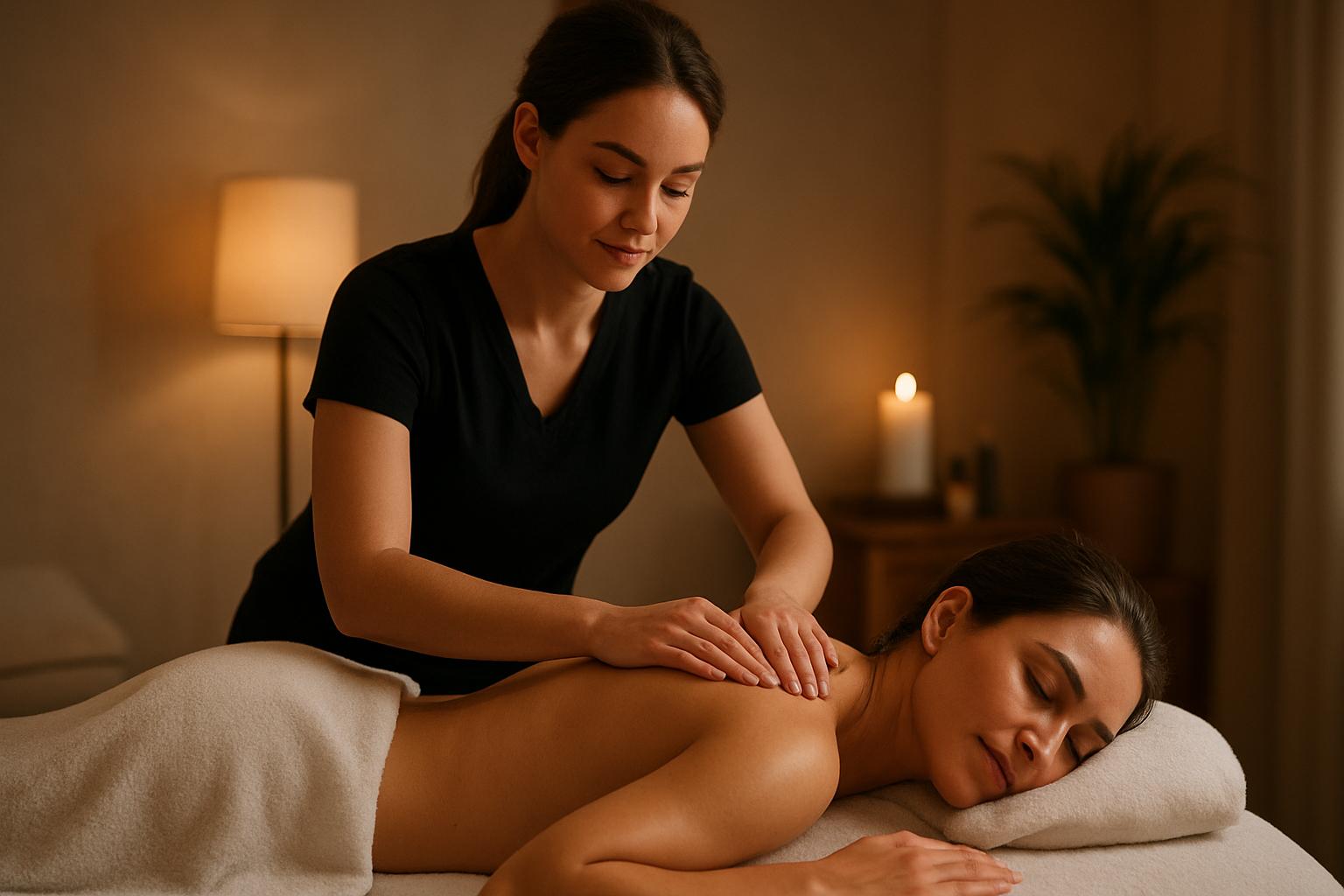

Why massage in New York deserves more than a hasty Google search
New York moves fast. Your calendar is dense, your commute is rarely smooth, and by the time you get to the weekend your neck and shoulders feel like they’ve outsourced tension to a construction crew. In a city that runs on motion and momentum, massage is less of a luxury and more of a practical reset: it restores range of motion, reduces stress, and can improve sleep without a prescription.
That said, the sheer variety of options in New York—boutique studios, medical clinics, spa hotels, street-level wellness centers—makes the search for the best massage bewildering. What you want from a session depends on whether you’re decompressing after travel, rehabbing an injury, or simply craving a restorative hour. The trick is matching intention to technique, not chasing the flashiest storefront.
What «best» really means: criteria that matter
“Best” is personal, but several objective factors make it easier to separate a restorative, effective session from a forgettable one. Start by checking the therapist’s credentials and scope: licensure, continuing education, and whether they communicate clearly about your condition and goals. A great therapist asks questions before they touch you.
Beyond qualifications, consider the environment. Cleanliness, privacy, and the quality of the table, linens, and oils all shape the experience. A cramped space or constant hallway noise undermines even the most skilled therapist. Last, factor in transparency around pricing and session length. The best places in New York are honest about what you’re getting for the time you pay for.
Technique and therapist skill
Technique is the heart of the session. Swedish massage smooths and relaxes; deep tissue addresses chronic knots; sports massage focuses on function and mobility. The difference between a good and a great therapist is subtle: they read tissue quality, change pressure dynamically, and use communication to avoid causing harm. Look for therapists who can explain why they’re using a given technique and tailor it on the spot.
Skills develop with practice and diverse training. Therapists who cross-train—continuing education in myofascial release, craniosacral work, or manual lymphatic drainage—tend to have a broader toolbox. If you have a medical condition, prioritize therapists who collaborate with physicians or physical therapists to ensure integrated care.
Ambiance, location, and convenience
Ambiance affects relaxation more than most people expect. Soft lighting, a comfortable table, and calming sound levels help nervous systems downshift. Some clients prefer minimalism and quiet; others want soothing music and aromatherapy. Decide which atmosphere helps you relax and let that narrow your search.
Location matters, too. A two-block walk from your office can make it realistic to pop in between meetings; a one-hour subway trip is less likely to become regular self-care. Consider proximity, ease of booking, and whether the studio’s hours align with your life. The best massage in NY is the one you can actually get to consistently.
Pricing, transparency, and value
Price alone doesn’t determine quality. A higher price can reflect location rent, boutique branding, or added amenities. Conversely, a modestly priced clinic may offer excellent therapeutic results. What matters is transparency: clear session lengths, add-on costs, cancellation policies, and whether gratuity is included.
Evaluate value by outcome. Ask yourself: did the session leave you less tense, more mobile, or able to sleep better? If the answer is yes, the investment paid off. Consider package deals or a short-term trial to test a therapist’s fit before committing to a long-term plan.
Types of massage you should know about in NY
New York’s diversity shows up in the range of massage modalities available. Understanding what each modality aims to do helps you pick a session that meets your objectives, whether relaxation, pain relief, or athletic performance.
Below are common styles and when to choose them. Think of this as a quick map rather than a strict taxonomy—many therapists blend techniques for a personalized session.
- Swedish massage: Long, gliding strokes for general relaxation and circulation. Best for stress relief and first-time clients.
- Deep tissue: Slower, targeted work to release chronic tension. Best for persistent knots and postural issues.
- Sports massage: Dynamic and functional, often used by athletes to prepare for or recover from events. Includes stretching and mobility work.
- Medical or therapeutic massage: Tailored to a diagnosed condition and often coordinated with healthcare providers.
- Manual lymphatic drainage: Gentle, rhythmic strokes to reduce swelling and support lymph flow—useful after surgery or for chronic edema.
- Thai and Shiatsu: Forms that incorporate stretching and acupressure, often done on a mat, emphasizing energy lines and flexibility.
- Hot stone: Heated stones augment relaxation though they’re less suited for acute inflammation.
How to find the best massage in NY: step-by-step
Start with a purpose. Are you treating pain, enhancing performance, or decompressing? Use that purpose to filter options. For pain and rehab, search for clinics that advertise medical massage or therapists who collaborate with doctors. For relaxation, look for well-reviewed day spas and boutique studios.
Next, read recent reviews but be skeptical of extremes. Detailed reviews that mention therapist names or specific outcomes are more reliable than blanket praise. Check for professional listings or memberships—state licensure, AMTA, or other recognized organizations provide some assurance.
- Identify your goal (relaxation, pain relief, recovery).
- Filter by proximity and availability—what fits your schedule?
- Scan therapist bios for modalities, years of experience, and continuing education.
- Call or email to ask two simple questions: “Which techniques would you use for my issue?” and “What should I expect after the first session?”
- Book a trial session (60 minutes is a good baseline) and evaluate results over the following 48 hours.
Quick-reference table: common modalities and when to pick them
| Modality | Primary Benefit | Best For | Typical Session |
|---|---|---|---|
| Swedish | Relaxation and improved circulation | Stress relief, first-time clients | 60 minutes; $80–$140 |
| Deep Tissue | Release chronic muscle tension | Neck/back knots, posture issues | 60–90 minutes; $100–$170 |
| Sports | Performance, injury prevention | Athletes, pre/post-event care | 45–90 minutes; $90–$160 |
| Medical/Therapeutic | Targeted pain management | Rehab, chronic conditions | 30–60 minutes; $70–$150 |
| Manual Lymphatic | Reduce swelling, support recovery | Post-op, edema management | 45–60 minutes; $90–$150 |
Red flags and what to avoid
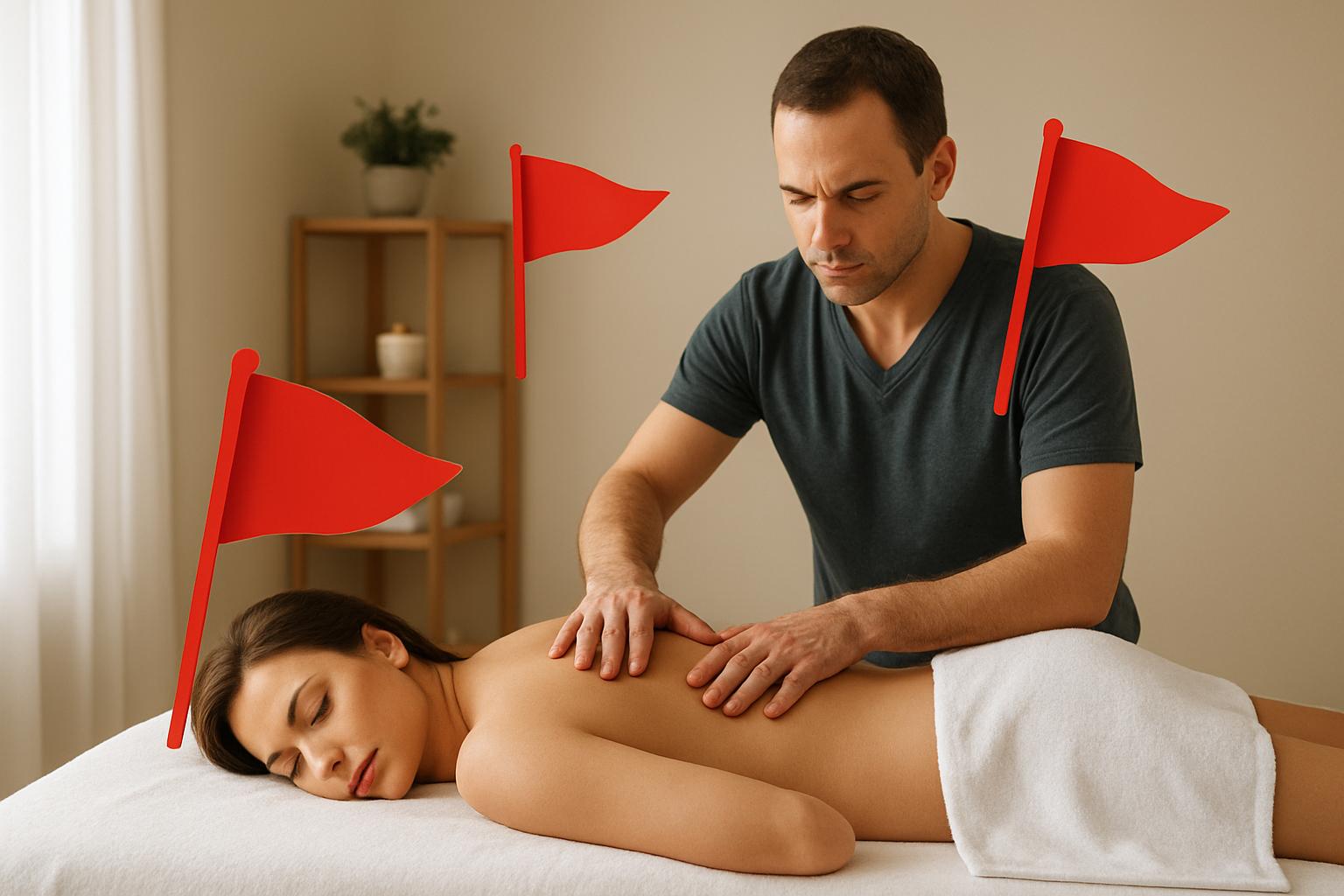
Not every massage shop in a neon-lit strip is worth your time. Red flags include therapists who refuse to discuss contraindications, places with unclear licensing, or establishments that make medical claims without credentials. If a facility is evasive about hygiene, skip it.
Also be wary of one-size-fits-all approaches. If a therapist applies the same routine regardless of your history, you likely won’t get lasting results. Trust your instincts—if something feels off during intake or the therapist dismisses your pain levels, leave and find someone more attuned to your needs.
Local realities: tailoring your choice to a New York lifestyle
New York neighborhoods each have their own wellness culture. In Manhattan, boutique studios emphasize experience and atmosphere; in Brooklyn, expect hybrid spaces that blend wellness with community programming; in outer boroughs, clinical practices entrenched in local healthcare networks offer medical-focused care. Use neighborhood dynamics to your advantage when choosing a place that fits how you live and move.
Scheduling is a practical consideration here. If you want consistent therapy for a chronic issue, book sessions on the same day each week or build them into your calendar as non-negotiables. Short, frequent sessions often outperform sporadic, longer ones for chronic pain management.
Aftercare: simple habits that extend the benefits
A good massage doesn’t end when you leave the table. Hydration, gentle movement, and purposeful stretching help tissues integrate the work. Spend five to ten minutes post-session doing light mobility work—neck rolls, hip circles, or calf stretches—to prolong relief and reduce soreness.
If the work was deep, expect some soreness for 24–48 hours. Apply heat for muscle tightness and ice for any sharp inflammation. If pain persists beyond what feels like normal post-treatment soreness, contact your therapist for follow-up recommendations or consult a medical professional.
Conclusion
Finding the best massage in NY is less about discovering a secret spa and more about matching your needs to a therapist’s skills, a studio’s environment, and a schedule you can keep; prioritize clear communication, reasonable transparency, and real outcomes, try a short trial, and let results—not aesthetics or price tags—decide whether a place is right for you.