

Defining the term: what an «elite bodyrub» is — and isn’t
“Elite bodyrub” is a marketing-turn-of-phrase you may see on boutique spa websites and in whispered recommendations among city professionals. At its best, it simply means a high-end, full‑body therapeutic session: trained practitioners, a carefully designed environment, and individualized care. Think of it as a fusion of clinical knowledge and hospitality, where massage, manual therapy and recovery science are delivered with polish and discretion.
It’s important to separate hype from reality. An elite bodyrub is not a euphemism for illicit activity; reputable providers operate under licenses, adhere to draping and scope-of-practice rules, and prioritize safety. The “elite” label primarily signals higher standards of training, amenities, and client experience—not secrecy.
Who seeks luxury bodywork, and why it matters
Clients who pursue upscale bodywork span a wide range: athletes chasing peak performance, executives managing chronic neck tension, new parents reclaiming some bodily ease, and people who simply want a reliable, restorative hour. The common thread is a desire for outcomes—improved sleep, reduced pain, or accelerated recovery—delivered in a predictable, respectful setting.
For many, the extra cost buys time, depth, and follow‑through. Sessions are longer, intake is more thorough, and therapists coordinate with other health providers when needed. That continuity and attention often convert a one-off treat into a lasting improvement in how someone moves and feels.
What elevates an elite session above a standard massage
Advanced training and clinical knowledge
Elite providers typically employ therapists with advanced certifications: orthopedic massage, myofascial release, neuromuscular techniques, or sports therapy. These practitioners don’t just follow routine strokes; they assess movement patterns, test specific muscles, and adapt pressure and modality to the client’s response.
That technical fluency matters when you need more than relaxation. A therapist who understands rehab principles can design a sequence that reduces a recurring tension pattern rather than temporarily masking it.
Environment, amenities, and the art of comfort
Luxury bodywork spaces are curated for more than aesthetics. Soundproofing, climate control, high-quality linens, and non-irritating oils contribute to relaxation and safety. Many places offer recovery add-ons—contrast therapy, infrared, or guided breathing—that amplify results without gimmicks.
Attention to these details signals a business that invests in client experience and staff retention. Those investments often translate into more consistent therapist performance and fewer surprises from one appointment to the next.
Customization and continuity
Where a standard massage might follow a standard template, elite sessions emphasize planning. You’ll often complete a detailed intake form and receive a bespoke treatment plan. Follow-up recommendations—home stretches, sleep hygiene tips, or referrals—are part of the package.
Continuity matters: seeing the same therapist over several sessions builds useful muscle memory for both client and practitioner. That familiarity lets the therapist track subtle changes and refine their approach.
Choosing a reputable provider: a practical checklist
Finding a trustworthy elite bodyrub provider takes a little research. Begin with basic credentials, then evaluate softer signals like staff turnover and client communication. The difference between a premium experience and an overblown price tag is often easy to see if you know what to look for.
- Verify licensing and certifications relevant to your region.
- Ask about therapist training and average tenure at the clinic.
- Check cleanliness, draping policy, and privacy practices.
- Request a clear scope-of-practice statement: what the therapist will and won’t do.
- Read recent reviews for recurring patterns, not single opinions.
| Factor | What to look for | Red flags |
|---|---|---|
| Licensing | State or national massage license, continuing education | No license, vague training claims |
| Cleanliness | Fresh linens, sanitized tools, clear hygiene protocols | Persistent odors, stained linens, hurried setup |
| Professional boundaries | Draping policies, written consent, clear intake process | Ambiguous policies, uncomfortable pressure to tip extra |
| Communication | Thorough intake and aftercare instructions | Minimal consultation, no follow‑up guidance |
| Pricing transparency | Clear fees, packages, cancellation policy | Hidden fees, inconsistent pricing online vs. in person |
Etiquette and expectations: how to get the most from your session
Good outcomes start with clear communication. Before the first stroke, explain your primary concerns, pain patterns, and any recent injuries. If you’re on medication or recovering from surgery, mention it—therapists can adapt pressure and technique safely only if they have the facts.
Boundaries are reciprocal: therapists should explain draping and what is and isn’t within their scope. If at any point pressure is too much or you feel uncomfortable, speak up. A competent practitioner will check in and adjust. Post‑session, follow the provided aftercare: hydrate, rest, and follow suggested stretches.
Tipping and cancellations are practical matters. Expect a fair tip for outstanding service, and review cancellation policies when booking. Elite clinics often sell memberships or packages; compare the math and the flexibility before committing.
Common modalities you’ll encounter — and when to choose them
Swedish massage
Swedish work focuses on circulation and general relaxation. Long, flowing strokes promote relaxation and are useful as a baseline session or when you’re sensitive to deeper pressure. It’s a good entry point for first‑time clients or after a period of illness when gentle touch is preferred.
Deep tissue and neuromuscular therapy
These approaches apply sustained pressure to relieve chronic knots and adhesions. They’re appropriate for long-standing tension, but can be intense; expect follow-up soreness and specific aftercare. A skilled therapist will explain expected post-session sensations and taper intensity according to feedback.
Sports and performance massage
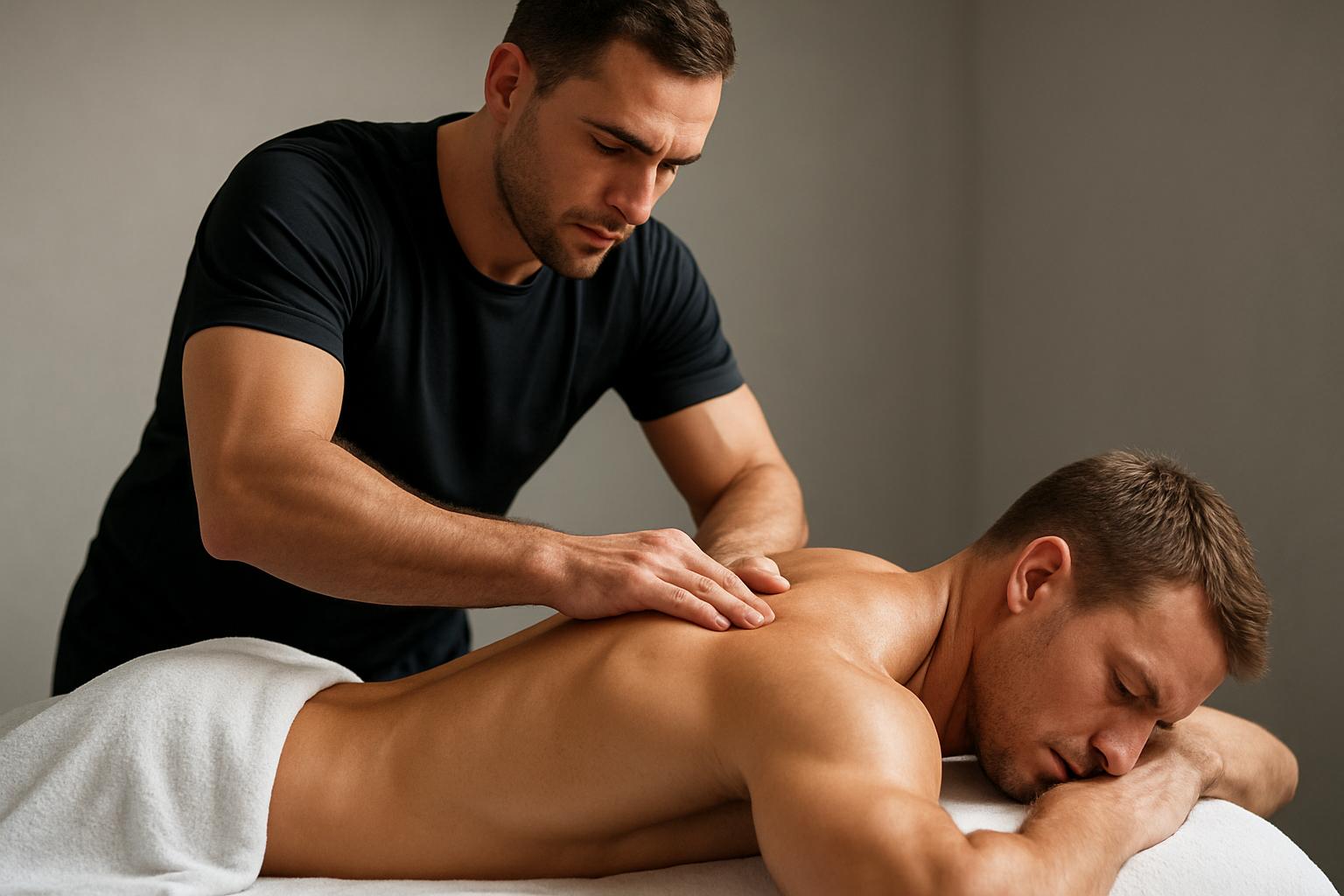
Targeted at athletes, sports massage blends stretching, joint mobilization, and focused compression to optimize mobility and recovery. Sessions are typically goal-oriented—pre-event activation, post-event recovery, or ongoing maintenance during training cycles.
Myofascial release and lymphatic techniques
Fascial work addresses restrictions in the connective tissue that can limit range of motion, while manual lymphatic drainage supports fluid balance and recovery after injury. These are gentle, often slow techniques that demand practitioner finesse and a clear clinical rationale.
Pricing, memberships, and how to judge value
Elite bodywork often carries a premium: higher hourly rates, mandatory gratuity in some places, and extra fees for signature enhancements. But price alone isn’t a measure of value. Evaluate what the cost buys: longer sessions, specialized training, a stable therapist roster, and post‑session follow-up.
Memberships can make sense if you plan regular maintenance. They typically offer discounted per‑session rates and priority booking. Consider the commitment: a discounted monthly fee is only valuable if you’ll actually use the sessions. Ask about freeze or rollover policies before you sign up.
Example calculation: a single 90‑minute elite session at $180 vs. a monthly membership of $320 for two 60‑minute sessions. If your physical goals require biweekly care, the membership can save money and secure consistent scheduling.
Risks, ethics, and the role of regulation
Therapeutic bodywork is low‑risk for most people, but it’s not risk‑free. Contraindications—recent surgery, undiagnosed lumps, blood clots, or certain cardiovascular conditions—require medical clearance. Responsible practices include intake screening, written consent, and a plan for referring clients to physicians when necessary.
Ethics matter: clear boundaries, non‑sexual conduct, and confidentiality are non-negotiables. In well-regulated jurisdictions, licensing boards enforce standards and provide a complaint channel. If a provider’s boundaries feel murky or you’re pressured into services outside a clear scope, walk away and report the incident to the licensing agency.
Practical takeaways: how to plan your first elite bodyrub
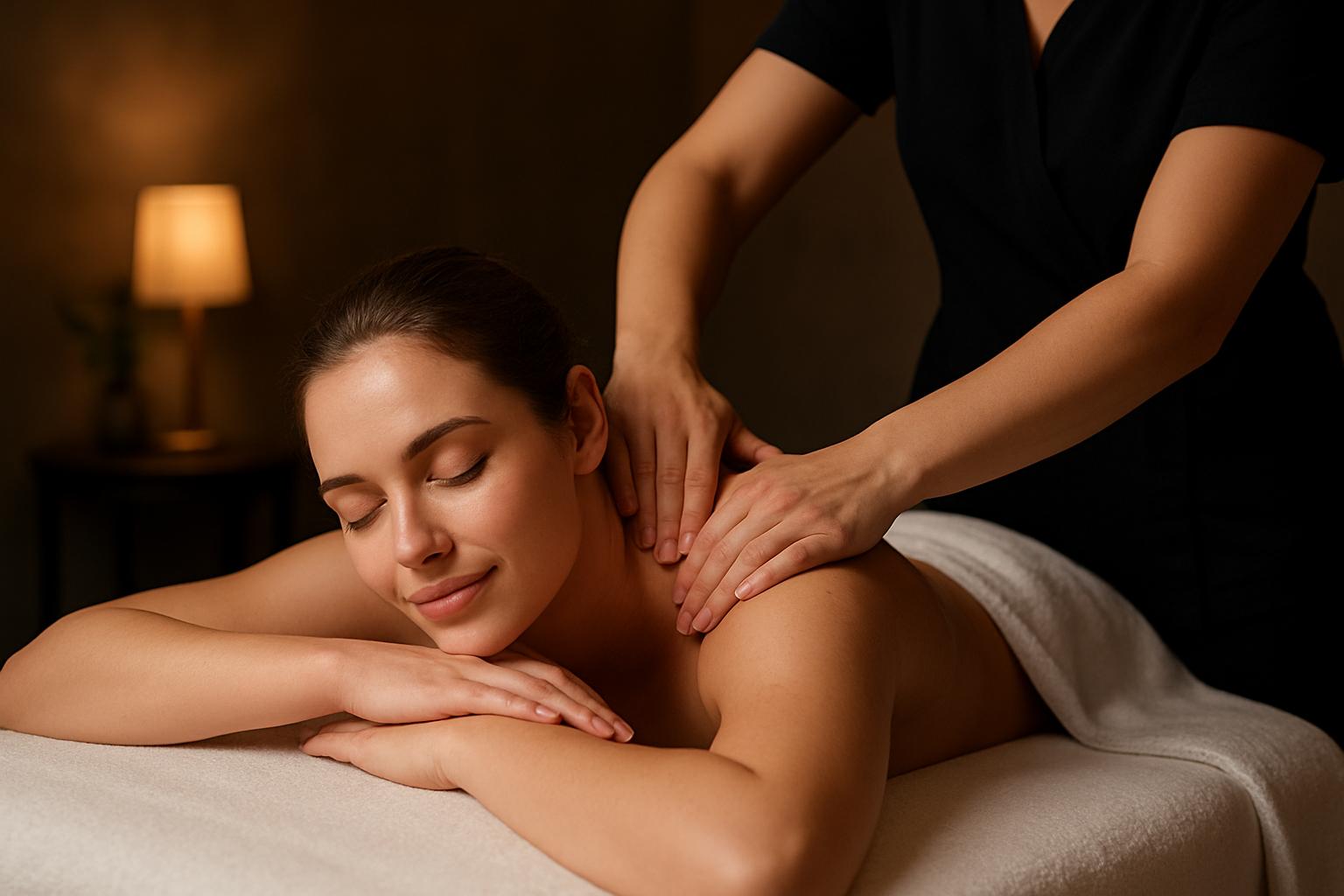
- Book a consultation with a therapist you can speak with before scheduling; good providers offer this.
- Bring a concise history: injuries, surgeries, medications, and goals.
- Start with a moderate session length (60–90 minutes) unless you have a clear reason for more.
- Follow aftercare instructions and schedule a follow‑up to assess progress.
- Use membership deals only if they match your realistic usage and improve scheduling consistency.
Conclusion
Elite bodyrub, understood as high-quality therapeutic bodywork, is less about status and more about consistent, outcome-driven care: trained therapists, thoughtful environments, clear boundaries, and follow-through that turns single sessions into sustained improvement. If you approach it with sensible expectations—verify credentials, communicate clearly, and prioritize safety—you’ll get more than a luxurious hour; you’ll get a practical tool for managing pain, stress, and recovery in a busy life.