
Introduction: Why a Touch Can Change the Way You Move
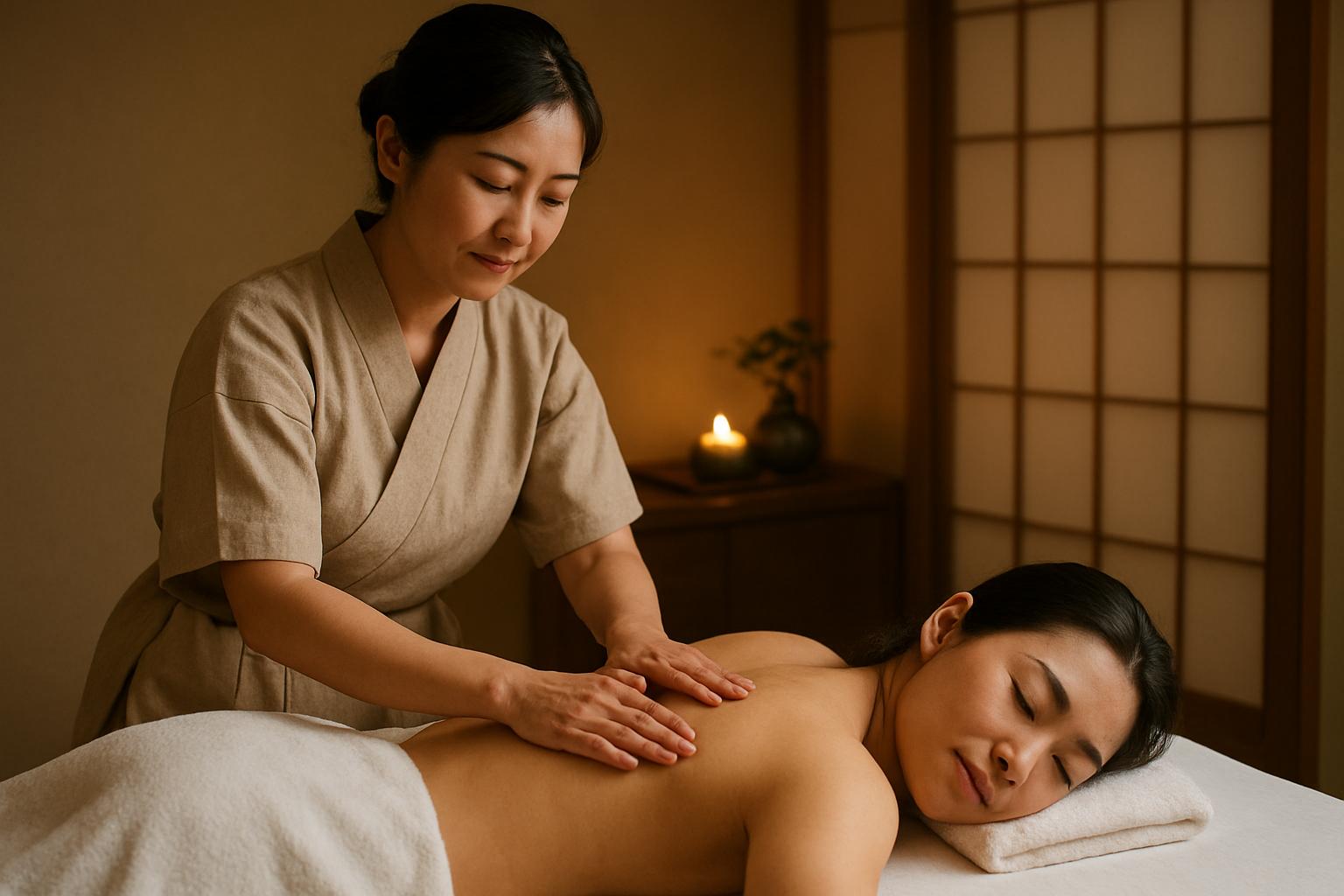
Walk into a small treatment room in Tokyo or Kyoto and you’ll notice something different from a typical Western spa: the movements are deliberate, the therapist’s hands communicate with intention, and silence is part of the service. Japanese massage traditions place emphasis on structure, alignment, and the interplay between pressure and stillness. Those elements make the practice more than a momentary escape; it’s a form of maintenance for bodies that spend long hours at desks or in motion.
This article explores the principal Japanese techniques, their historical roots, practical applications, and how to choose or adapt them safely. Whether you’re curious about learning a few techniques at home, seeking a professional session, or simply want to understand why these methods endure, you’ll leave with concrete takeaways and examples you can try or discuss with a practitioner.
Roots and Evolution: From Temples to Treatment Rooms
Japanese bodywork has a loosely documented genealogy that draws on Chinese medicine, indigenous folk practices, and influences from Buddhist and Shinto traditions. Techniques such as anma (a traditional massage form) and shiatsu (pressure-point therapy) evolved across centuries, often practiced by traveling healers and monks before integrating into urban clinics and spa culture.
In the early 20th century, shiatsu was systematized as a therapeutic discipline. Practitioners categorized pressure points, linked them to meridians, and developed training protocols. Postwar Japan saw these arts spread into occupational health and hospital settings, proving helpful for musculoskeletal complaints and stress-related conditions.
Key Traditions at a Glance
- Anma: The older style emphasizing kneading and stroking, historically used to maintain health and treat aches.
- Shiatsu: A finger-pressure method grounded in meridian theory and used both for relaxation and targeted therapeutic goals.
- Kobido: A facial massage technique that combines lymphatic drainage, lifting strokes, and acupressure for skin health.
- Amma: A seated, chair-based approach often used for quick workplace relief, focusing on shoulders, neck, and upper back.
Principles Behind the Pressure
Japanese massage isn’t about brute force. Instead, it applies graduated pressure along energy channels (meridians), connective tissue planes, and known trigger points. The goal is to restore flow—blood, lymph, and, in traditional terms, qi—so the body can self-regulate and heal.
Therapists use a vocabulary of touch: compression, sustained pressure, gentle stretching, and rhythmic tapping. Each action has a purpose. Compression helps reduce muscle tone, sustained pressure can release a trigger point, and rhythmic techniques stimulate circulation. These tools allow a skilled practitioner to address pain and mobility without aggressive manipulation.
A Simple Example: Releasing a Stiff Neck
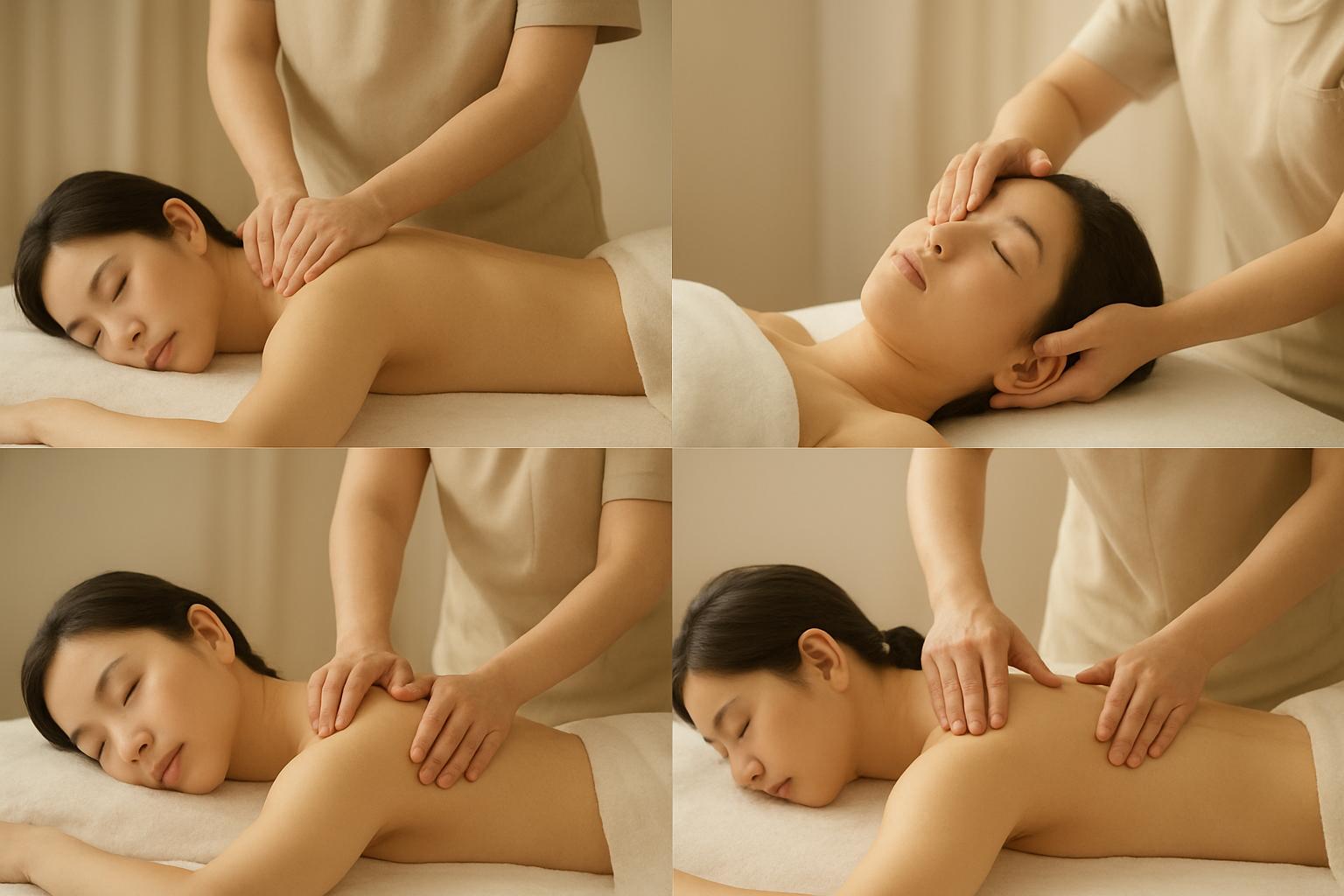
Imagine someone who spends eight hours looking at a laptop. A Japanese-trained therapist might start with long, warming strokes across the trapezius to increase blood flow, then apply gentle, sustained pressure to a tight knot near the base of the skull. They might finish with a neck mobilization using slow stretches to the side, guiding the head through a comfortable range. The sequence is intentional: warm, release, mobilize.
Applied at home, this sequence becomes a practical mini-routine: gentle heating (warm towel), self-compression with the thumb for 10–20 seconds on tense areas, then slow mobility exercises. That’s a tangible takeaway you can use between professional sessions.
Scientific Perspective: What the Research Says
Clinical studies of Japanese massage techniques show promising effects for pain reduction, improved mobility, and stress relief. Shiatsu, in particular, has been evaluated for conditions like chronic low-back pain, tension headaches, and anxiety, often yielding moderate benefits when added to conventional care.
Research also highlights physiological mechanisms: enhanced circulation, modulation of the autonomic nervous system (increasing parasympathetic tone), and reduced levels of stress hormones. While not all studies reach the highest standards of evidence, the cumulative findings support the role of these methods as complementary therapies rather than standalone cures.
Limitations and Responsible Use
Therapeutic touch is not universally appropriate. Certain medical conditions—fractures, acute infections, deep vein thrombosis, or unstable cardio conditions—require physician clearance. Evidence is also mixed on long-term structural changes; many benefits relate to symptom relief and improved function rather than permanent anatomical alterations.
Ask a practitioner about their training, scope of practice, and how they integrate with medical care. In many countries, shiatsu therapists and related practitioners undergo formal training and certification—seek those credentials if you plan to pursue ongoing therapy.
What to Expect in a Session
Sessions vary by technique and practitioner. A typical shiatsu appointment lasts 45–90 minutes. Unlike oil massage, shiatsu is often performed over light clothing on a futon or firm mat. The practitioner uses thumbs, palms, fingers, and sometimes elbows or knees to apply pressure along meridians.
Anma and kobido sessions can use oils and longer strokes, especially for relaxation or facial rejuvenation. Amma chair sessions are brief—10 to 30 minutes—and ideal for busy settings. Most therapists open with a short intake interview to understand pain locations, medical history, and goals before proceeding.
Practical Etiquette
- Wear loose, comfortable clothing for Shiatsu and Amma; remove jewelry.
- Communicate pressure preferences clearly—therapists appreciate feedback.
- Arrive hydrated and avoid heavy meals immediately before a session.
- If in doubt about a health condition, bring medical notes or consult your doctor first.
How to Choose a Practitioner
Selecting the right therapist is partly qualifications and partly rapport. Look for formal training certificates, membership in professional associations, and verified client reviews. A good therapist will ask questions about your symptoms, explain their approach, and adapt techniques to your tolerance.
Consider a trial session to evaluate the therapist’s style. Some practitioners focus more on relaxation strokes, others on therapeutic trigger-point release. Your goals—stress relief, pain management, or facial rejuvenation—should guide the choice.
DIY Techniques and Self-Care
You don’t need professional training to use basic principles at home. Simple self-massage techniques can reduce stiffness and support posture. Tools such as foam rollers, hand-held massage balls, and heat packs complement these methods.
- Warm-up: Apply a warm towel to tense areas for 5 minutes to increase circulation.
- Compression: Use your thumb or knuckle to press gently on sore spots for 10–20 seconds, then release.
- Stretching: Follow with slow, controlled neck or shoulder stretches; hold each for 20–30 seconds.
- Finish: Take 2 minutes to breathe deeply and assess whether the tension has eased.
These steps are safe for most people but stop if you feel sharp pain, dizziness, or numbness. When in doubt, consult a licensed practitioner or healthcare provider.
Common Misconceptions
One persistent myth is that more pressure equals better results. In reality, excessive force can trigger tissue irritation and reflex guarding. The effective therapist reads the body and modulates pressure to the client’s response.
Another misconception is that Japanese techniques are only about energy or mysticism. While traditional explanations include energetic terms, modern practitioners blend empirical anatomy and physiology with those concepts to produce measurable outcomes.
Table: Quick Comparison of Major Japanese Techniques
| Technique | Typical Setting | Primary Focus | Session Style |
|---|---|---|---|
| Anma | Clinic or home-style room | Kneading, circulation, relaxation | Oil or dry strokes; full-body |
| Shiatsu | Futon or mat | Pressure points, meridians, pain relief | Clothed; sustained pressure with thumbs/palms |
| Kobido | Facial spa or clinic | Facial lymphatic drainage, lifting | Delicate strokes, oil-based, short session |
| Amma (chair) | Office, events, clinics | Quick stress relief, shoulders/neck | Seated; short and focused |
Practical Takeaways
- Start with clear goals: relaxation, pain relief, or cosmetic benefit—then pick a matching technique.
- Communicate openly about pressure and discomfort; effective touch depends on feedback.
- Incorporate short self-care routines between appointments to sustain gains.
- Verify practitioner credentials and integrate massage with medical care when treating chronic conditions.
Conclusion
Japanese massage offers a practical blend of tradition and technique: precise pressure, anatomical awareness, and gentle rhythms that suit both relaxation and rehabilitation; by understanding the varieties—shiatsu, anma, kobido, and amma—and applying simple self-care steps, you can use these methods safely and purposefully to reduce tension, improve mobility, and restore a quieter, more capable body.