
What people mean by «body rubs» in New York City
In the city that never sleeps, language can be a cloak. «Body rubs» is a term that shows up in classifieds, online ads, and sometimes on storefront windows. For some it refers to legitimate therapeutic massage — trained hands easing tension after a long subway commute. For others it’s a euphemism for adult or sexual services offered outside the regulated spa world. The ambiguity is intentional in many cases, which is why a clear-eyed look at the phrase matters.
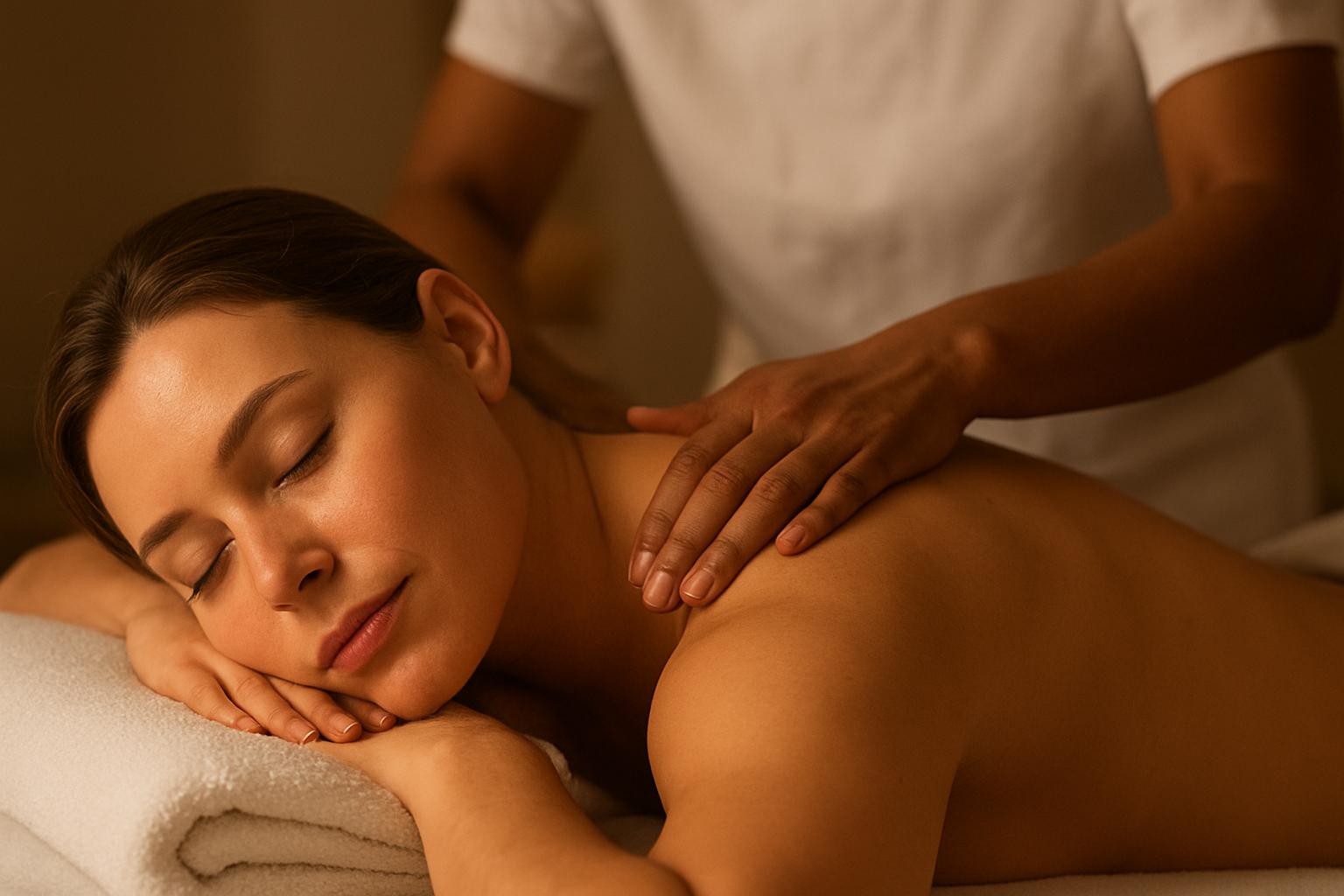
Understanding the distinction is the first step to staying safe and getting what you expect. Therapeutic massage is typically performed by practitioners who describe specific modalities — Swedish, deep tissue, sports, or medical massage — and who operate in established clinics or spas. Ads that use intentionally vague language, promise «extras,» or avoid listing a business address usually point to something else. Knowing the difference helps you choose responsibly and avoid situations that could be illegal or unsafe.
The legal and regulatory landscape in plain terms
Regulation in New York City sits at the intersection of public health, business licensing, and criminal law. Legitimate massage businesses are expected to follow standard health and safety rules, maintain clean facilities, and employ practitioners with relevant training or certification. Municipal and state authorities can and do take action when establishments operate outside those rules or when activities cross into prostitution or trafficking.
At the same time, enforcement priorities shift over time. Authorities may target criminal activity, human trafficking, or organized rings; other times the focus is on licensing violations and consumer protection. For consumers, that patchwork means due diligence is necessary. Ask questions, check credentials, and prefer businesses with transparent practices.
How regulation affects practitioners and clients
Trained massage therapists often belong to professional associations and may carry liability insurance and visible credentials. Clinics and reputable day spas typically post policies about hygiene, draping, and scope of practice. For clients, that transparency is a useful signal: it shows respect for professional boundaries and for the law.
Conversely, operations that avoid naming practitioners, lack a verifiable address, or prefer cash-only transactions should raise immediate concerns. Those are practical markers that the business may be operating outside the law or that it could be vulnerable to exploitation by criminal networks.
Where to find legitimate services — practical guidance
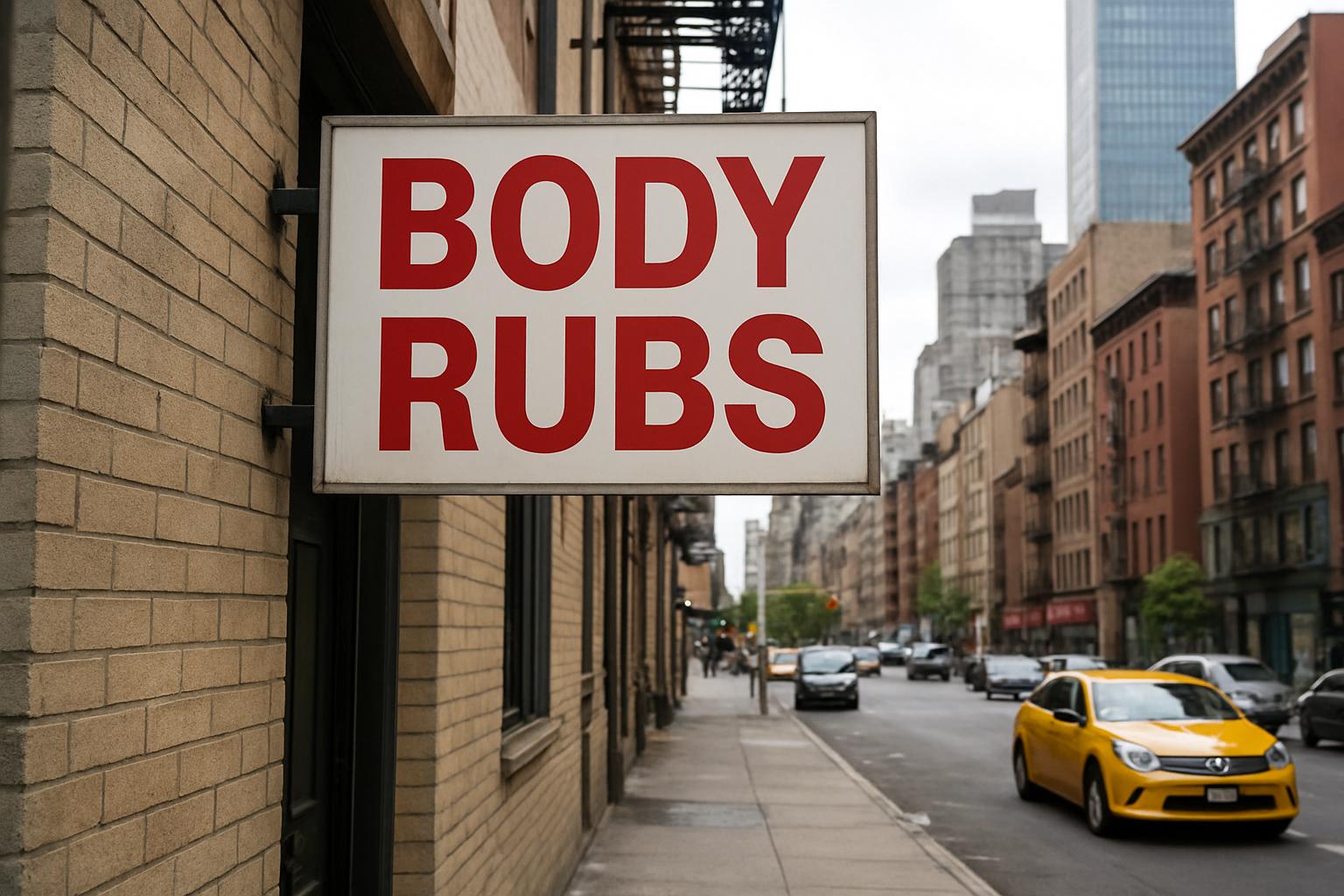
Start with referrals. Friends, doctors, and physical therapists can recommend practitioners they trust. If you’re searching online, prioritize listings with a business address, practitioner bios, and clear descriptions of services. Established review platforms and local health directories can be useful, but read reviews thoughtfully — a few negative comments don’t tell the full story, and paid reviews exist.
Professional associations are a good checkpoint. Groups such as national or regional massage therapy organizations maintain directories of members and can explain typical training standards. Many medical clinics, sports teams, and rehabilitation centers also employ licensed therapists; if you need massage for a medical condition, a referral from a clinician is the safest route.
Red flags to avoid
- Ads that emphasize «sensual,» «incall/outcall» with erotic undertones, or that omit a physical address.
- Cash-only businesses that close quickly to new clients or refuse to provide receipts.
- Practitioners who pressure you to accept services beyond a written menu or who ask for sexual favors.
- Prices that are implausibly low or wildly inconsistent with the market without explanation.
If you encounter any of these, step away. Trust your instincts; they’re often the fastest early warning system in a crowded city.
Pricing, styles, and what to expect from a session
New York City covers a wide pricing spectrum. A neighborhood private practitioner may charge less than a luxury Manhattan spa; length, technique, and extras (aromatherapy, hot stones, extended time) all raise the price. As a rough guide, expect a 60-minute therapeutic session in the city to run from moderate to premium rates depending on location and reputation. Remember, higher price doesn’t automatically equal higher quality.
Before booking, ask what the session includes. Will the therapist use oil? Is the focus therapeutic or relaxation? How is draping handled? A reputable practitioner will answer clearly and set boundaries up front. If anything feels vague, ask for a written service description or look elsewhere.
Etiquette and tipping
Basic etiquette keeps the experience professional. Communicate medical concerns, pain thresholds, and areas to avoid before the session begins. Follow the practitioner’s guidance on undressing and draping; they will usually leave the room briefly so you can get comfortable. Keep conversation respectful and focused on the session; sexual advances are inappropriate and may be illegal.
Tipping at a rate similar to other personal services in the city—often 15–25%—is common. If a facility explicitly includes a service fee, that should be disclosed up front. When in doubt, ask before the session so there are no awkward surprises at checkout.
Health, safety, and medical considerations
Massage is a therapeutic tool, but it is not always appropriate for everyone. Certain conditions—acute infections, deep vein thrombosis, open wounds, and some recent surgeries—may make massage inadvisable. If you have chronic health issues or are pregnant, consult your physician and seek therapists trained in those specific populations.
Cleanliness matters. Towels should be laundered, surfaces sanitized, and oils or lotions stored properly. During public-health events, facilities may require masks, screening questions, or altered flow in appointment scheduling; a professional operation will prioritize safety and communicate changes clearly.
When to walk away and when to report
Leave immediately if a practitioner behaves in a way that violates boundaries or pressures you for sexual services. If you suspect coercion, trafficking, or criminal activity, report what you’ve seen to law enforcement and to organizations that handle trafficking. The National Human Trafficking Hotline (1‑888‑373‑7888 or text 233733) is available 24/7 for reporting or getting help. Local police departments also have non-emergency numbers that can assist with neighborhood incidents.
Practical takeaways — a checklist for safe choices
Keep these steps in mind before you book:
- Verify the clinic’s address and practitioner credentials; ask who will perform the massage.
- Request a written service menu and pricing; confirm the modality you want.
- Ensure clear policies on draping, consent, and scope of practice.
- Pay by card when possible; avoid cash-only arrangements that lack receipts.
- Trust your instincts: if something feels off, cancel and report if necessary.
| Topic | What to look for | Red flags |
|---|---|---|
| Credentials | Practitioner bios, certifications, clinic transparency | No names, no credentials, vague claims |
| Location | Physical address, clean facilities, clear hours | P.O. box, no address or private apartment only |
| Pricing | Written menu, sensible market range, card payments | Cash-only, unusually low or fluctuating prices |
| Safety | Sanitation, draping policies, medical disclaimers | Pressure for extra services, refused to show policies |
Where the city can improve — and what consumers can do
New York’s size and diversity mean both excellent options and bad actors coexist. Policymakers and advocates continue to balance public health, workers’ rights, and anti-trafficking efforts. Consumers play a role too: by choosing transparent businesses, speaking up about abuses, and supporting professionals who operate openly, you send a market signal that professionalism matters.
Supporting legitimate practitioners also helps raise standards. When clients demand clearer pricing, proper licensing, and humane working conditions, the market rewards those who deliver quality services ethically. That ripple effect benefits practitioners, clients, and the broader neighborhood economy.
Conclusion
Body rubs in New York City cover a spectrum from fully legitimate therapeutic work to illegal or exploitative activity; navigating it requires a mix of common sense, simple verification, and a willingness to walk away from anything that feels shady. By prioritizing transparent businesses, asking clear questions about credentials and policies, and using established resources when something seems wrong, you can find safe, effective care in a city full of choices without sacrificing your safety or principles.