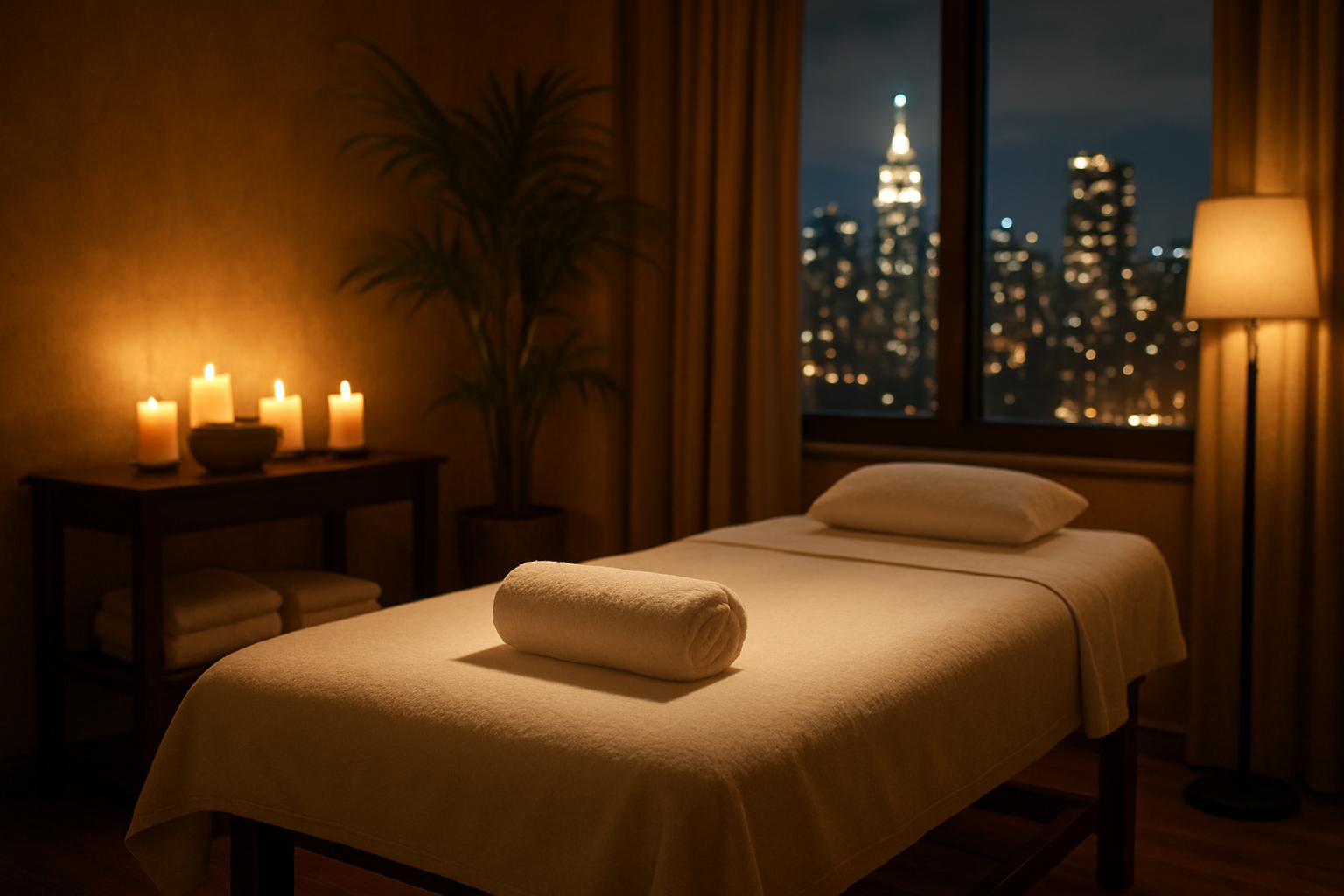

“Exotic massage” means different things to different people. In Manhattan it can refer to anything from traditional Thai or Balinese techniques to creatively marketed spa experiences that mix oils, music, and movement. The phrase carries allure—and ambiguity. This guide cuts through the gloss so you can make smart choices: what these services often include, how to tell a legitimate studio from a risky operation, what to expect during a session, and practical tips for booking in New York City.
New Yorkers and visitors alike want an experience that feels both restorative and distinctive. That impulse is understandable. But when the label “exotic” obscures licensing, boundaries, or hygiene, enjoyment quickly turns to trouble. Read on for concrete examples, checklists you can use on your phone, and a summary table that helps you compare common options at a glance.
What people mean by “exotic massage” in NYC
In a city as diverse as New York, terms travel and shift. “Exotic” might describe a massage rooted in a non-Western tradition—Thai, Balinese, Ayurvedic—or it might be a marketing tag for a themed room, aromatic treatments, or sensual-sounding services. The key is to look beyond the label to the method, credentials, and reviews.
Legitimate practitioners usually describe their modality clearly (e.g., “traditional Thai massage” or “Balinese oil massage”) and mention practitioner training, licensing, or association memberships. When only suggestive language and low prices appear, that’s a signal to investigate further before booking.
Why terminology matters
Names convey technique and risk. A “Thai massage” suggests stretching and pressure without oils, whereas an “oil ritual” likely involves lighter strokes and scents. When studios are precise, you can evaluate suitability for your body, medical conditions, and comfort level. Vagueness often hides the absence of proper regulation or professional training.
For people with injuries, chronic pain, or specific therapeutic goals, choosing the right named modality matters for outcomes—not just ambiance. If relaxation is the only goal, the selection is more about vibe; if pain relief is needed, look for therapists who list clinical credentials like LMT (licensed massage therapist) and relevant continuing education.
Common styles you’ll see marketed as “exotic”
Here are a few treatments that frequently appear under exotic or specialty menus. Each has a distinct origin and technique, so knowing names helps you set expectations.
- Thai massage — firm stretches and pressure; often done on a mat fully clothed.
- Balinese massage — aromatic oils, long flowing strokes; emphasizes relaxation and circulation.
- Lomi Lomi (Hawaiian) — continuous, rhythmic strokes intended to integrate body and mind.
- Ayurvedic treatments (Abhyanga) — warm oil full-body rituals rooted in Indian medicine.
- Hot stone or herbal compress — added heat for loosening muscles and easing tension.
These therapies can be wonderfully effective when provided by trained therapists in suitable facilities. The trick is confirming both skills and professional context.
Safety, legality, and licensing in New York City
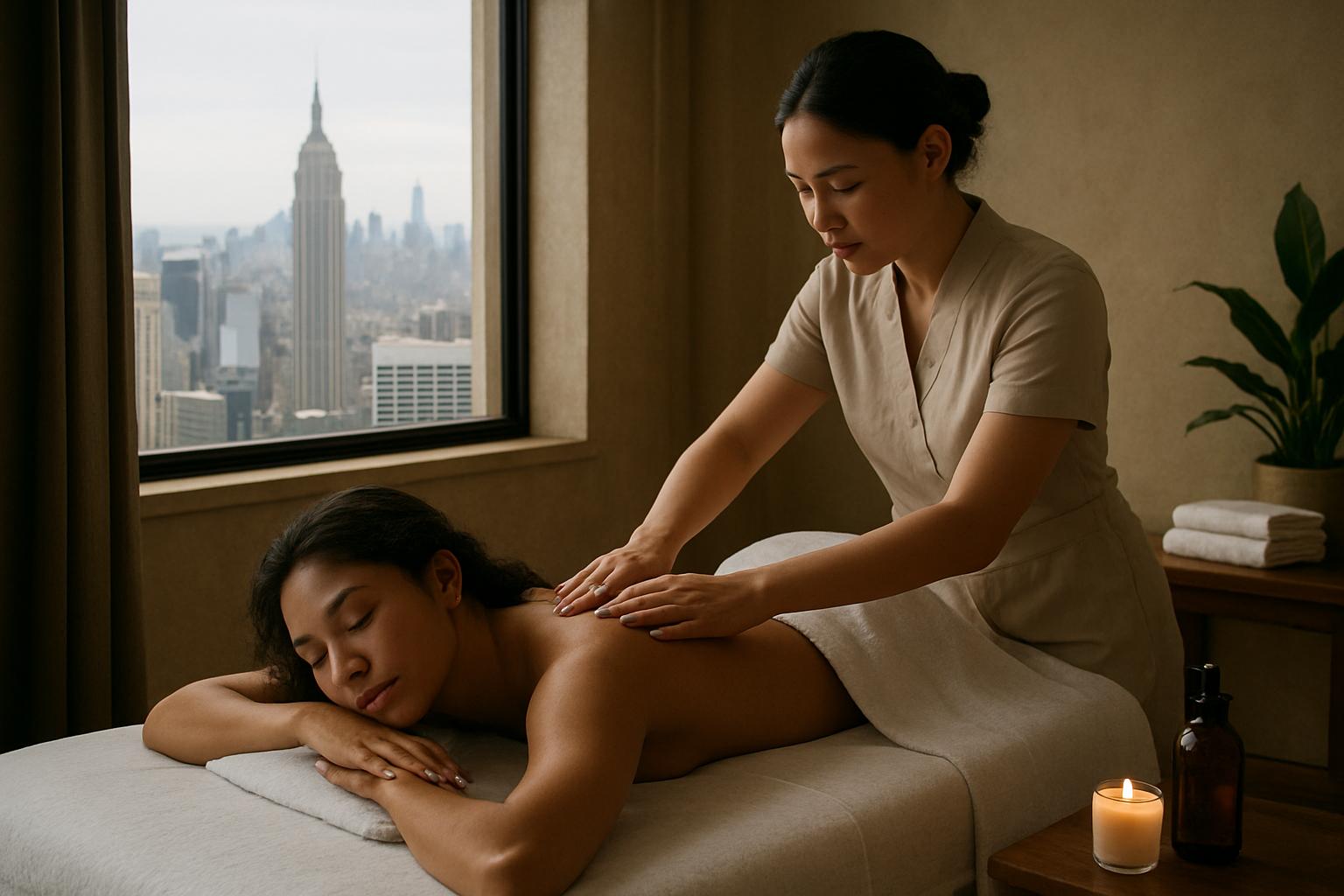
Massage therapists in New York State must be licensed, and reputable spas will readily share licensing information. Unlicensed operations raise legal and safety concerns—absence of training, poor hygiene, and the potential for illicit activity. Before stepping into a treatment room, verify the basics.
Licenses, insurance, and transparent business addresses are strong indicators of a legitimate establishment. NYC also has consumer protection resources and online databases for licensed practitioners. If a studio resists providing a practitioner’s name, license number, or a legitimate business address, treat that as a warning sign.
How to confirm legitimacy
Use these practical steps to vet a business quickly. You can do most of this on your phone in under five minutes.
- Search for the spa and practitioner on state licensing sites or professional association directories.
- Look for a physical storefront and a verifiable phone number—preferably local, not just a texting app.
- Read multiple customer reviews across platforms (Google, Yelp, professional directories) and pay attention to reports about cleanliness, communication, and consent practices.
- Ask the studio for the therapist’s modality training and whether they require client intake forms for medical history.
These steps won’t eliminate all risk, but they significantly reduce the chance of an uncomfortable or unsafe experience.
Legal considerations and boundaries
Some services offered under the “exotic” rubric may be illegal in New York—particularly anything that involves sexual activity. Reputable studios have clear consent policies, draping protocols, and boundaries explained during intake. If a provider’s policies are vague or they push for private arrangements outside the studio, decline and exit.
Keeping interactions within professional channels protects both client and therapist. It also keeps you on the right side of the law and minimizes the potential for misunderstandings that can escalate quickly.
How to choose a reputable spa or therapist
Choosing well starts with clarity about what you want—relaxation, cultural authenticity, or specific therapeutic relief. From there, apply a simple selection matrix: transparency, credentials, ambience, and price. None of these alone guarantees quality, but together they form a reliable picture.
Ask direct questions when you call or message: “What modality is this? Where were therapists trained? Do you require an intake form? Is the therapist licensed?” A legitimate business or professional will answer them without hesitation.
Questions to ask before booking
Keep this short checklist handy when you’re researching a studio. Many answers can be found online; if not, call.
- What exact technique will be used?
- Is the therapist licensed and insured?
- Do you provide a private room and appropriate draping?
- Are there COVID or hygiene protocols in place?
- What is the cancellation policy and total cost including gratuity?
Clear answers build trust. If responses are evasive or the staff seems defensive, that’s a practical reason to look elsewhere.
Red flags to avoid
Watch for these warning signs when booking or arriving for a session. They often correlate with unprofessional or illegal activity.
- Only accepts cash and has no receipt policy.
- Descriptions are sexualized or extremely vague (e.g., “happy-ending” euphemisms).
- Therapists refuse to provide credentials or training background.
- Studio lacks a visible storefront, posted license, or sanitary facilities.
If any of these appear, leave or cancel. Your safety and peace of mind are worth finding another option.
What to expect during a legitimate session
When everything is aboveboard, a session follows a familiar structure: intake, discussion of preferences, treatment, and brief aftercare advice. A proper intake form will ask about medical history, allergies, and areas to avoid. Consent and draping practices will be explained before the therapist begins.
The mood and pacing vary by modality. A Balinese or oil-based treatment will be slower, aromatic, and sensory; a Thai session will involve more active stretching and pressure. Expect the therapist to check comfort and pressure periodically, and to provide time at the end for rehydration and a succinct summary of suggested follow-up care or stretches.
Practical etiquette
Good etiquette makes the session smoother for both parties. Arrive on time, but not too early. Turn off your phone. Communicate clearly about pain thresholds. Tip appropriately unless the studio lists service charges in the price.
If you feel uncomfortable at any moment, say so. A professional therapist will stop, adjust, or explain. If the behavior continues, leave and report the studio to local authorities if necessary.
Sample session timeline
Here’s a typical flow for a 60–90 minute appointment to help you plan.
- Arrival and check-in (5–10 minutes) — paperwork and payment clarification.
- Consultation (5 minutes) — discuss goals, preferences, and medical concerns.
- Treatment (45–75 minutes) — focused bodywork according to modality.
- Aftercare and checkout (5–10 minutes) — water, recovery tips, and scheduling if desired.
Prices, tipping, and budgeting in NYC
Prices in New York City are higher than in many other places. Expect to pay more for reputable spas and experienced therapists. Cheap options undercutting market rates can be tempting—but price often reflects professionalism, licensing, and hygiene.
As a rough guide, a legitimate 60-minute specialty massage in NYC typically ranges from $110–$200 depending on neighborhood and therapist credentials. Longer sessions and additional features (stones, aromatherapy, private suites) add to the cost.
Tipping and payment
Tipping is customary—15–25% depending on satisfaction—and sometimes expected in cash. Many studios accept cards and add gratuity at checkout; if not, bring cash for the tip. Be wary if a business insists on cash-only payment with no receipts; that’s another red flag.
Some high-end establishments include service charges. Read the fine print so you know the total cost before arriving.
Summary table: common options at a glance
| Treatment | Origin / Style | Typical duration | What to expect |
|---|---|---|---|
| Thai Massage | Thailand; assisted stretches | 60–90 minutes | Clothed client on mat; firm pressure, yoga-like stretches |
| Balinese Oil Massage | Indonesia; aromatic oils, long strokes | 60–90 minutes | Oiled table work; relaxing, rhythmic strokes and mild pressure |
| Lomi Lomi | Hawaii; flowing, whole-body strokes | 60–90 minutes | Continuous, circular movements; emphasis on flow and breath |
| Ayurvedic Abhyanga | India; warm oil ritual | 60–120 minutes | Warm oil application; slow, methodical strokes; may include head massage |
| Hot Stone / Herbal Compress | Various; heat therapy added | 60–90 minutes | Heat assists muscle release; may be combined with other modalities |
Practical examples and a simple plan
Example 1: You’re tired after a week of desk work and want deep release. Search for licensed therapists offering Thai or deep tissue work, confirm the therapist’s training, and book 75–90 minutes for meaningful time to address tight areas.
Example 2: You want a sensory, relaxing experience. Look for Balinese or oil-based rituals at well-reviewed day spas with clear hygiene protocols. Expect to pay a premium for boutique suites and aromatherapy.
Simple plan: identify three candidate spas, verify licenses, read the latest reviews, call with your checklist questions, and book the best match. Keep receipts and note the therapist’s name for future reference.
Conclusion
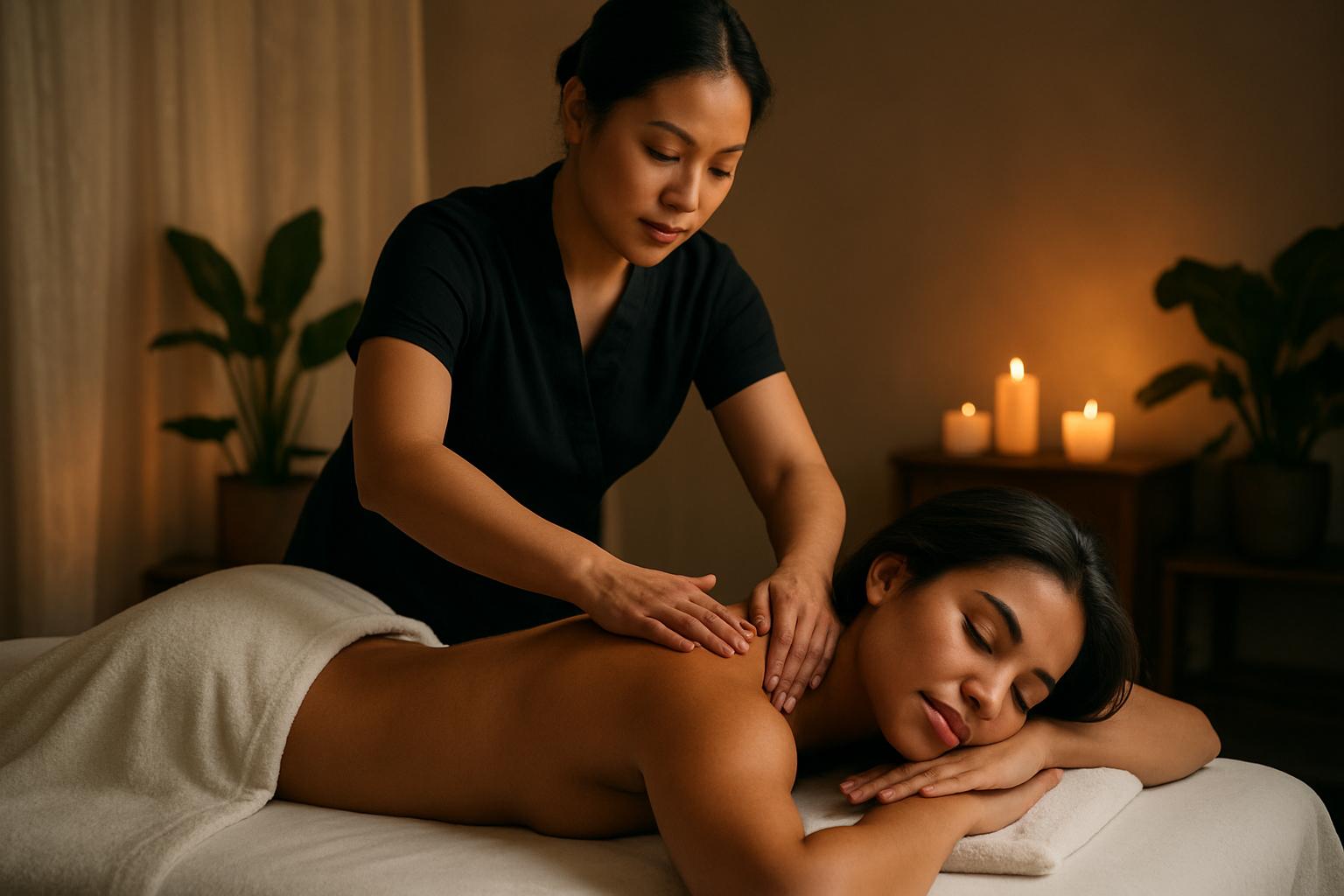
“Exotic massage” in NYC can be a window into effective, culturally rooted bodywork or a marketing label that masks problems—your task is to separate the two by checking credentials, asking clear questions, and trusting your instincts; when you do, you’ll find skilled therapists who deliver memorable, restorative sessions without compromise to safety or professionalism.