

Unpacking a loaded search term

Type those three words into a search bar and you’re stepping into a tangle of slang, rumor, and history. The phrase has become shorthand for a particular expectation: that a massage or personal-care appointment will include a sexual release at the end. It’s a euphemism, a wink, and a cultural shorthand all at once — and in a city as large and diverse as New York, it carries different meanings depending on who’s using it.
For some, the term is purely colloquial, part of a lexicon that circulates in jokes, movies, and late-night conversation. For others it signifies a real-world industry of unofficial services, sometimes organized and sometimes improvised. That gray area — where desire, economy, and law intersect — is where most misunderstandings and harms arise.
Understanding what people are actually looking for matters because the consequences of that search can be legal, moral, and practical. This article doesn’t point to addresses or make it easier to find illicit services. Instead, it explains the history, legal contours, safety considerations, and responsible alternatives so readers can make informed, lawful choices in New York City.
Legal and enforcement landscape in New York
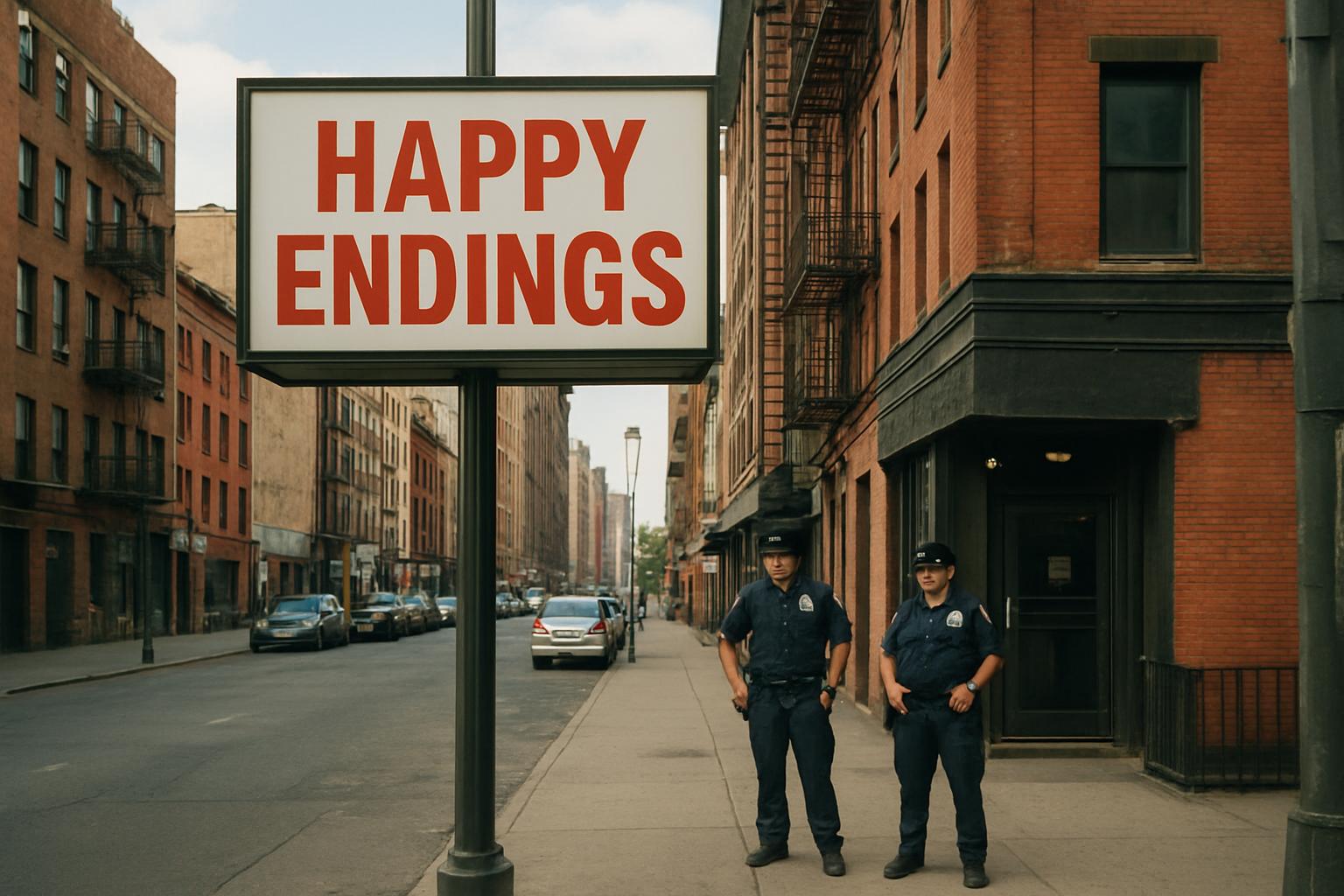
Broadly speaking, the exchange of sexual services for money is governed by criminal statutes and local ordinances; soliciting or providing sexual services can expose both buyer and seller to arrest and prosecution. Municipalities also regulate businesses through licensing, inspections, and zoning rules that apply to massage establishments and personal-care businesses. Where those rules are enforced, illegal businesses may be shut down, fined, or face criminal investigations.
Beyond criminal law, a marketing pitch that hints at sexual services can violate business licensing requirements, health codes, and advertising standards. Authorities often act not only on isolated incidents but on patterns: repeated complaints from neighbors, reports from labor-inspection bodies, or investigations that suggest exploitation or organized crime.
Because the law and its enforcement change over time and hinge on local facts, anyone with questions about legality should consult an attorney or an official city agency. Avoid relying on hearsay or forum posts; enforcement priorities differ by borough and by administration, and legal exposure is real.
Why law enforcement targets certain venues
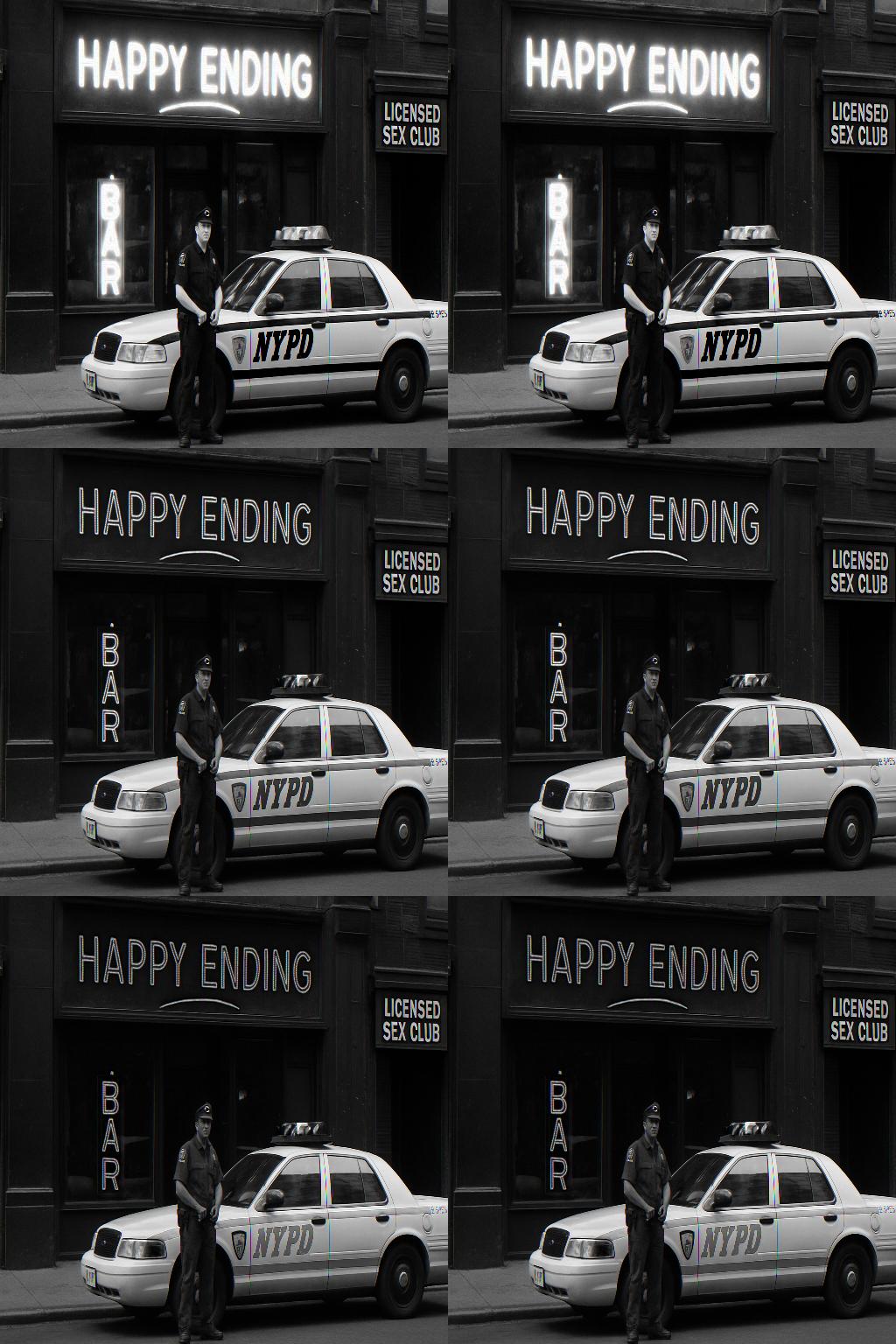
Police and regulatory agencies are typically concerned with several overlapping issues: public safety, human trafficking, and community order. Establishments that advertise or secretly provide sexual services can be linked, in some cases, to coercion, debt bondage, immigration-related coercion, or other forms of exploitation. Those connections are a primary driver of enforcement efforts.
Agencies also respond to complaints from residents and businesses. Loud or late-night activity, visible foot traffic, or sudden changes in clientele can prompt neighborhood complaints that trigger inspections. In short, enforcement is not just about the sale of sexual services; it’s also about broader public-safety and community-quality-of-life issues.
Public health and safety considerations

There are real health risks tied to sexual services outside regulated frameworks: sexually transmitted infections, lack of access to regular testing and treatment for workers, and unsafe or coercive working environments. For clients, engaging in illegal or secretive services raises the risk of being scammed, robbed, or exposed to unclean conditions. Even if the immediate exchange seems consensual, the surrounding conditions frequently lack the oversight that protects everyone involved.
Another dimension of safety concerns the massage industry itself. Legitimate therapeutic massage relies on clinician training, client intake forms, clear informed consent, and documented boundaries. When a business advertises services that fall outside professional norms, it often also lacks those protective practices. That increases the likelihood of misunderstandings and harm to both clients and workers.
Public-health strategies that focus on prevention and access to care tend to reduce harm more effectively than punitive crackdowns. Regular STI testing, anonymous partner services, and clinics that serve marginalized populations can mitigate risk — but these services are only effective when people feel safe seeking them and when workers have access to healthcare without fear of arrest or deportation.
The legitimate massage industry in NYC: standards and markers
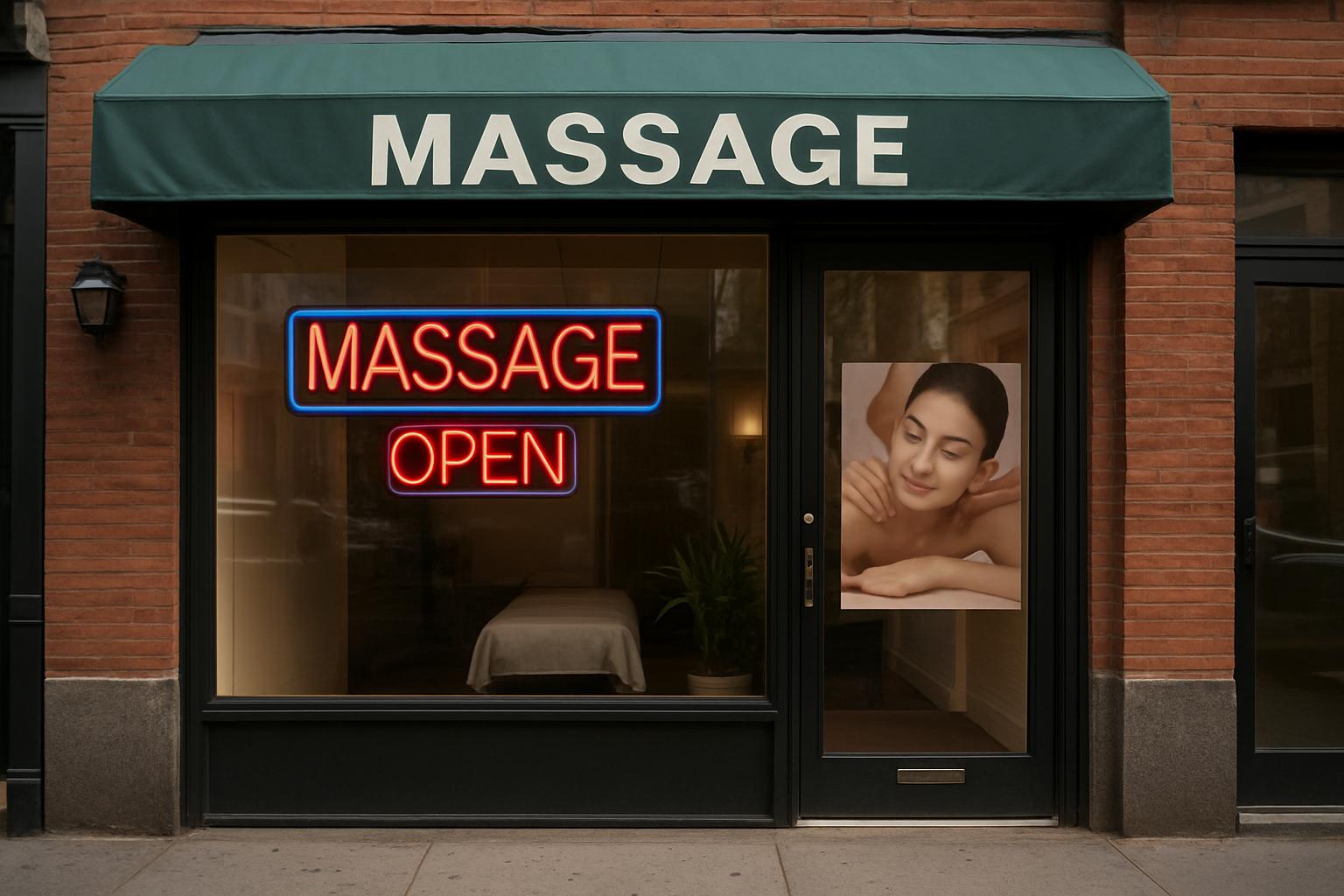
New York is home to thousands of legitimate massage therapists, physical therapists, chiropractors, and spas. Many professionals pursue formal training at accredited schools, earn certifications, join national or state associations, and carry professional liability insurance. Reputable clinics and day spas typically offer clear pricing, written consent forms, and documented training credentials for staff.
Professional therapists and medical clinicians often specialize in distinct modalities — sports massage, myofascial release, lymphatic drainage, prenatal massage — and they make it a point to set expectations before treatment. A licensed clinician will always explain what the session includes, ask about medical history, and clarify boundaries for touch. Those are practical markers of legitimacy.
When evaluating a provider, look for visible signs of professional practice: business registration, clear receipts, an intake form, a cancellation policy, and staff who explain their qualifications. Professional associations (for example, national or regional massage therapy organizations) provide directories and codes of ethics that can help consumers find vetted providers.
How to find reputable, legal massage services

There are practical steps anyone can take to book a legitimate, professional session. Start with referrals: ask friends, healthcare providers, or physical therapists for recommendations. Then vet the establishment: check whether the website lists training, certifications, and a physical address; read recent reviews on mainstream platforms; and call to ask about booking, pricing, and what is included in a session.
At the appointment, expect a brief intake interview and a clear explanation of what the therapist will do. Therapists should ask about medical history, injuries, and comfort levels. You should receive a receipt and have a record of the transaction. If anything feels off — if staff refuse to explain credentials, if pricing is unusually vague, or if sexual language appears in promotions — leave and report the business to local authorities.
These are not mere niceties. Clear professional norms protect both the client and the practitioner. They also make it far less likely that a business is operating outside the law or exploiting workers.
Ethical, social, and economic factors behind the phenomenon

Demand for illicit services does not exist in a vacuum. Economic pressures, immigration status, limited job opportunities, and the precarity of small-business ownership create conditions in which some people accept or are pushed into work outside legal protections. For some workers, an illicit setting may feel like the only way to earn income quickly; for others, it may be coercive. Those realities complicate simple moral judgments.
Criminalizing all parties involved often punishes the most marginalized. Arrests and closures that appear to target illicit businesses frequently lead to displacement of workers and loss of access to healthcare and legal protections. At the same time, failing to enforce standards can leave communities exposed to exploitation and organized crime.
The social conversation, therefore, needs to move beyond moral panic. Responsible policy responses weigh worker dignity, public safety, and local community impact. Where possible, evidence suggests that a mix of labor protections, access to legitimate employment pathways, and targeted enforcement against coercion and trafficking is more effective than broad sweeps that push activity further underground.
What consumers should avoid — and what they can do instead

If your motive is seeking sexual services, understand the stakes: soliciting unlawful services exposes you to criminal penalties and increases the likelihood that the service is tied to exploitation or trafficking. Avoid participation in any business or arrangement that advertises sexual services or uses coded language to suggest them.
If you want a quality relaxation or therapeutic experience, choose legitimate alternatives. Consider licensed spas, medical massage in a clinic setting, or referrals from healthcare providers for pain management. These options offer professional standards, documented training, and recourse if something goes wrong.
When evaluating a place, watch for red flags: lack of clear pricing, refusing to sign or show credentials, insistence on cash-only transactions with no receipt, or any pressure to accept extra “services.” If you observe these signs, walk away and consider reporting the business to local regulators.
- Prefer establishments with clear receipts and business registration.
- Ask about therapist credentials and request to see certificates if you want reassurance.
- Refuse any suggestion of sexual activity; it’s a legal and ethical boundary.
- Report suspicious activity to city authorities or human-trafficking hotlines rather than trying to sort it out alone.
Resources: Where to get help or raise concerns
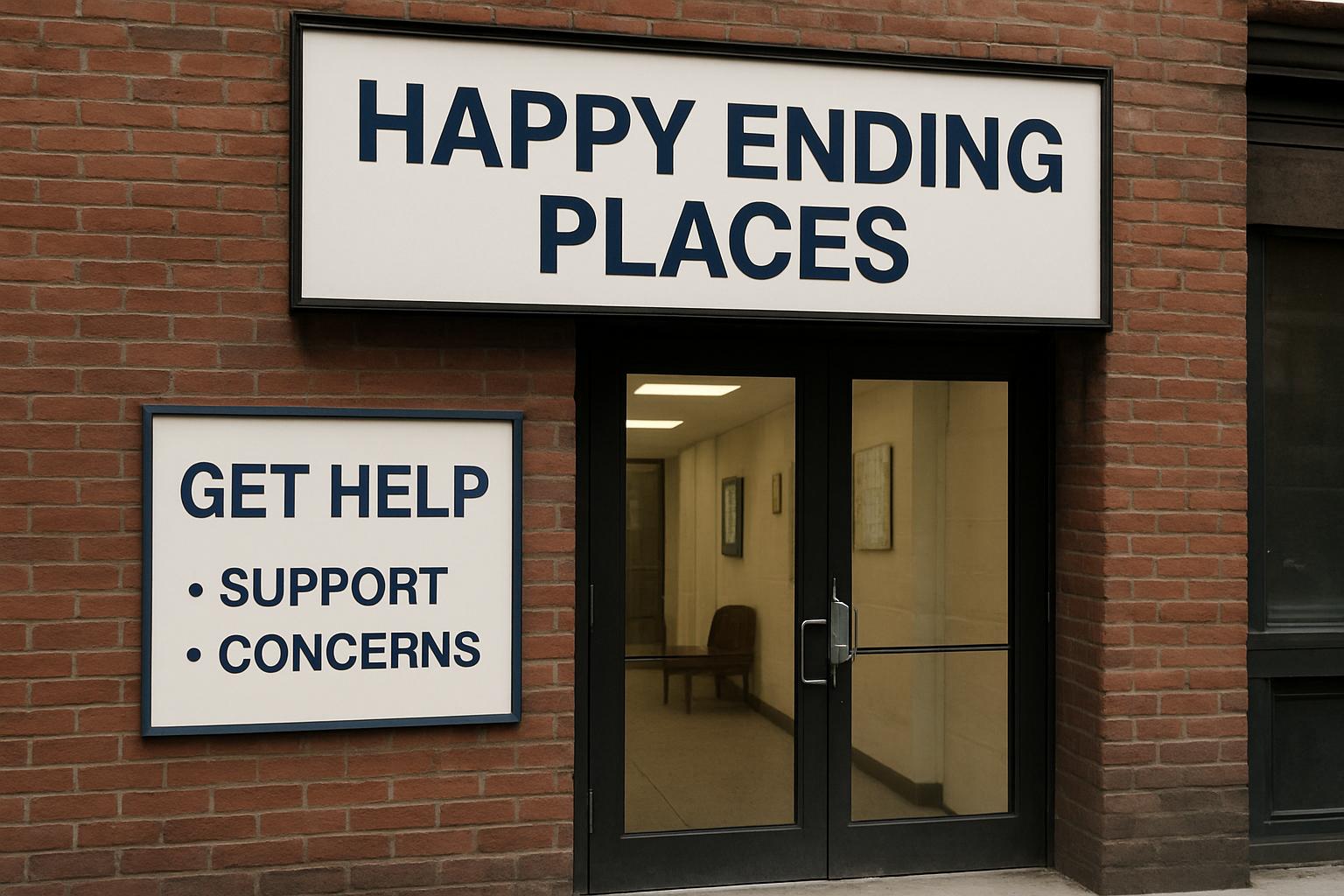
If you suspect trafficking or coercion, contact dedicated resources. The National Human Trafficking Hotline (1-888-373-7888; text 233733) operates 24/7 and can connect callers with local services, law enforcement, or confidential support. In immediate danger, call 911.
For health concerns, local clinics and community health centers provide confidential testing and treatment for sexually transmitted infections and other conditions. Many clinics offer sliding-scale fees or accept insurance, and they do not require you to disclose sensitive information beyond what is medically relevant.
Workers seeking legal or employment assistance can contact local worker centers, legal aid organizations, or unions that represent care workers and hospitality staff. Those organizations often provide help with wage disputes, immigration-related concerns, and pathways to safer, regulated employment.
Table: Quick reference — risks, signs, and safer alternatives

| Topic | What to watch for | Safer, legal alternatives |
|---|---|---|
| Business legitimacy | Vague pricing, cash-only, no receipts, no physical address | Licensed spas, clinics, or therapists with receipts and published policies |
| Worker safety | Signs of coercion, inability to speak freely, lack of ID or documentation | Contact hotlines, worker centers, or law enforcement if exploitation is suspected |
| Health risk | Unsanitary conditions, no intake form, pressure to omit medical history | Community health clinics, certified therapists, and medical referrals |
| Legal exposure | Advertising sexual services, solicitation, or coded promotions suggesting illicit activity | Choose providers in regulated markets; consult legal counsel for questions |
Case studies and how they shape neighborhood responses

In many neighborhoods, the presence of illicit personal-service businesses creates a cascade of responses: residents call local police, city agencies conduct inspections, and owners face fines or closures. Those interventions can be effective when they focus on preventing trafficking and ensuring public safety. But they can also have unintended consequences.
Consider a hypothetical midtown storefront that advertised low-cost massage late into the night. Complaints from neighbors about noise and people loitering led to an investigation. Inspectors found unclear records and cash-only business practices, and law enforcement uncovered evidence suggesting some workers were being coerced. The city shuttered the business and referred workers to social services. That outcome prevented further exploitation, but it also left workers who had depended on the income temporarily without means unless social services or re-employment programs stepped in.
That kind of mixed result is common. It demonstrates why responses that combine consumer protections, criminal enforcement against coercion, and supportive services for displaced workers are preferable to single-minded crackdowns that do not address the underlying economic drivers.
Policy options and a path toward less harm

Policymakers and advocates debate several responses that could reduce harm while protecting communities. One approach expands labor protections, requiring registration and inspections that ensure safe working conditions without criminalizing workers. Another proposes stricter enforcement targeted at coercion and trafficking rather than blanket suppression of informal economies.
Public-health strategies also play a role. Making confidential health services available, funding outreach to marginalized workers, and ensuring access to legal aid can prevent exploitation and disease transmission more effectively than punitive measures alone. Cities that combine regulation, social supports, and targeted enforcement often see better long-term outcomes.
Finally, community-led solutions — neighborhood councils, worker cooperatives, and local public-health programs — can mediate between residents’ concerns and worker needs. Where such mechanisms exist, they often lead to more sustainable solutions than one-off raids or business closures.
Practical takeaways for readers in New York City

Here are concrete steps to take if you’re curious about massage services, concerned about suspected illicit activity, or want to help reduce harm in your neighborhood.
- Choose reputable providers: book with licensed spas, physical-therapy clinics, or therapists whose credentials you can verify.
- Look for professional practices: clear pricing, written consent, receipts, and intake forms are all signs of legitimacy.
- Refuse to engage in illegal transactions: soliciting sexual services has legal risk and may contribute to exploitation.
- If you suspect trafficking or coercion, contact the National Human Trafficking Hotline (1-888-373-7888) or local authorities; avoid confronting suspected perpetrators yourself.
- Support policy solutions that combine regulation, worker protections, and public-health services, rather than only punitive enforcement.
Final thoughts on a complicated subject

The phrase people use in private searches points to complex social realities: demand, economic insecurity, public health, and law enforcement all intersect in ways that are rarely addressed by a single policy or solution. New York’s challenges — and its solutions — require nuance. Consumers should prioritize licensed, transparent providers; residents should report suspected exploitation to appropriate agencies; and policymakers should design responses that protect communities and workers alike. None of this normalizes illegal activity, but it does recognize that meaningful, humane policy must look beyond quick fixes and toward systems that reduce harm while upholding the rule of law.
Conclusion

When a search term carries the weight of law, health, and human dignity, curiosity should lead to caution: seek regulated professionals for legitimate massage needs, avoid participating in illegal exchanges, report suspected exploitation to appropriate hotlines or authorities, and support policy and community solutions that protect workers and neighbors rather than driving activity further underground.